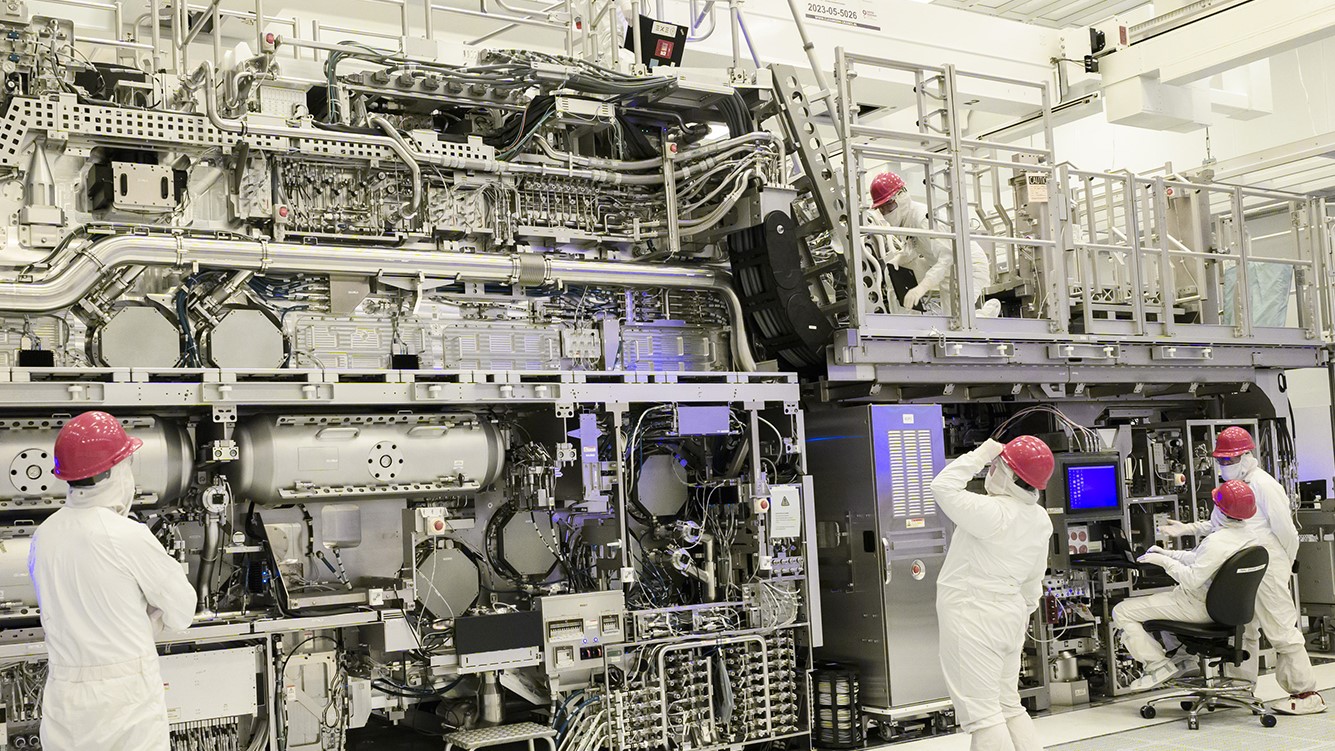
Intel and AMD have warned customers in China of potential CPU shipment delays, underscoring persistent trade and compliance friction in the semiconductor supply chain.
Even as global chip shortages ease, geopolitics continues to complicate supply. Intel and AMD have warned customers in China that some CPU shipments may face delays, according to Tech in Asia.
The cautions reflect how export controls, licensing requirements, and compliance reviews are increasingly shaping delivery timelines—independent of manufacturing capacity.
Why China remains a sensitive market
China is one of the world’s largest consumers of processors, powering data centers, enterprise systems, and consumer PCs. But it is also the focal point of tightening technology controls, particularly around advanced computing.
Even CPUs that fall below the most restrictive thresholds can face additional scrutiny, paperwork, or shipping delays as companies navigate evolving regulations.
For customers, that uncertainty complicates procurement planning and deployment schedules.
Operational impact for chipmakers
For Intel and AMD, warning customers early is a risk-management move. Delays can strain relationships, but surprise disruptions are worse—especially in enterprise and government-linked deployments.
The situation also highlights a structural challenge: chipmakers must maintain global sales while tailoring compliance processes market by market, adding friction to what was once a largely standardized supply chain.
Broader implications for the industry
The warnings underscore that semiconductor supply constraints are no longer just about fabs and capacity. Policy risk has become a core variable in chip availability.
For Chinese customers, it may accelerate efforts to diversify suppliers or invest in domestic alternatives. For global chipmakers, it reinforces the need to balance market access with regulatory alignment.
A new normal for chip logistics
Intel and AMD’s statements suggest that delivery volatility—especially for China-bound products—may persist. Even as production stabilizes, trade policy continues to inject unpredictability.
For the semiconductor industry, the message is clear: supply chains are recovering, but they are also becoming more politicized and segmented.
That reality is likely to shape how chips are sold, shipped, and supported for years to come.