
The Union Budget 2026, presented on February 1, 2026, is an important milestone for India’s clean energy journey. Over the last decade, India has focused heavily on adding renewable capacity. Solar parks, wind farms, and ambitious national targets have helped put us on the global clean energy map. This year’s budget signals something deeper. It shows a clear shift from just installing megawatts to building a strong, self reliant, and resilient energy ecosystem.
With a 24 percent increase in the Ministry of New and Renewable Energy allocation to ₹32,914.7 crore, the intent is unambiguous. India wants to own its renewable future. This means manufacturing at home, storing energy locally, stabilising the grid, and decarbonising industries that are traditionally difficult to clean up. As someone building an energy storage company in India, I see this budget as both reassuring and forward looking.
Below are my key takeaways from the Union Budget 2026 and what they mean for startups, manufacturers, investors, and consumers in the renewable energy space.
Solar Energy Continues to Be the Backbone
Solar energy remains the anchor of India’s energy transition. The government’s continued focus on decentralised solar shows that energy independence is no longer just a national goal but a household-level ambition.
The PM Surya Ghar Muft Bijli Yojana has received an allocation of ₹22,000 crore, up from ₹20,000 crore last year. The target of covering 40 lakh households by March 2026 and one crore households by 2027 is bold but achievable. More importantly, it signals confidence in rooftop solar as a mass adoption product, not a niche solution.
For families, this means lower electricity bills and greater control over power usage. For the ecosystem, it means a sustained demand pipeline for installers, inverter manufacturers, battery companies, and service providers. Rooftop solar works best when paired with reliable storage, and this is where the broader budget direction becomes very relevant.
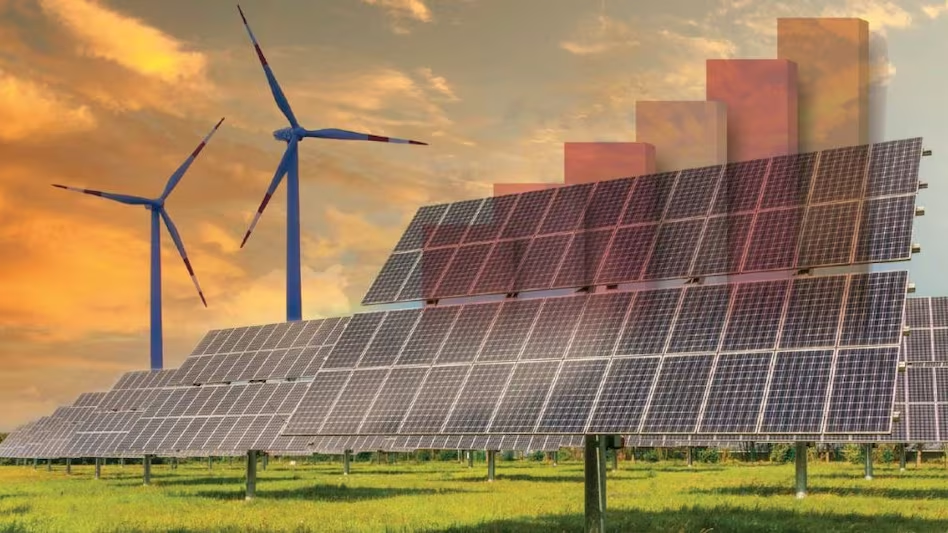
PM-KUSUM is another strong signal. With funding nearly doubled to ₹5,000 crore, solarisation of agricultural pumps is being taken seriously. This move can reduce the subsidy burden on DISCOMs while giving farmers predictable daytime power and even
an opportunity to earn by selling excess energy. Rural energy resilience is often overlooked, and this allocation helps bridge that gap.
On the manufacturing side, the reduction of Basic Customs Duty on Sodium Antimonate from 7.5 percent to nil may sound technical, but it matters. Solar glass is a critical input, and lowering input costs helps domestic manufacturers stay competitive. Over time, this can reduce the cost of solar installations across the board.
Energy Storage and Critical Minerals Take Centre Stage
One of the most encouraging aspects of the Union Budget 2026 is the clear recognition that renewables cannot scale without storage. Solar and wind are clean but intermittent. Storage is what converts clean power into reliable power.
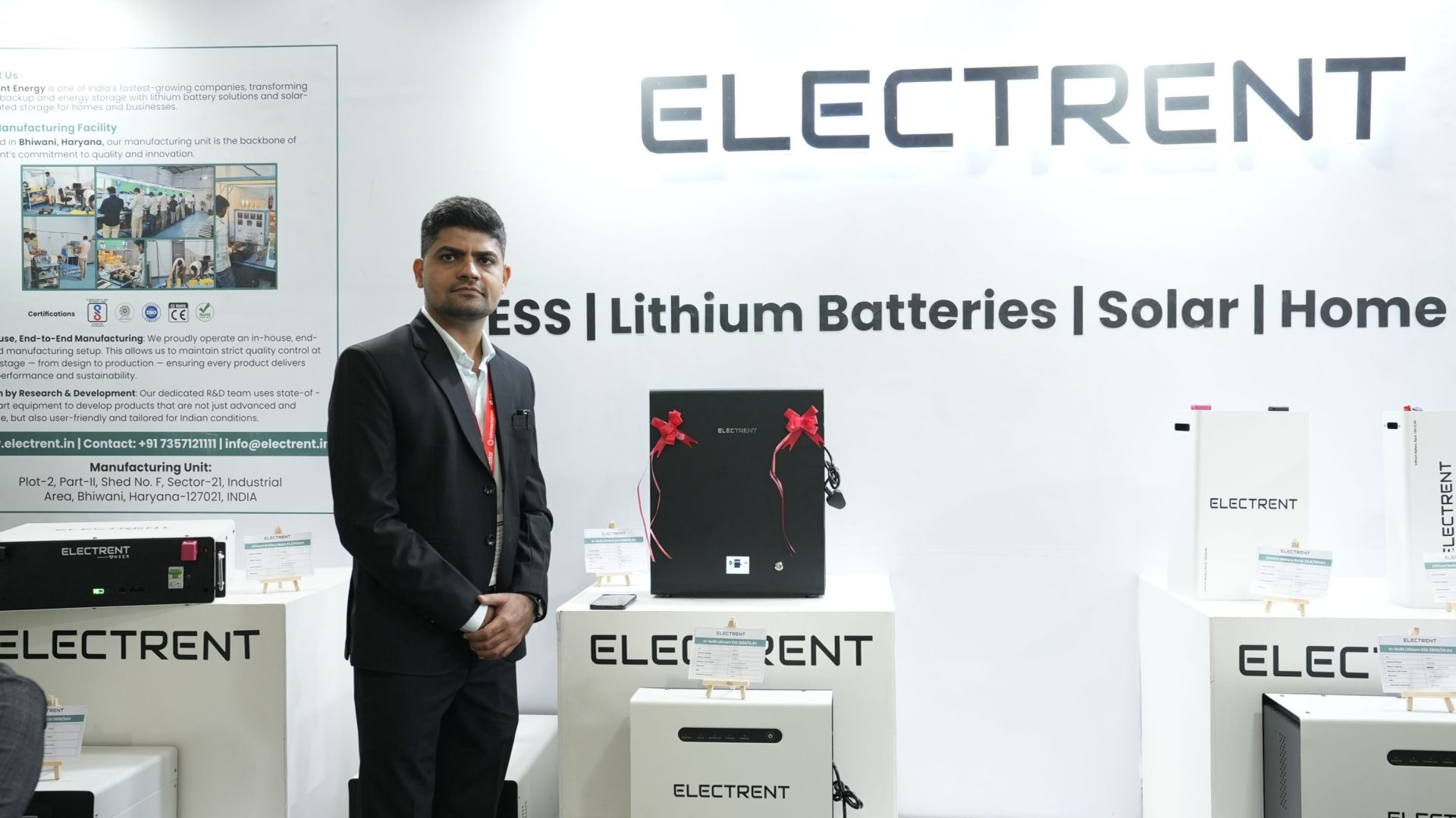
Extending Basic Customs Duty exemptions on capital goods used for lithium-ion cell manufacturing to include Battery Energy Storage Systems is a practical step. It lowers entry barriers for manufacturers and encourages investments in local battery production. For companies like ours at Electrent, this creates a more predictable policy environment and strengthens the case for building long-term manufacturing capacity in India.
The five-fold increase in Viability Gap Funding for battery storage projects to ₹1,000 crore is another strong signal. Storage projects often struggle in early stages due to high upfront costs and uncertain returns. VGF support can unlock private capital and help storage move from pilot projects to large-scale deployments.
Equally important is the focus on critical minerals. The establishment of dedicated Rare Earth Corridors in Odisha, Andhra Pradesh, Tamil Nadu, and Kerala shows strategic thinking. By supporting the full value chain from mining to manufacturing permanent magnets for EV motors and wind turbines, India is addressing a major vulnerability. In a world where supply chains are increasingly geopolitical, mineral sovereignty is energy security.
Focus on Decarbonising Hard-to-Abate Sectors
The Union Budget 2026 goes beyond power generation and looks at emissions where they are hardest to reduce. Steel, cement, and heavy industries are essential for growth but also major carbon emitters.
The proposed ₹20,000 crore outlay over five years for a Carbon Capture, Utilization, and Storage mission is a landmark move. CCUS is complex and capital-intensive, but it is necessary if India wants to balance industrial growth with climate commitments. This
allocation also opens doors for deep-tech startups, research institutions, and global collaborations.
The National Green Hydrogen Mission has seen its allocation doubled to ₹600 crore on a renewable energy basis. While this may still seem modest, the focus on developing specialised hydrogen hubs is important. Concentrated ecosystems help bring down costs faster and create learning effects that benefit the entire sector.
Bio-energy also received a practical boost with full excise duty exemption on the biogas component of biogas-blended CNG. This supports cleaner transport fuels and improves the economics of waste-to-energy projects, especially in urban and semi urban areas.
Grid Reforms and Smarter Financing
As renewable capacity grows, the grid becomes the silent hero or the weakest link. The budget acknowledges this reality.
The launch of an Infrastructure Risk Guarantee Fund is aimed at improving private investor confidence in large green projects. Risk mitigation is often what determines whether capital flows or stays on the sidelines. This move can help unlock funding for large-scale solar, wind, and storage projects.
Allowing states an additional 0.5 percent of GSDP borrowing, linked strictly to power distribution reforms, is a smart nudge. DISCOM health remains one of the biggest challenges in India’s power sector. Tying financial flexibility to measurable reforms encourages accountability while offering support.
The extension of customs duty exemptions on nuclear equipment until 2035 also deserves mention. While nuclear is not renewable, it is a low-carbon baseload source. Supporting the long-term goal of 100 GW nuclear capacity by 2047 adds stability to a grid increasingly dominated by renewables.
What This Budget Means for Startups and Founders
For founders and operators in the clean energy space, the Union Budget 2026 sends a clear message. The government is thinking long-term. It wants domestic manufacturing, resilient supply chains, and technologies that solve real-world problems, not just capacity targets.
This is a good time to build. It is also a time to build responsibly, with quality, safety, and scalability in mind. Policy support is strongest when businesses align with national priorities, and this budget lays those priorities out clearly.
At Electrent Energy, we believe that the future of clean power lies in combining generation with intelligent storage. This budget strengthens that belief. It reassures us that India is serious about moving from clean energy ambition to clean energy reliability.
The Union Budget 2026 does not promise overnight transformation. What it does offer is clarity of direction. Solar remains the foundation. Storage is the stabiliser. Manufacturing is the enabler. And decarbonisation is no longer optional.
If implemented well, these measures can help India build an energy system that is clean, affordable, resilient, and truly self-reliant. For everyone working in this sector, that is a future worth committing to.


