
Despite strong performance from Apple silicon, the MacBook Pro’s design is starting to feel stagnant as user expectations and workloads evolve.
The MacBook Pro is still one of the best laptops on the market. That is precisely why its next redesign feels overdue.
Since the transition to Apple silicon, MacBook Pro has enjoyed a long run of performance wins. Battery life improved. Thermals stabilized. Benchmarks impressed.
But hardware leadership is not static. And increasingly, the MacBook Pro feels optimized for a moment that is already passing.
Performance is no longer the bottleneck
For many professional users—developers, designers, data scientists—raw CPU and GPU power are no longer the primary constraint. The M-series chips deliver more than enough performance for most workflows.
What is lagging is everything around the chip: sustained thermal performance under mixed AI workloads, external display flexibility, input ergonomics, and long-session comfort.
As software becomes more agentic and always-on, laptops are being asked to behave more like workstations. The MacBook Pro’s current design shows strain under that expectation.
A design frozen in success
Apple’s last major MacBook Pro redesign fixed real problems: poor keyboards, limited ports, thermal throttling. It was widely praised—and rightly so.
But that success has also frozen the form factor in place. Incremental updates have piled onto the same chassis, even as usage patterns change.
AI-heavy development, multi-model testing, and long-running local workloads are exposing limits in cooling, memory scaling, and sustained performance that benchmarks alone do not capture.
Developers are feeling the friction
Nowhere is this more evident than among developers. Xcode builds, simulators, containers, and AI-assisted tooling increasingly run concurrently.
The result is not dramatic slowdown—but subtle friction. Fans spin up more often. Systems run warmer. Battery curves flatten faster under real-world loads.
None of this breaks the MacBook Pro experience. But it chips away at the sense that this machine is designed for the future, not just the present.
What a redesign needs to address
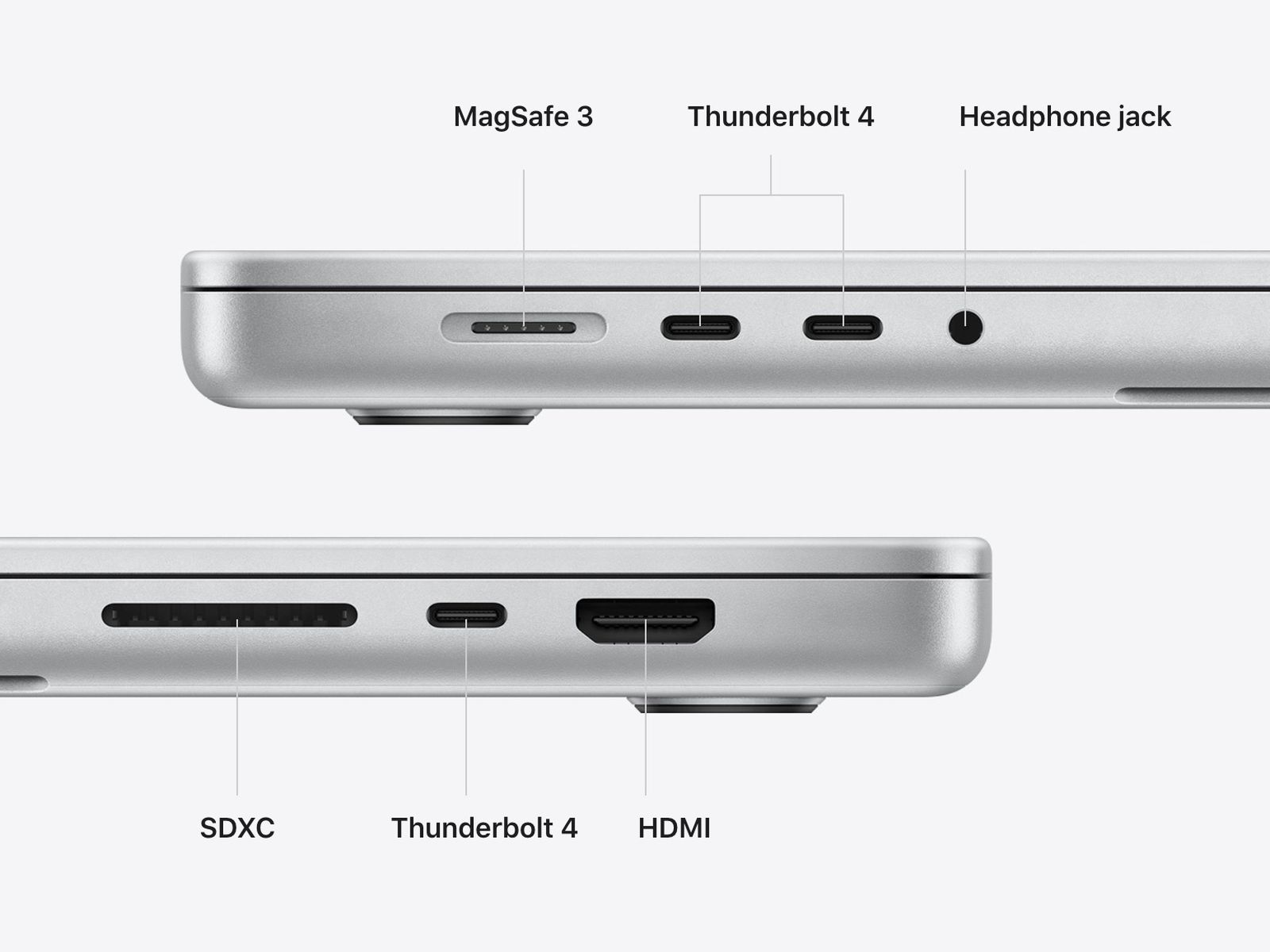
A meaningful MacBook Pro redesign would likely focus less on aesthetics and more on ergonomics and endurance: better sustained cooling, smarter thermal distribution, improved display efficiency, and more flexibility for external workflows.
It may also need to acknowledge that professional laptops are no longer just mobile devices—they are primary compute nodes in an AI-augmented workflow.
That requires different trade-offs than those optimized purely for thinness or visual minimalism.
Waiting for the next signal
Apple rarely redesigns its flagship hardware without a clear internal reason. When it does, the change tends to set direction for years.
The growing mismatch between how the MacBook Pro is used and how it is shaped suggests that moment is approaching.
Apple’s silicon remains ahead of the curve. Now the rest of the machine needs to catch up.
For a laptop still widely considered the gold standard, that redesign cannot come soon enough.



