
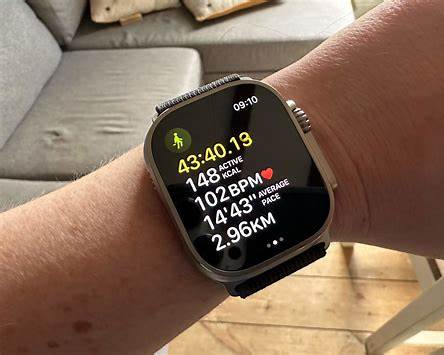
Apple has scaled back plans for an AI-based health coaching service, reflecting the technical and regulatory challenges of applying generative AI to personal health guidance.
Apple has long positioned health as one of its most important growth areas. Artificial intelligence was expected to play a bigger role in that story.
Instead, Apple is now pulling back on plans for an AI-powered health coaching service, according to people familiar with the project. The move suggests a recalibration rather than abandonment—and highlights how difficult it is to merge generative AI with regulated, high-trust consumer health products.
Why AI health coaching is harder than it looks
At a conceptual level, an AI health coach sounds like a natural extension of Apple’s ecosystem: personalized guidance based on data from wearables, activity tracking, and health records.
In practice, the risks are substantial. Health advice sits at the intersection of medicine, liability, and user trust. Even minor inaccuracies can have outsized consequences, particularly when recommendations feel authoritative or personalized.
Generative AI systems, which can still hallucinate or oversimplify, introduce uncertainty that the company has historically worked hard to avoid in health-related features.
A contrast with Apple’s usual pace
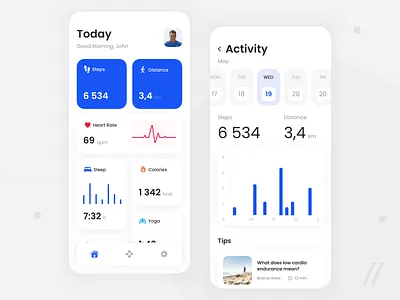
The company typically enters new categories cautiously, prioritizing reliability over speed. That tendency is especially pronounced in health, where the company has built credibility through incremental features such as heart rhythm notifications and fall detection.
Scaling back the AI coach suggests internal concerns that the technology—or regulatory environment—is not yet ready for Apple’s standards. Unlike productivity tools or creative apps, health products offer little margin for error.
Strategic restraint, not retreat
The pullback does not mean Apple is stepping away from AI in health entirely. Instead, it points to a narrower focus: using AI behind the scenes to support analytics, insights, and data interpretation rather than front-facing coaching.
That approach aligns with Apple’s broader AI strategy, which emphasizes assistive intelligence embedded into products rather than standalone AI personas.
A signal for the digital health industry
The company’s hesitation sends a message to startups and competitors racing to deploy AI health advisors. If one of the world’s most cautious and well-resourced companies is slowing down, it underscores how unresolved the space remains.
For now, Apple appears content to let others experiment while it waits for clearer technical and regulatory footing.
In health, as elsewhere, Apple seems willing to be late—so long as it is confident when it arrives.



