

Waymo has confirmed it uses response agents based in the Philippines, underscoring how human oversight still plays a role in autonomous vehicle operations.
Autonomous vehicles are marketed as self-driving, but they are not self-sufficient.
This week, Waymo confirmed that it employs response agents in the Philippines to support its operations. These agents assist with handling unusual situations, edge cases, and customer interactions—tasks that current AI systems still struggle to manage reliably on their own.
The disclosure adds clarity to how autonomy works in practice, rather than in theory.
What response agents actually do
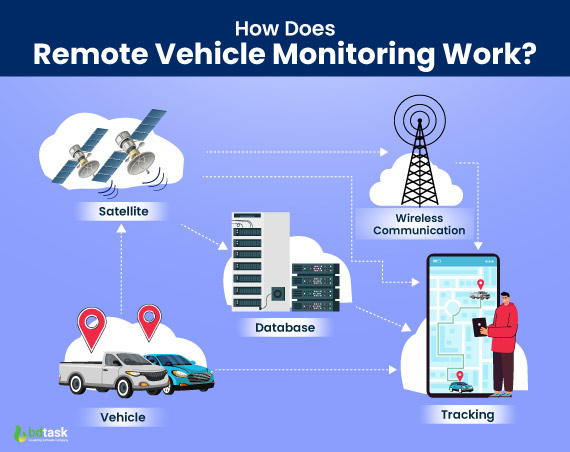
Response agents are not remote drivers. Instead, they monitor vehicle behavior, review flagged incidents, and help resolve situations where automated systems need human judgment.
That can include responding to rider questions, escalating safety concerns, or coordinating with local teams when a vehicle encounters unexpected conditions.
Waymo says the agents do not control the vehicles directly, but their involvement highlights how autonomy today is layered with human support.
Why the Philippines
Locating response teams in the Philippines reflects a broader trend in global tech operations. The country has a large, English-speaking workforce experienced in technical support and 24/7 operations.
For companies like Waymo, distributed support teams provide scalability and cost efficiency while maintaining around-the-clock coverage.
The setup mirrors how content moderation, trust-and-safety, and AI training operations are often organized globally.
Autonomy still needs people
Waymo is widely regarded as one of the most advanced players in self-driving technology, with robotaxi services operating in parts of the US.
Yet even at that level of maturity, human involvement remains essential. Rare scenarios, ambiguous social interactions, and customer service still fall outside the comfort zone of fully automated systems.
That reality challenges simplistic narratives about “driverless” technology eliminating human roles altogether.
Transparency and trust
As autonomous vehicles expand, public trust depends not just on performance metrics, but on openness about how systems are supported.
By acknowledging its use of overseas response agents, Waymo provides a clearer picture of the operational backbone behind autonomy.
The takeaway is not that self-driving has failed—but that autonomy, at least for now, is a collaboration between machines and people.



