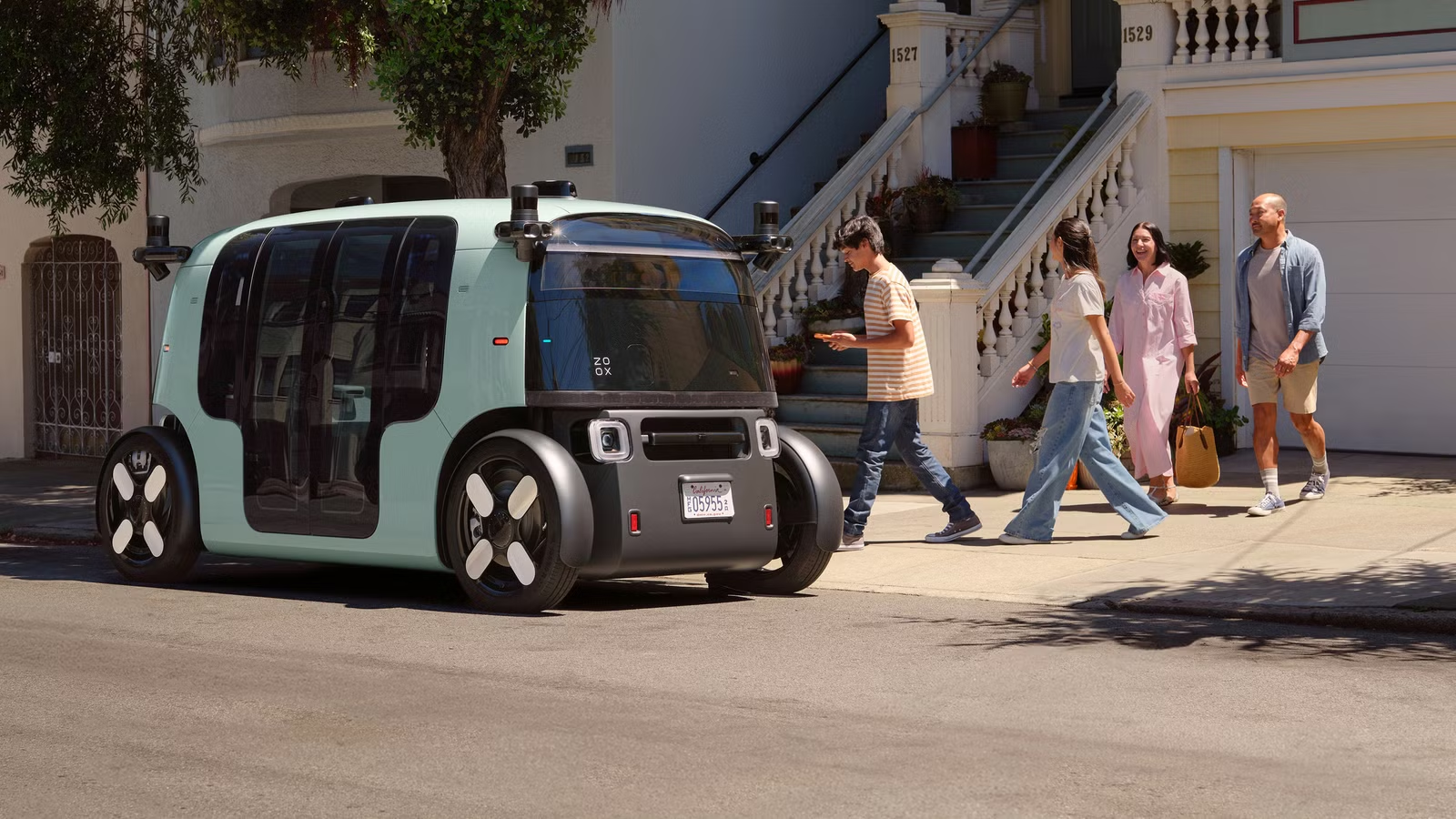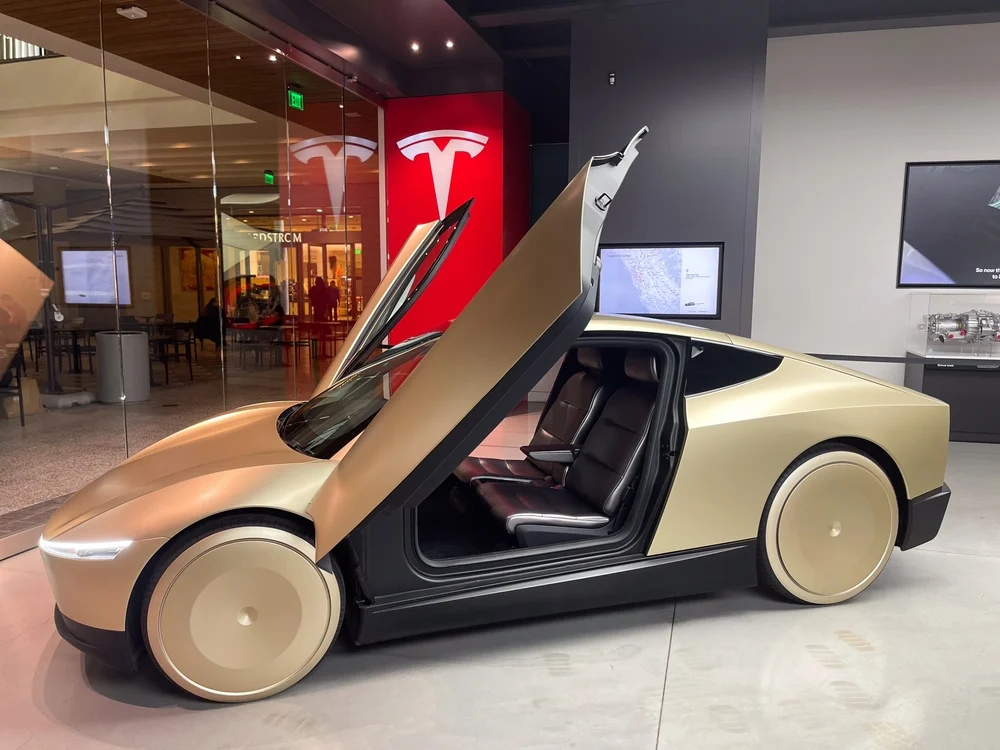
Even after billions in investment, robotaxi companies still face open questions about whether current funding levels are enough to reach profitability.
Few areas of technology have absorbed as much capital—and patience—as robotaxis.
Over the past decade, autonomous driving startups and divisions have raised or spent sums that would once have seemed unthinkable. Yet even with figures approaching $16 billion for some players, profitability remains elusive.
The question investors are increasingly asking is not whether autonomy works, but whether it can ever work as a business.
Where the money actually goes
Building a robotaxi operation is not just a software challenge. It requires vehicles, sensors, mapping, data infrastructure, safety teams, regulatory engagement, and years of testing across multiple cities.
Unlike consumer apps, costs do not fall quickly with scale. Vehicles wear out. Hardware needs replacement. Human oversight remains embedded in operations.
That means capital is consumed steadily, not just upfront.
Revenue grows slower than expectations

Even as robotaxi services expand geographically, utilization remains limited. Coverage is often restricted to certain neighborhoods, times, or weather conditions.
Pricing, meanwhile, is constrained by competition with human-driven ride-hailing, which benefits from flexible labor rather than fixed capital.
As a result, revenue growth has lagged early projections—stretching the path to breakeven.
Why $16 billion may not be enough
Autonomous driving development has consistently taken longer and cost more than anticipated. Each incremental improvement requires disproportionate effort to handle rare edge cases and regulatory demands.
That reality suggests that initial funding rounds—no matter how large—were based on optimistic timelines. Extending runway often means raising more capital or narrowing ambitions.
For investors, that creates a dilemma: double down or accept limits.
The profitability pivot
Some companies are quietly reframing their goals, emphasizing logistics, licensing, or partnerships rather than fully autonomous ride-hailing at scale.
Those pivots acknowledge an uncomfortable truth: the first profitable autonomous businesses may not look like the robotaxi visions that attracted early funding.
A long game with shrinking tolerance
Robotaxis are no longer judged on promise alone. Markets are asking for unit economics, not demos.
$16 billion is enough to build remarkable technology. Whether it is enough to build a durable business remains uncertain.
What is clear is that autonomy’s next chapter will be defined less by breakthroughs—and more by balance sheets.