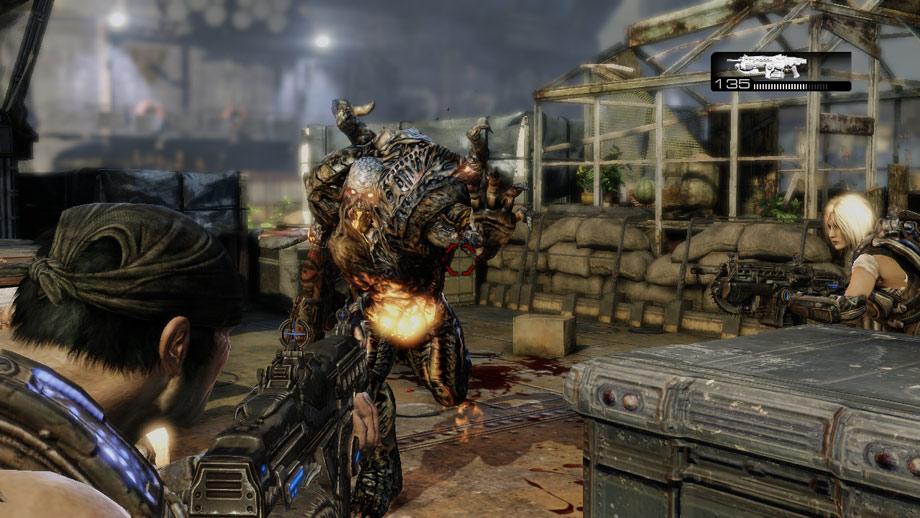
Unreal Engine 3 reshaped the visual language of modern games, but its strengths also revealed the limits of mid-2000s real-time graphics.
Few pieces of software have left a more visible imprint on video games than Unreal Engine 3.
Released during the transition to HD consoles, Unreal Engine 3 became the backbone of hundreds of games across the Xbox 360, PlayStation 3, and PC. It did more than power games—it standardized how they looked.
That influence was both its greatest strength and its biggest limitation.
A shared visual language
Unreal Engine 3 arrived at a moment when developers were grappling with high-definition displays, complex lighting, and rising production costs.
Its solution was a flexible, powerful rendering pipeline built around dynamic lighting, normal maps, and post-processing effects. The result was a look defined by glossy surfaces, dramatic shadows, and cinematic contrast.
For players, it felt like a leap forward. For developers, it was a lifesaver.
The rise of the “UE3 look”
As adoption spread, a recognizable aesthetic emerged. Brown-and-grey palettes, heavy bloom, and aggressive lighting became hallmarks of the era.
This was not purely an artistic choice—it reflected technical trade-offs. Lighting was expensive. Memory was limited. Unreal Engine 3 optimized for what hardware could handle reliably.
The engine made ambitious visuals achievable, but often at the cost of visual diversity.
Where the limits showed
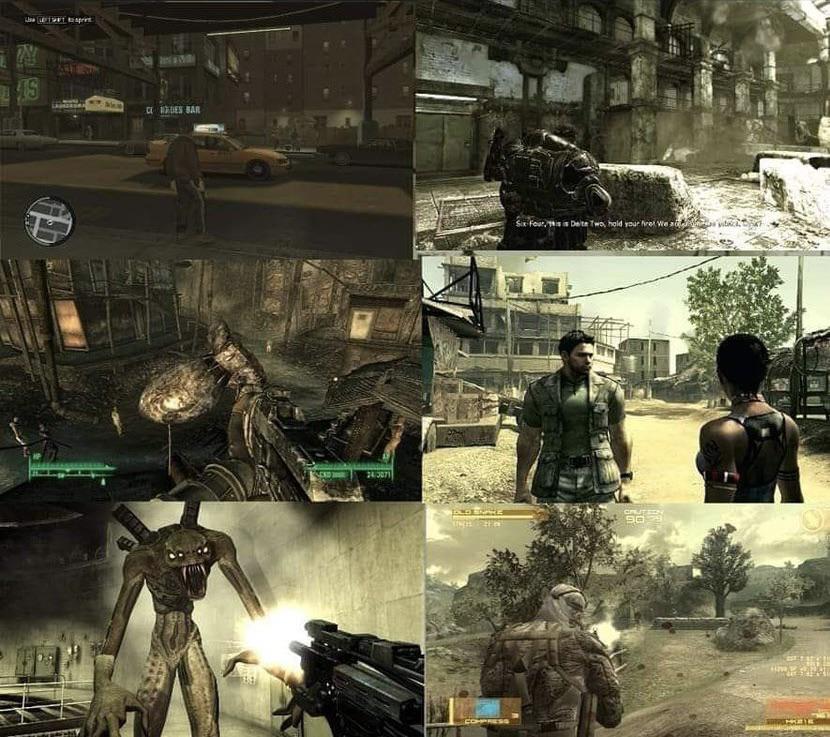
As games grew larger and more ambitious, Unreal Engine 3’s constraints became harder to hide. Streaming large worlds, handling dense foliage, or maintaining visual clarity at scale pushed the engine to its limits.
Developers could work around those issues—but doing so required time, expertise, and compromise.
By the early 2010s, it was clear that the next generation would need different assumptions.
A legacy that outlived the engine
Despite its shortcomings, Unreal Engine 3 laid the groundwork for what followed. Tools, workflows, and expectations shaped by UE3 carried directly into later engines.
Modern real-time rendering—physically based materials, global illumination, scalable pipelines—exists in dialogue with the lessons UE3 taught, both positive and negative.
Why it still matters
Unreal Engine 3 represents a turning point: the moment when middleware became central to how games were made, not just how they ran.
It democratized high-end visuals while quietly defining their boundaries.
That tension—between empowerment and constraint—is part of its legacy. And it explains why Unreal Engine 3 is remembered not just for how games looked, but for how the industry learned to build them.