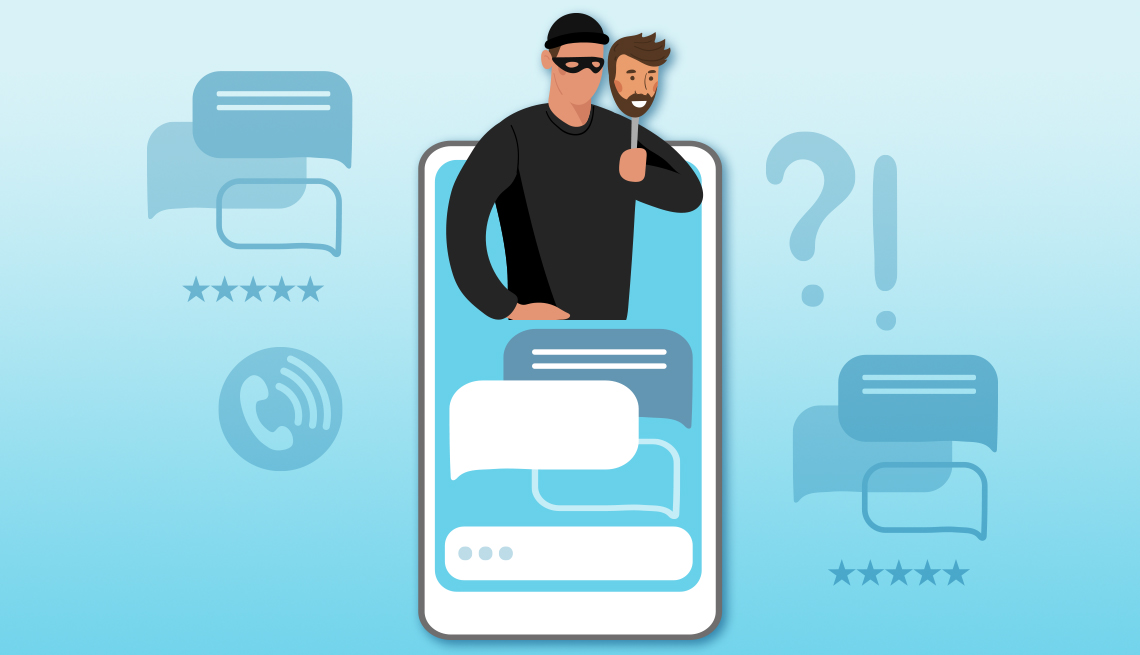
Security researchers have warned of an Android bug that allows malicious apps to masquerade as trusted software, potentially exposing user data.
Android’s openness has long been both a strength and a liability. A newly reported vulnerability underscores why.
Security researchers have flagged a bug that can allow malicious Android apps to pose as legitimate, well-known software, tricking users into granting access to sensitive data. The issue does not require sophisticated hacking—just convincing imitation.
It is a reminder that many mobile security risks still rely on human trust as much as technical exploits.
How impersonation works
The flaw allows bad actors to create apps that closely resemble popular, trusted applications in name and appearance. Once installed, these apps can request permissions that appear routine, but enable access to private information.
While official app stores have screening processes, impersonation remains one of the hardest threats to eliminate entirely—especially when attackers rapidly iterate to evade detection.
The risk is amplified for users who install apps quickly without scrutinising permissions.
Why this keeps happening

Android’s scale is part of the problem. With millions of apps and frequent updates, automated checks can miss edge cases.
Even when malicious apps are removed, they may already have reached thousands of devices. Security is reactive as much as preventative.
This is not a single catastrophic flaw, but a pattern: attackers exploiting trust rather than breaking encryption.
What users can do now
Users are advised to verify app publishers, limit permissions, and keep devices updated. Installing apps only from official stores reduces—but does not eliminate—risk.
Google regularly patches vulnerabilities, but user awareness remains a critical line of defence.
In practice, the most effective protection is skepticism toward unfamiliar apps claiming to replicate popular services.
A broader mobile security lesson
The episode reinforces a broader truth about smartphone security: technical safeguards can only go so far.
As mobile devices consolidate banking, communication, and identity, impersonation attacks become more attractive. The attack surface is not just code—it is behaviour.
Android remains secure enough for most users, but incidents like this show why constant vigilance is still required.
Convenience has a cost. On mobile platforms, that cost is often paid in attention.