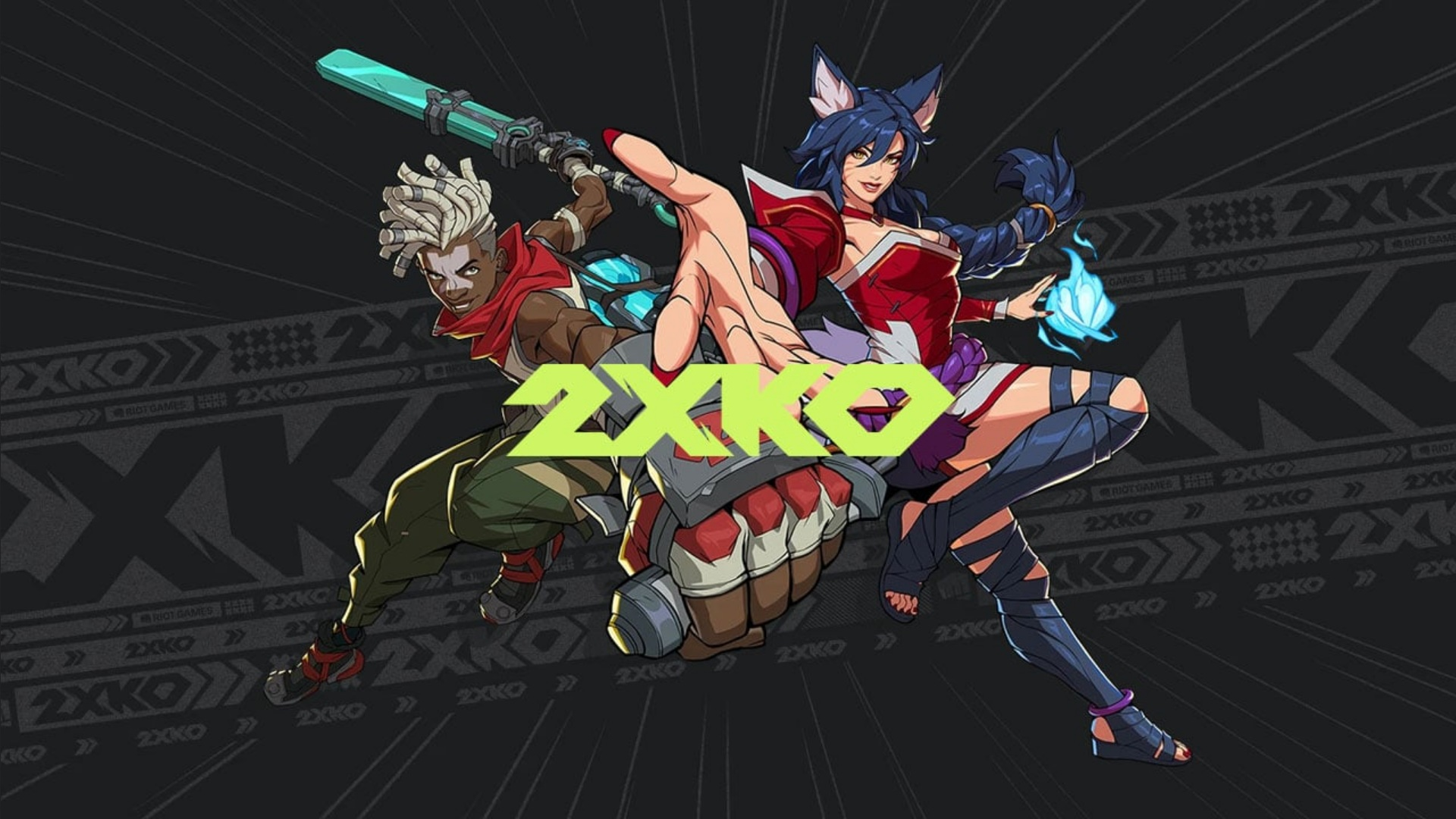
Riot Games has laid off around half of the development team behind 2XKO, underscoring financial and strategic pressures facing modern fighting game projects.
The fighting game genre has never been more visible—or more fragile.
Riot Games is laying off roughly half of the development team working on 2XKO, according to people familiar with the decision. The move follows internal reassessments of scope, timelines, and long-term sustainability, even as Riot continues to publicly position the title as a strategic entry into competitive fighting games.
The layoffs reflect a broader recalibration underway across the games industry.
Fighting games face a cost paradox
Modern fighting games are expected to deliver esports-ready balance, cinematic presentation, constant post-launch updates, and live-service infrastructure. Yet their addressable audience remains smaller than that of shooters or open-world RPGs.
This mismatch creates pressure: high development and support costs, but limited upside unless a game becomes a genre-defining hit.
For Riot Games, whose success with League of Legends set expectations for long-term live services, the economics of 2XKO appear to have forced difficult trade-offs.
A strategic pullback, not a cancellation
Riot has not canceled 2XKO, but the layoffs suggest a narrowing of ambition. Cutting staff mid-development often means tighter feature scope, longer timelines, or both.
The company has increasingly emphasized efficiency after years of aggressive expansion, mirroring moves by other major publishers facing slower growth and rising production budgets.
In that environment, even well-received projects are not immune.
Industry-wide labor impact
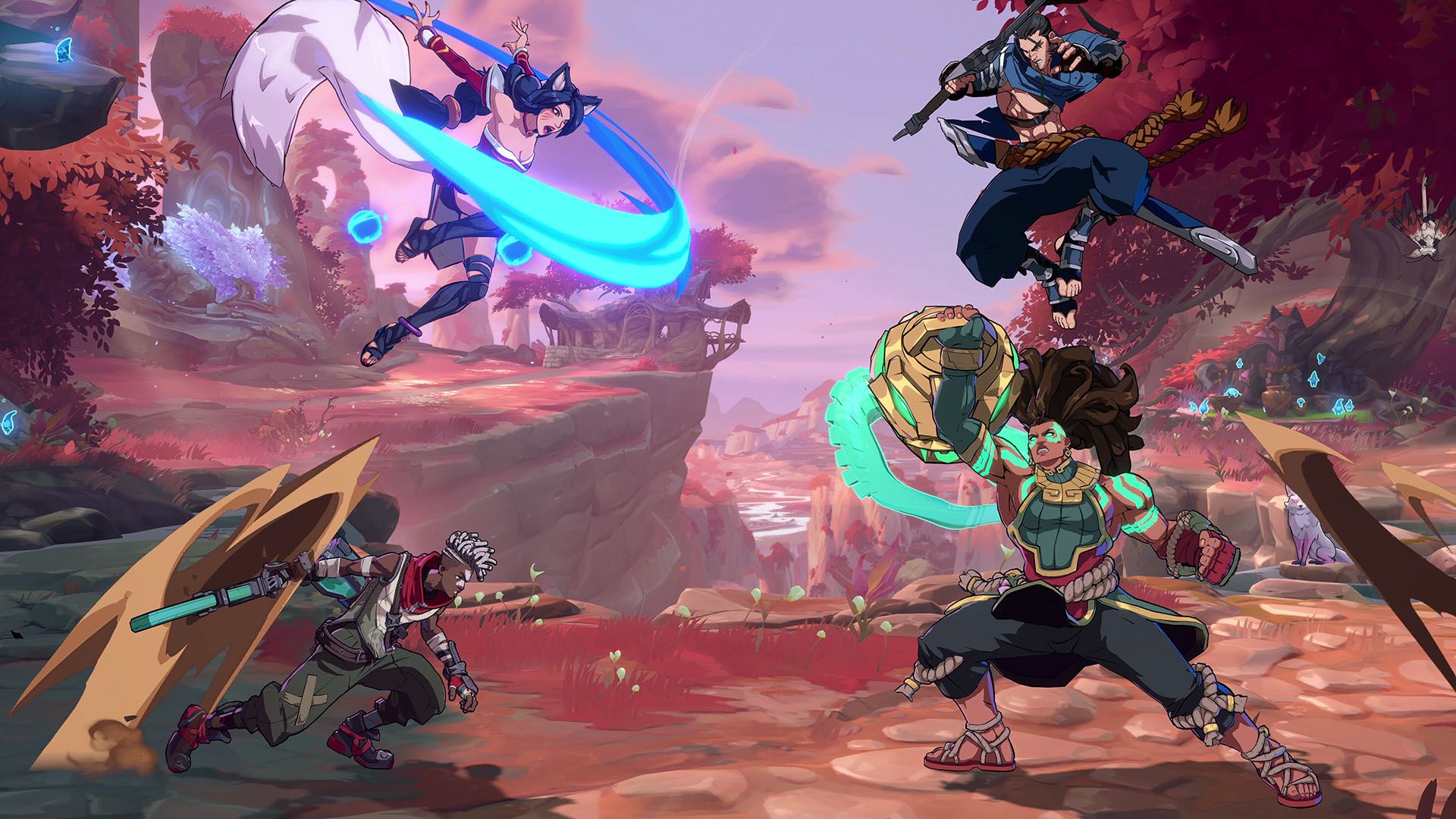
The layoffs add to a growing wave of job cuts across game studios globally, affecting developers, artists, designers, and QA staff.
Fighting games are particularly vulnerable because they require ongoing balancing and content updates, locking studios into long support cycles with uncertain returns.
For workers, that means volatility even on high-profile projects backed by major publishers.
What this signals for competitive gaming
Riot Games‘ entry into fighting games was once framed as a potential reshaping of the genre, leveraging its esports infrastructure and global audience.
The staffing cuts do not eliminate that ambition—but they temper it.
The episode suggests that even companies with deep pockets are reassessing how much risk they are willing to absorb for niche but passionate communities.
A genre at a crossroads
Fighting games remain culturally influential, but their commercial model is under strain.
Riot Games‘ decision underscores a reality facing the industry: creative ambition must increasingly bend to financial discipline.
For 2XKO, the question is no longer whether Riot can build a competitive fighting game—but whether it can do so within today’s tighter margins.