
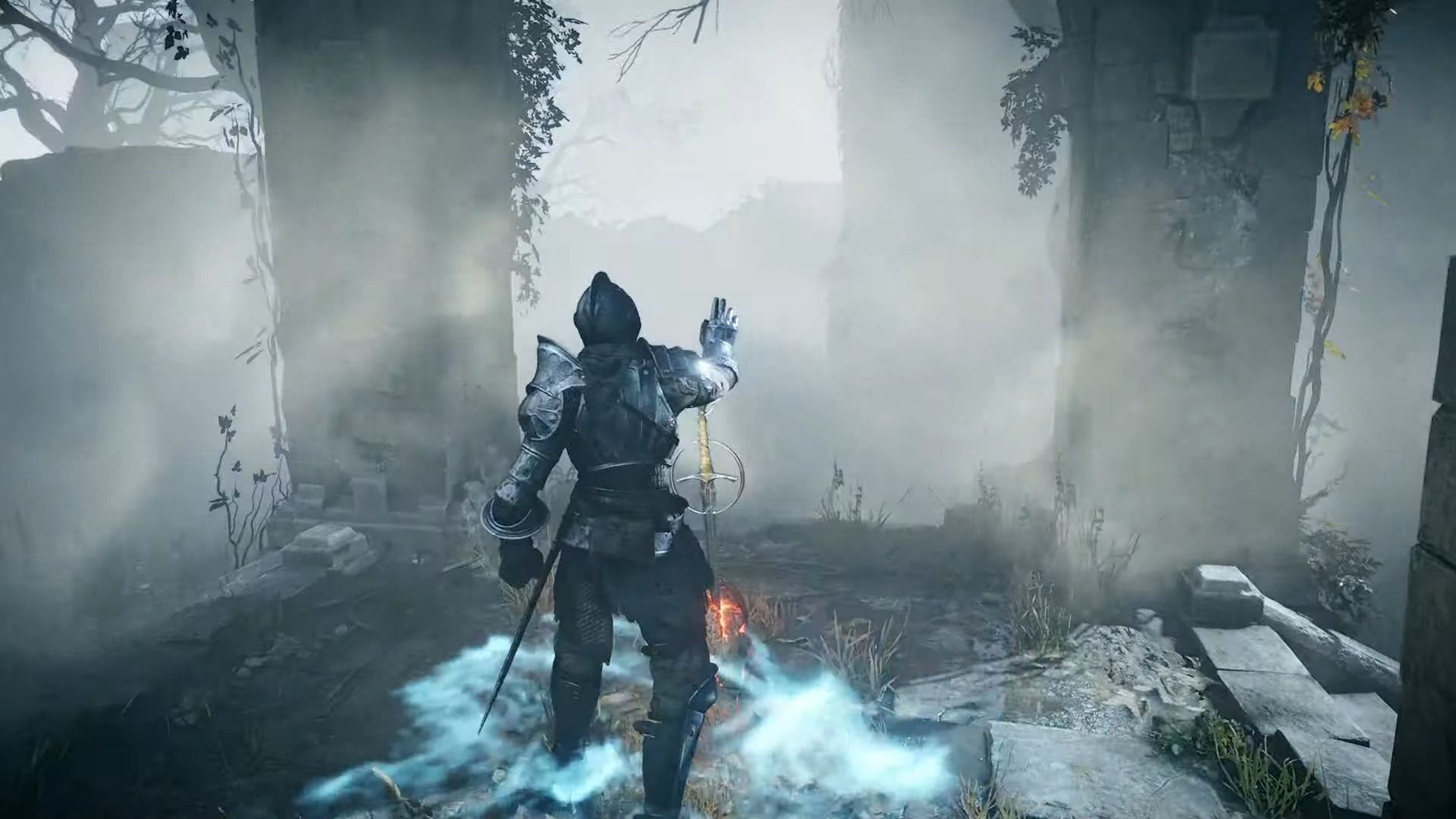
A newly released PS5 remake of a beloved PS3 action game has earned sharply divided reviews, underscoring how difficult it is to modernize cult classics without alienating fans.
Remaking a cult classic is often harder than building something new.
A recently released PS5 remake of a well-regarded PS3-era action title has drawn polarised reactions from critics and players alike. Some praise the technical overhaul and smoother performance. Others argue the remake strips away the very roughness that defined the original’s identity
The result is a familiar remake dilemma: fidelity versus feeling.
When polish changes the experience
Modern remakes often aim to smooth edges—improving controls, visuals, and pacing to meet contemporary expectations. But in action games from the PS3 era, those edges were often part of the appeal.
Combat systems designed around weight, friction, or deliberate awkwardness can feel fundamentally different when optimized for higher frame rates and refined animations.
For some players, the remake feels more accessible. For others, it feels less authentic.
Critics are split for the same reason
Reviews have diverged along philosophical lines rather than technical ones. Few dispute that the remake runs better or looks sharper. The debate centers on whether improvement equates to preservation.
Critics who value modernization tend to see the remake as a respectful update. Those focused on historical texture see it as revisionist.
That split reflects broader disagreement over what remakes are supposed to do.
The commercial logic behind remakes of PS3 games

From a publisher’s perspective, PS3-era remakes make sense. Many original titles are locked to aging hardware or poorly supported emulation.
Remakes offer a way to resell known IP while introducing it to younger audiences—often at a fraction of the risk of a new franchise.
But the financial logic does not eliminate creative risk.
A lesson for future remasters
The response suggests that not all classics benefit equally from modernization. Games built around mood, friction, or idiosyncratic mechanics may lose something when streamlined.
Studios increasingly face a choice: recreate the experience players remember, or reinterpret it for current tastes.
Trying to do both often leads to division.
Nostalgia is not a design document
The divisive reception does not mean the remake failed—but it does highlight a limit.
Nostalgia creates expectations that are difficult to meet simultaneously. What one player remembers as “flawed” another remembers as “distinctive.”
This PS5 remake is now part of that conversation—a reminder that reverence alone does not guarantee consensus.



