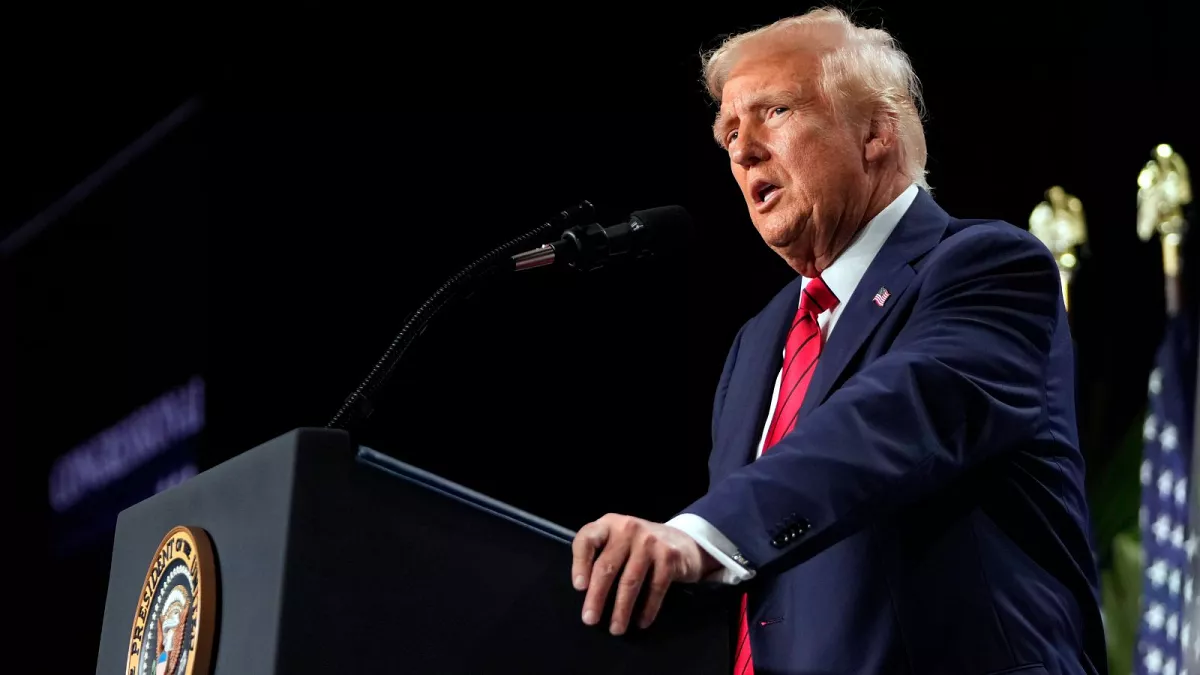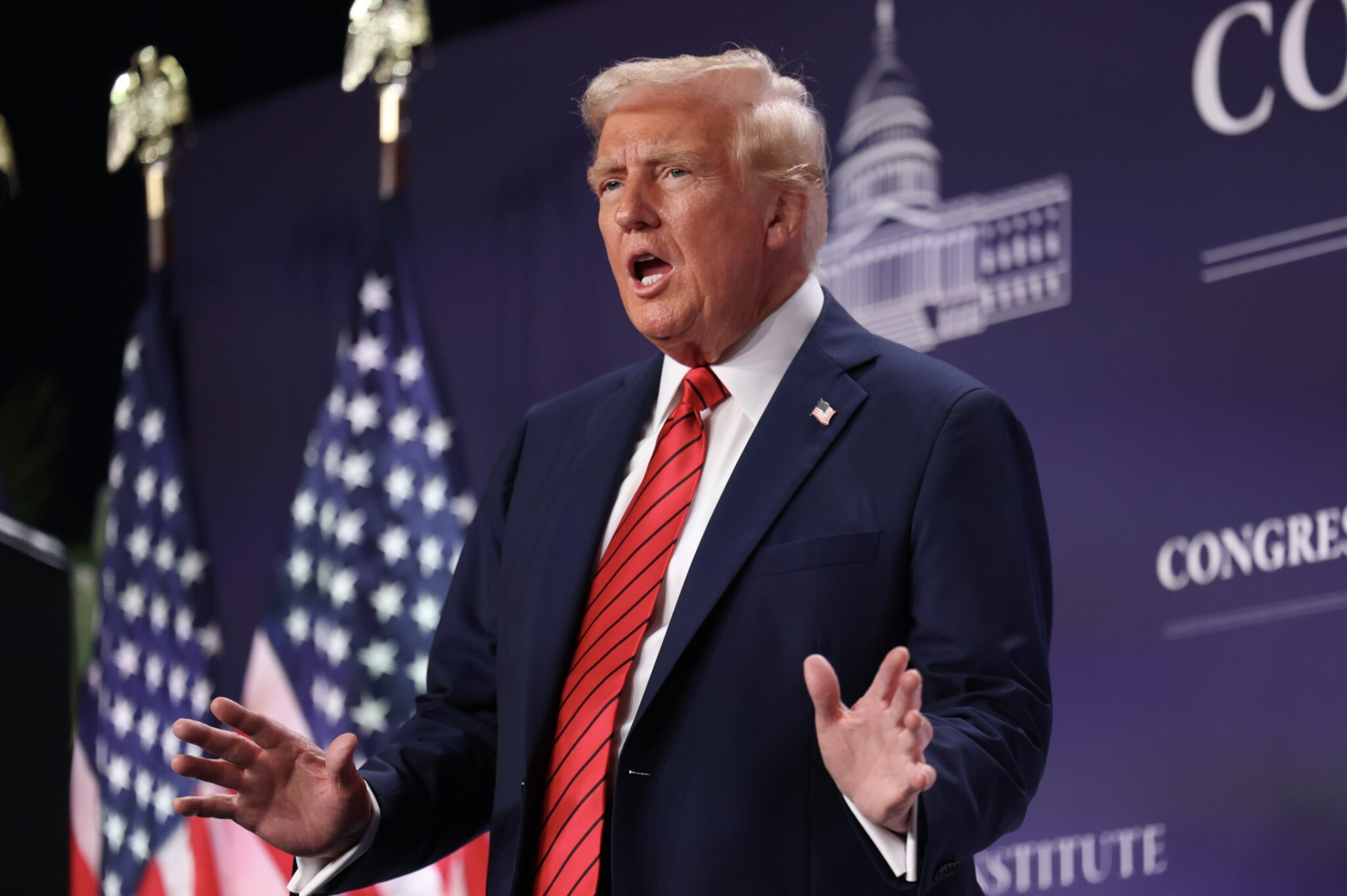
The US Environmental Protection Agency under President Donald Trump is reportedly pursuing the revocation of a major air pollution rule, potentially reshaping federal environmental enforcement.
Environmental regulation is again becoming a central political battleground.
The Environmental Protection Agency, under President Donald Trump, is reportedly moving to revoke a landmark air pollution rule that has shaped federal emissions standards in recent years.
While details of the proposed rollback are still emerging, the move would represent a significant shift in US environmental policy.
What the rule governs
The targeted regulation reportedly governs limits on certain industrial emissions linked to air quality and public health outcomes.
Supporters of the rule argue it has helped reduce harmful pollutants and improve compliance among major emitters.
Critics have contended that the rule imposes excessive compliance costs on industry and constrains economic growth.
Regulatory reversals and political cycles by Trump
Environmental rules often swing with political administrations. The Trump administration previously rolled back several climate and pollution measures during earlier terms.
If enacted, the latest revocation could trigger legal challenges from environmental groups and states, as well as countermeasures from jurisdictions maintaining stricter standards.
Regulatory uncertainty can complicate long-term investment planning for energy and manufacturing firms.
Industry and market implications
For businesses, relaxed federal standards may reduce short-term compliance costs. However, fragmented state-level enforcement could increase complexity.
Investors increasingly factor environmental, social, and governance (ESG) metrics into risk assessments, meaning regulatory rollbacks do not necessarily eliminate pressure.
Corporate climate commitments may continue independently of federal mandates.
Public health considerations
Air pollution regulations are closely tied to health outcomes, including respiratory conditions and environmental justice concerns.
Public health experts often argue that weakening standards disproportionately affects vulnerable communities.
The policy debate is therefore not purely economic—it intersects with healthcare and social equity.
What comes next
Any formal revocation process is likely to face administrative procedures, public comment periods, and potential litigation.
The reported move underscores a broader reality: environmental policy remains deeply polarized, with durable rules difficult to establish across political cycles.
For now, the EPA’s direction signals a renewed emphasis on deregulation—one that could reshape federal environmental oversight in the years ahead.