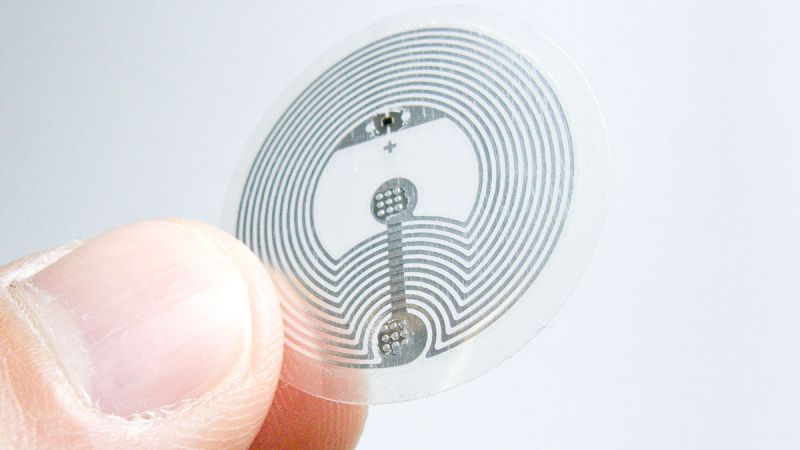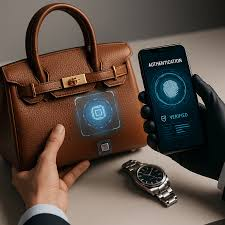
A startup founded by a former Tesla product manager aims to embed secure chips into luxury products, offering verifiable authentication to combat counterfeiting.
Counterfeiting is a multi-billion-dollar problem—and luxury brands have struggled to keep ahead of increasingly sophisticated fakes.
A new startup founded by a former product manager at Tesla is attempting to shift the battle from visible markers to embedded hardware. The company is developing secure microchips designed to be integrated directly into luxury goods, creating a digital authentication layer that is difficult to replicate.
The ambition is to make physical products verifiable in the same way software is.
From serial numbers to secure silicon
Traditional anti-counterfeit strategies rely on serial numbers, holograms, QR codes, or blockchain-linked certificates. These methods can help, but they are often copied, intercepted, or detached from the original product.
The new approach embeds a tamper-resistant chip directly into the item—whether a handbag, watch, or sneaker—creating a cryptographic identity tied to the product itself.
Authentication can then be verified via a secure digital handshake.
Luxury’s growing verification problem
As resale platforms and secondary markets expand, authentication has become a core trust issue. Buyers want proof that high-value goods are genuine, particularly in online transactions.
Luxury brands face mounting reputational risk when counterfeits circulate widely, even if they are not directly responsible.
Embedding secure hardware at the point of manufacture could shift authentication upstream rather than relying on downstream verification.
Hardware as brand infrastructure

For brands, adding chips introduces cost and supply-chain complexity. But it also creates long-term data opportunities—tracking provenance, ownership changes, and repair histories.
The model echoes trends in automotive and consumer electronics, where hardware identity underpins services and warranties.
If adopted at scale, it could redefine what “ownership” means for luxury goods.
Adoption hurdles remain
Convincing heritage brands to embed third-party hardware into high-end products is not trivial. Design integrity, weight, cost, and privacy considerations all factor into decision-making.
Additionally, consumers must perceive value in scanning and verifying items regularly.
The startup’s challenge lies as much in market education as in engineering.
A broader anti-counterfeit shift
Counterfeit goods account for a significant share of global trade, and enforcement alone has struggled to stem the tide.
Embedding secure silicon represents a shift from detection to prevention—making replication structurally harder.
Whether luxury brands embrace the model will determine whether authentication becomes invisible infrastructure or remains a reactive service.