
US authorities have reiterated that Nvidia must comply with strict export licensing terms for AI chip sales to China, reinforcing ongoing semiconductor trade controls.
The geopolitical contest over AI infrastructure is tightening.
US officials have reiterated that Nvidia must adhere to licensing requirements when selling advanced AI chips to China, reinforcing export controls aimed at limiting high-performance semiconductor access.
The clarification underscores how AI hardware has become central to US-China technology rivalry.
Export controls as strategic leverage
Washington has progressively restricted exports of advanced chips capable of training large AI models, citing national security concerns.
Companies seeking to ship high-performance hardware to China must secure licenses, and approvals are subject to evolving thresholds tied to computing power and interconnect speeds.
Nvidia has previously developed modified versions of its chips to comply with export limits.
Economic and strategic stakes
China represents a significant market for AI hardware, particularly in data center and cloud deployments.
Stricter licensing conditions may affect revenue visibility for chipmakers while encouraging domestic alternatives within China.
At the same time, US policymakers argue that limiting access to cutting-edge AI processors constrains military and surveillance applications.
Market response and adaptation
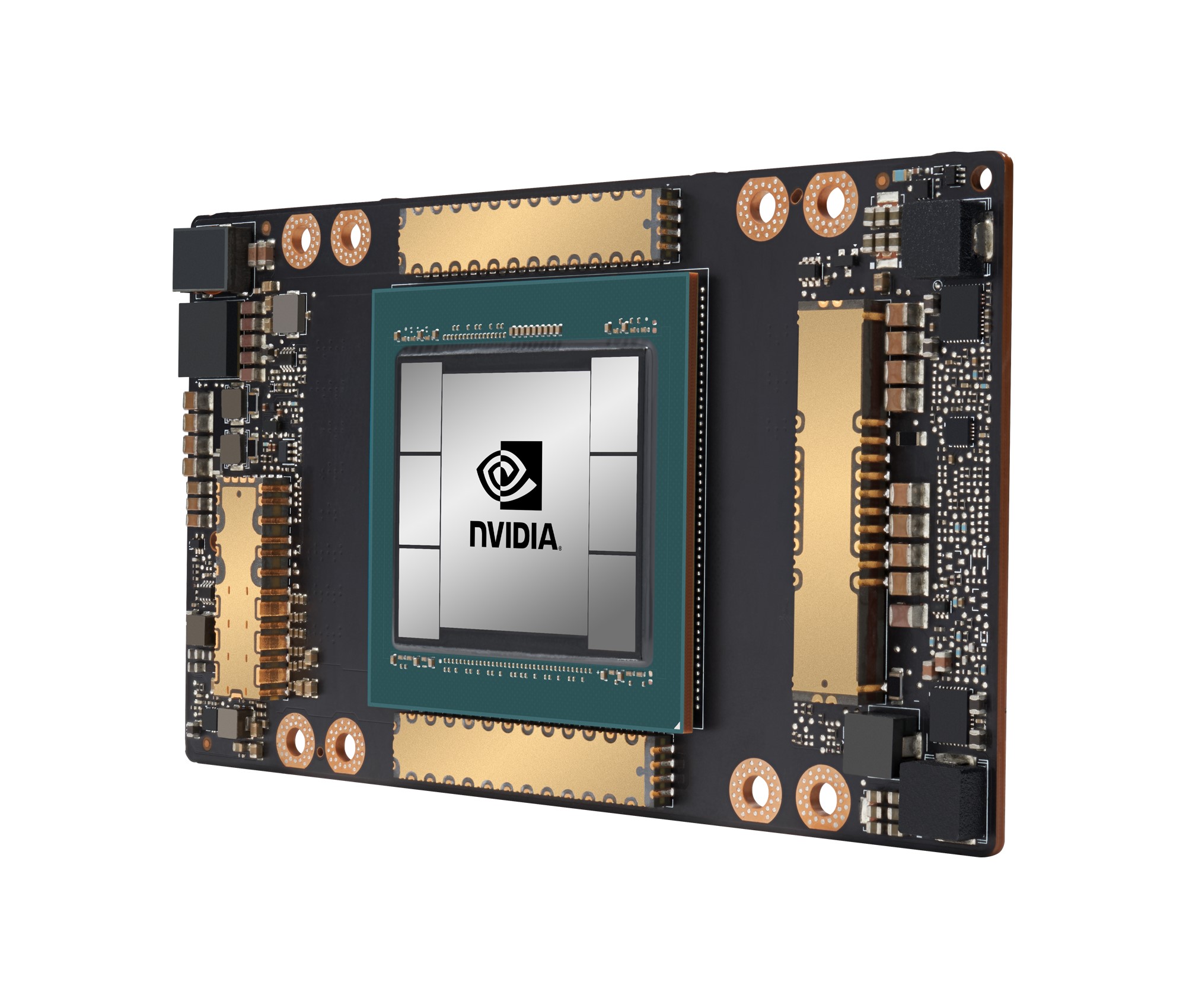
Chipmakers have responded to export controls by redesigning products to meet allowable performance ceilings.
However, frequent regulatory updates introduce uncertainty into product roadmaps and customer contracts.
For Nvidia, balancing compliance with commercial opportunity remains delicate.
Broader semiconductor tensions
The AI chip restrictions form part of a wider framework of semiconductor controls that includes equipment, manufacturing tools, and design software.
Allies have coordinated in some areas, amplifying the reach of US policy.
The measures signal that AI hardware is no longer viewed as purely commercial—it is strategic infrastructure.
A long-term technology decoupling
As licensing requirements tighten, the possibility of further fragmentation in global semiconductor supply chains increases.
Chinese firms are investing heavily in domestic chip development to reduce reliance on US technology.
Meanwhile, US companies must navigate regulatory guardrails while preserving global competitiveness.
In the AI era, chip exports are not just sales—they are instruments of policy.



