
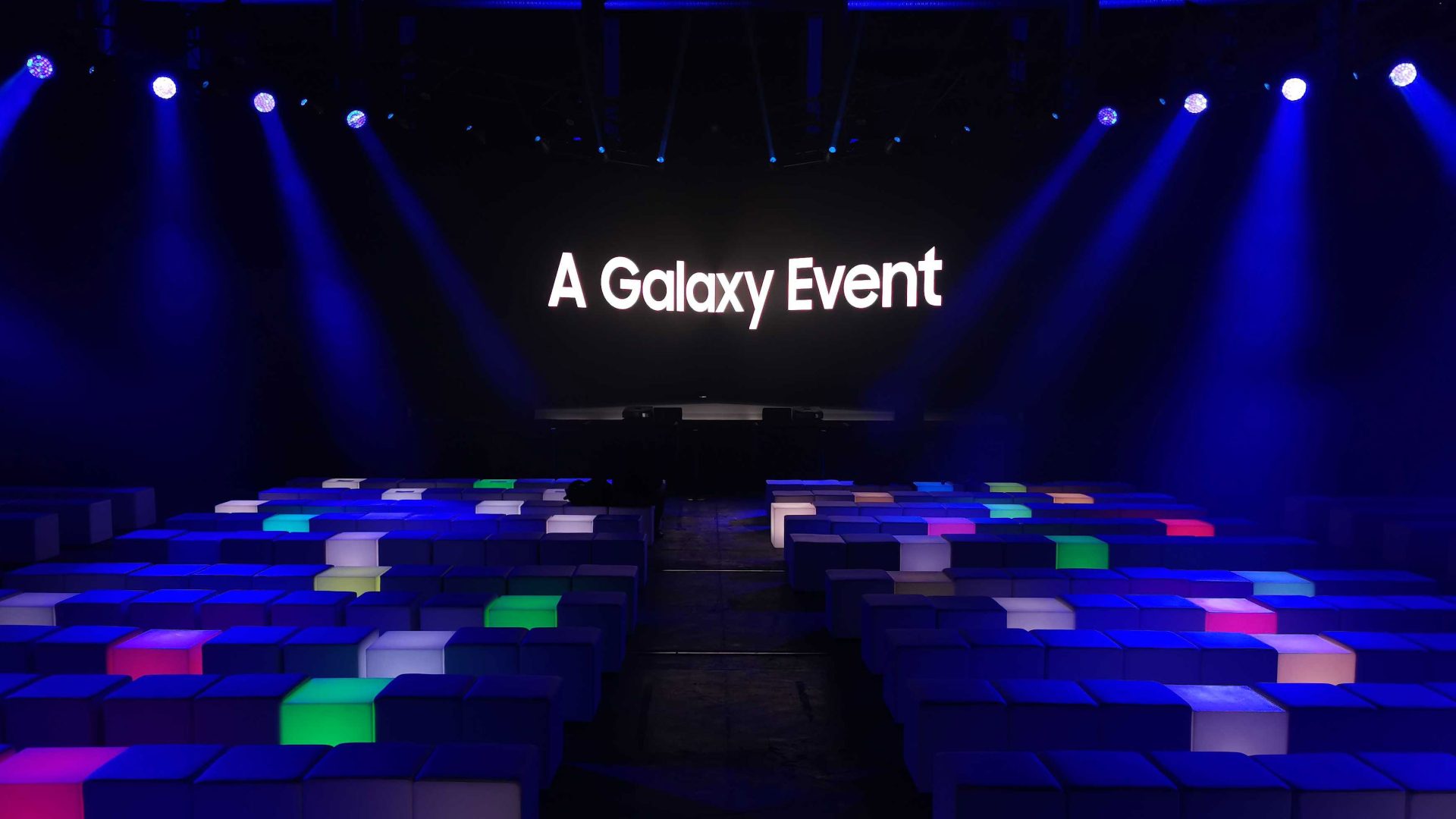
Samsung will hold its Galaxy S26 launch event on February 25, marking the company’s next flagship smartphone release amid intensifying competition in AI-powered mobile devices.
The smartphone industry’s annual flagship cycle is accelerating around artificial intelligence.
Samsung Electronics will host its Galaxy S26 launch event on February 25, according to TechCrunch, positioning the device as its next premium contender in a market increasingly defined by AI integration rather than raw hardware upgrades.
The announcement sets the stage for one of the year’s most closely watched Android releases.
Flagship season begins
Samsung traditionally unveils its Galaxy S series early in the calendar year, establishing momentum ahead of competitors’ mid-year launches. The Galaxy S26 event arrives amid growing pressure from Chinese manufacturers and continued competition from Apple, whose iPhone lineup continues to dominate premium market share in several regions.
Timing is strategic. February announcements allow Samsung to secure media attention and carrier partnerships before the second-quarter sales window.
AI as the new battleground
If recent industry trends are any indication, the Galaxy S26 will likely emphasize AI-driven features over dramatic physical redesigns.
Smartphone makers are increasingly embedding on-device AI models for tasks such as real-time translation, advanced photo editing, contextual search, and productivity automation.
The shift mirrors broader consumer expectations: devices are no longer judged solely by camera megapixels or processor benchmarks, but by how intelligently they assist users.
Samsung has invested heavily in AI-enabled photography and generative editing tools in previous iterations. The S26 launch is expected to deepen that positioning.
Hardware still matters
Despite AI’s prominence, hardware differentiation remains central in the premium tier.
Improvements in mobile chip performance, battery efficiency, and display technology typically accompany each new Galaxy generation.
Samsung’s semiconductor arm continues to play a role in optimizing performance and power management, especially as AI workloads increase processing demands.
Balancing performance with thermal efficiency will be critical as on-device AI becomes more complex.
Competitive landscape intensifies
The Android flagship segment has become more crowded. Chinese brands have aggressively pushed camera innovation, fast charging, and competitive pricing strategies.
Meanwhile, Apple’s ecosystem lock-in remains a formidable advantage in North America and parts of Europe.
Samsung’s strategy often centers on ecosystem integration—connecting smartphones with wearables, tablets, and smart home devices. The S26 event will likely highlight interoperability as part of its broader device portfolio narrative.
Market pressures and consumer cycles
Global smartphone shipments have experienced uneven recovery following pandemic-era volatility. Replacement cycles have lengthened, with consumers holding onto devices longer.
To stimulate upgrades, manufacturers must present compelling functional improvements rather than incremental refreshes.
AI capabilities offer a fresh narrative—but adoption depends on tangible benefits rather than marketing language.
For carriers and retail partners, flagship launches remain critical revenue drivers. High-end devices often anchor bundled data plans and financing programs.
Software longevity and regulatory context

Another factor shaping flagship competitiveness is software support.
Extended OS and security update commitments have become a differentiator among premium Android vendors.
Regulatory discussions in Europe and other regions around right-to-repair and software longevity could influence how manufacturers position update policies during launch events.
Consumers increasingly view durability—both physical and digital—as part of value assessment.
Investor and ecosystem implications
For Samsung, flagship launches carry significance beyond device sales. They influence brand perception, supply chain coordination, and semiconductor demand forecasts.
Component suppliers, telecom operators, and app developers often align roadmaps around major releases.
The Galaxy S26 event therefore serves as both product unveiling and ecosystem signal.
Strong reception could reinforce Samsung’s standing in the premium Android tier, while lukewarm response would intensify pressure from rivals capitalizing on aggressive pricing or niche differentiation.
The broader AI smartphone transition
The Galaxy S26 arrives at a moment when the smartphone industry is redefining itself around AI.
On-device generative tools, smarter assistants, and predictive workflows are becoming baseline expectations.
The challenge for Samsung will be to translate technical capability into intuitive, everyday utility.
Consumers will judge not only whether the S26 is faster—but whether it feels meaningfully smarter.
Looking ahead to February 25
The February 25 event will clarify Samsung’s narrative for 2026.
Will the Galaxy S26 represent a substantive shift in how users interact with their phones, or will it reflect incremental evolution wrapped in AI branding?
The answer matters not only for Samsung’s quarterly performance, but for the trajectory of the Android ecosystem in a year defined by artificial intelligence integration.
As flagship season begins, the question is no longer just who has the best camera.
It is who can make intelligence feel indispensable in the palm of the hand.


