Humanoid robotics startup Apptronik has raised $935 million in total funding, reaching a reported $5 billion valuation as investor interest in automation intensifies.
Venture capital is flowing aggressively into humanoid robotics.
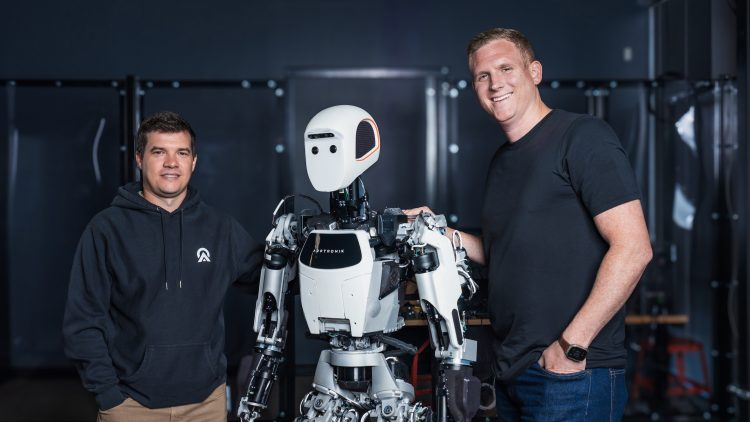
Apptronik has now raised $935 million in funding at a reported $5 billion valuation, according to TechCrunch, positioning the company among the most highly capitalized players in the emerging humanoid robot market.
The raise underscores growing investor conviction that general-purpose robots could become a major pillar of industrial automation.
Robotics enters a new funding cycle
Humanoid robotics has historically struggled with commercial viability due to hardware costs, battery limitations, and safety constraints.
Recent advances in AI perception systems, motion planning, and machine learning models have renewed optimism that such machines can operate in dynamic environments like warehouses and manufacturing floors.
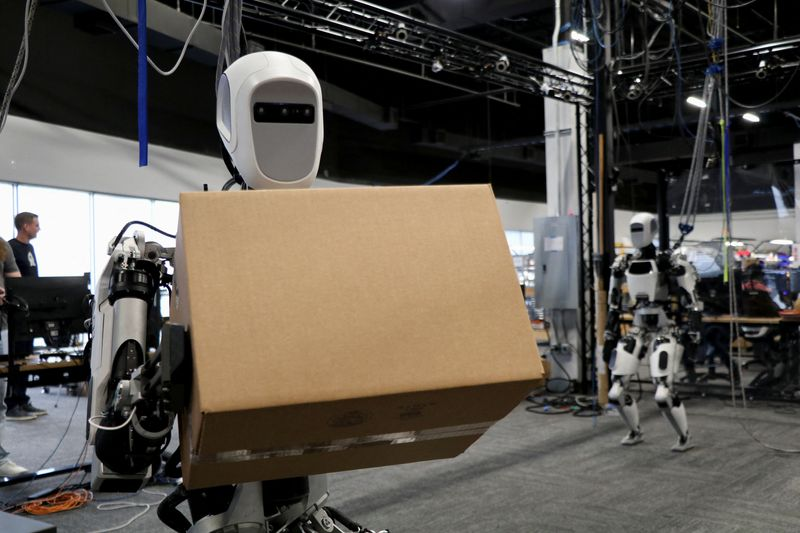
Apptronik’s flagship humanoid robot, Apollo, is designed for logistics and material handling use cases — sectors facing persistent labor shortages.
Why investors are paying attention
Automation demand is intensifying globally, particularly in sectors such as warehousing, manufacturing, and supply chain operations.
Humanoid robots promise flexibility compared to fixed industrial arms, potentially performing tasks designed around human movement.
Investors appear to be betting that declining component costs and AI-driven adaptability will push humanoid systems closer to commercial scalability.
The $5 billion valuation reflects expectations that the company can transition from pilot deployments to broader enterprise adoption.
Competitive landscape
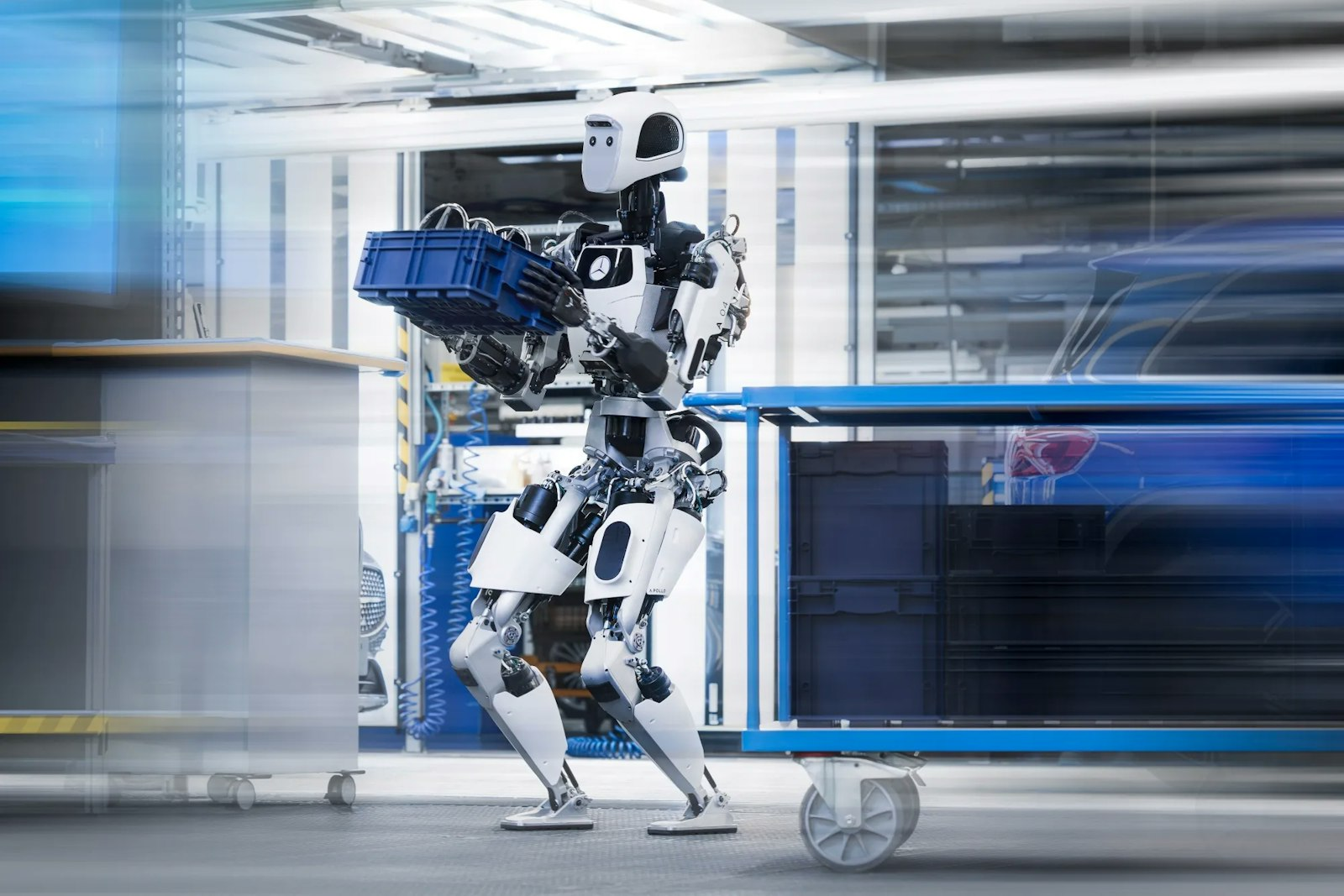
Apptronik competes in a field that includes well-funded robotics startups and established tech companies exploring humanoid systems.
The sector has seen increased activity as AI models capable of vision-language reasoning improve robotic decision-making in unstructured environments.
Still, scaling hardware remains capital-intensive and operationally complex.
Risks and execution hurdles
Despite strong funding momentum, humanoid robotics faces engineering challenges.
Battery life, cost per unit, safety certification, and real-world reliability remain barriers to mass adoption.
Investors are effectively underwriting a long-term industrial transformation rather than short-term revenue gains.
A broader automation signal
The scale of funding suggests humanoid robotics is transitioning from speculative R&D to commercialization phase.
If deployments prove economically viable, the impact could reshape workforce structures across logistics and industrial sectors.
For now, Apptronik’s capital position gives it runway to refine its technology — but commercial validation will ultimately determine whether the humanoid robot thesis translates into sustained returns.