
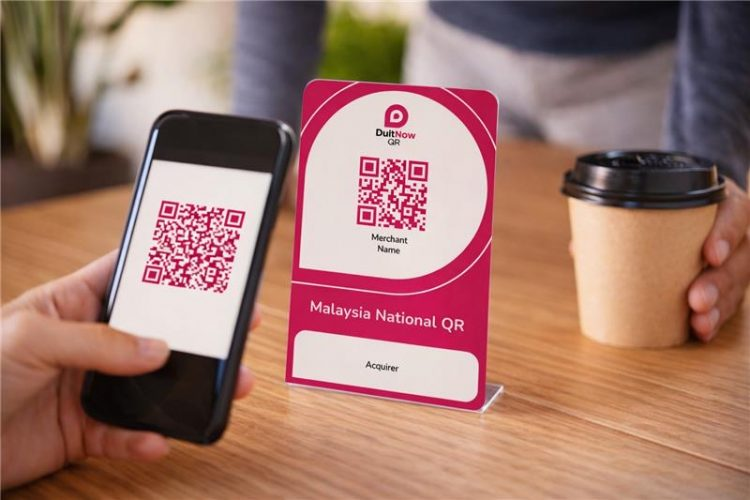
Malaysia’s PayNet and India’s NPCI are partnering to enable cross-border QR payments, linking their national payment systems.
Asia’s real-time payment networks are becoming increasingly interoperable.
Malaysia’s Payments Network Malaysia (PayNet) and India’s National Payments Corporation of India (NPCI) will enable cross-border QR code payments between the two countries, according to Tech in Asia.
The move connects Malaysia’s domestic QR ecosystem with India’s Unified Payments Interface (UPI), one of the world’s largest real-time payment systems.
Linking national rails
Both Malaysia and India have developed domestic instant payment networks that rely heavily on QR-based transactions.
By connecting the systems, travelers and merchants in each country can transact using familiar payment apps without relying on international card networks.
Cross-border interoperability reduces friction for tourism and small business transactions.
Expanding UPI’s global footprint
UPI has steadily expanded beyond India through bilateral payment linkages.
NPCI’s international arm has pursued partnerships across Southeast Asia and beyond.
Interoperability enhances India’s digital payments diplomacy and supports cross-border commerce.
Regional fintech integration
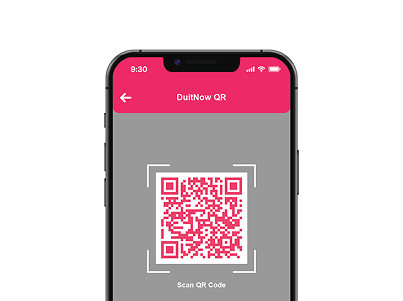
Southeast Asia is home to multiple QR-based national payment schemes.
Linking these systems strengthens regional financial integration and lowers transaction costs.
Real-time settlement and currency conversion mechanisms will be central to operational rollout.
Competitive implications
Cross-border QR frameworks may reduce dependence on traditional card schemes for small-value transactions.
Fintech players and banks must adapt to a more interconnected digital payments environment.
Merchant adoption and user education will influence uptake.
Regulatory coordination
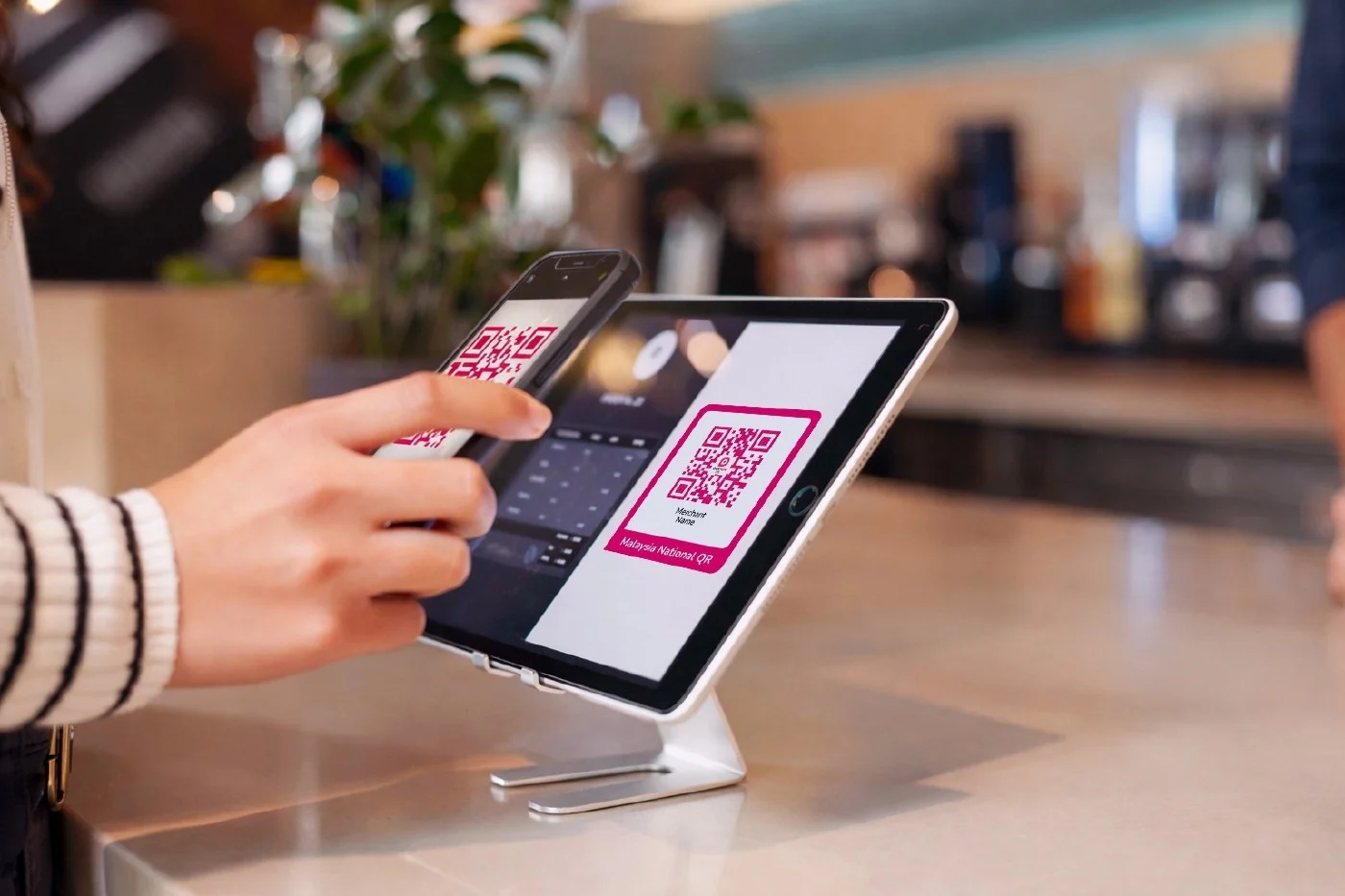
Cross-border payment integration requires coordination on compliance, settlement, and dispute resolution frameworks.
Regulatory cooperation between central banks underpins operational viability.
Currency conversion transparency will also shape user experience.
The broader trend
Digital payment sovereignty has become a strategic priority across Asia.
By linking domestic rails, countries are building a regional alternative to legacy global networks.
The Malaysia–India partnership signals that QR-based interoperability may become a defining feature of Asia’s next phase of fintech integration.



