Monster Hunter Stories 3 introduces mechanical refinements that address progression and depth limitations commonly associated with creature-collection RPGs.
Creature-collection RPGs remain commercially dominant, but their design formulas often resist structural change.
Monster Hunter Stories 3 appears intent on iterating where others have stayed conservative.
Addressing progression rigidity
One long-standing criticism of traditional monster-collection franchises is constrained progression — particularly limited build diversity and predictable combat loops.

Stories 3 introduces:
- Expanded skill customization
- Flexible creature growth systems
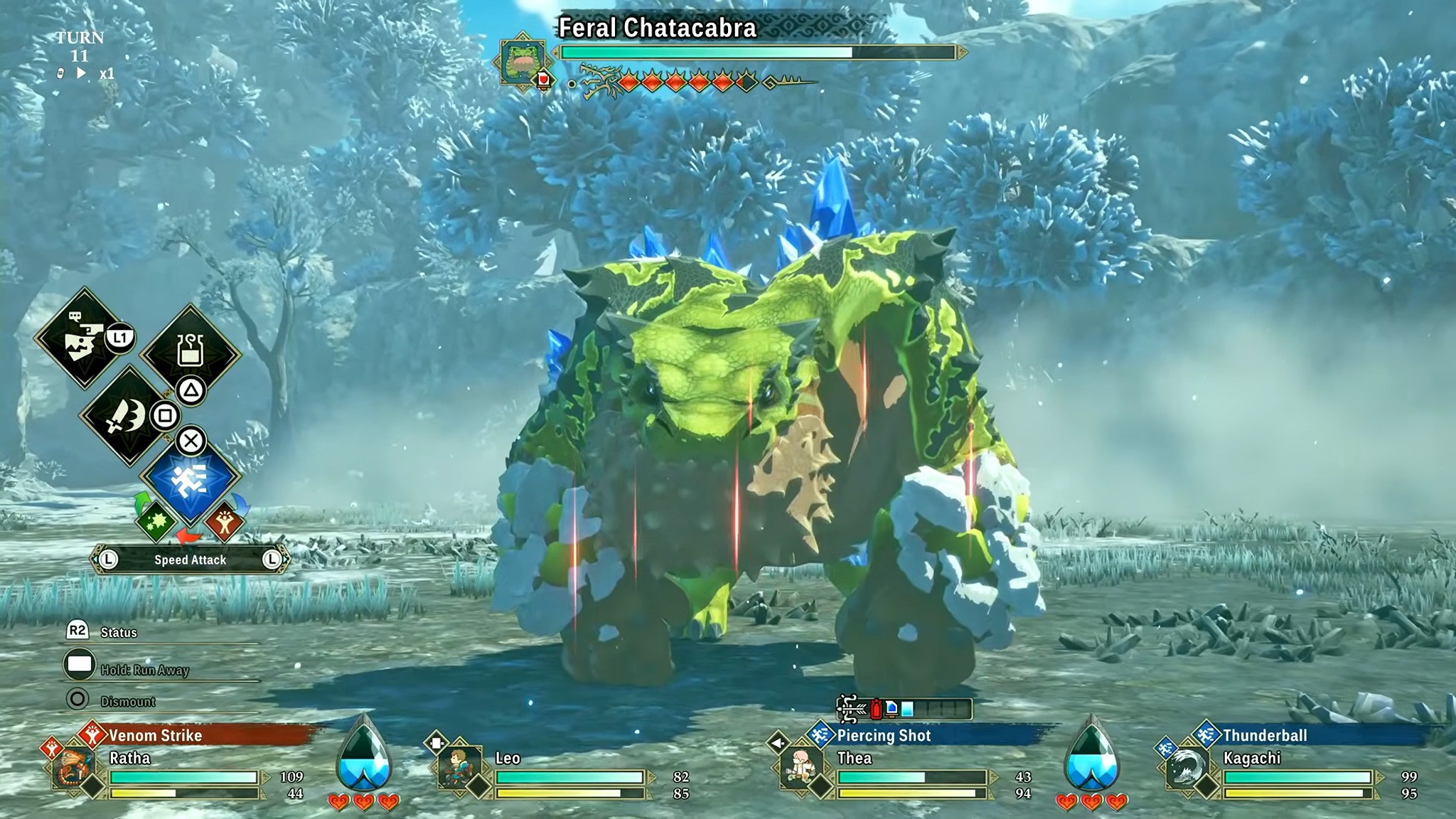
- Greater strategic variation in turn-based battles
These adjustments encourage experimentation rather than funneling players into narrow optimal builds.
Monster Hunter Stories – Strategic depth over nostalgia
While Pokémon-style mechanics prioritize accessibility, Stories 3 leans into layered systems familiar to long-time RPG players.
Capcom’s broader Monster Hunter ecosystem emphasizes mastery and iterative improvement. That philosophy translates into Stories 3 through:
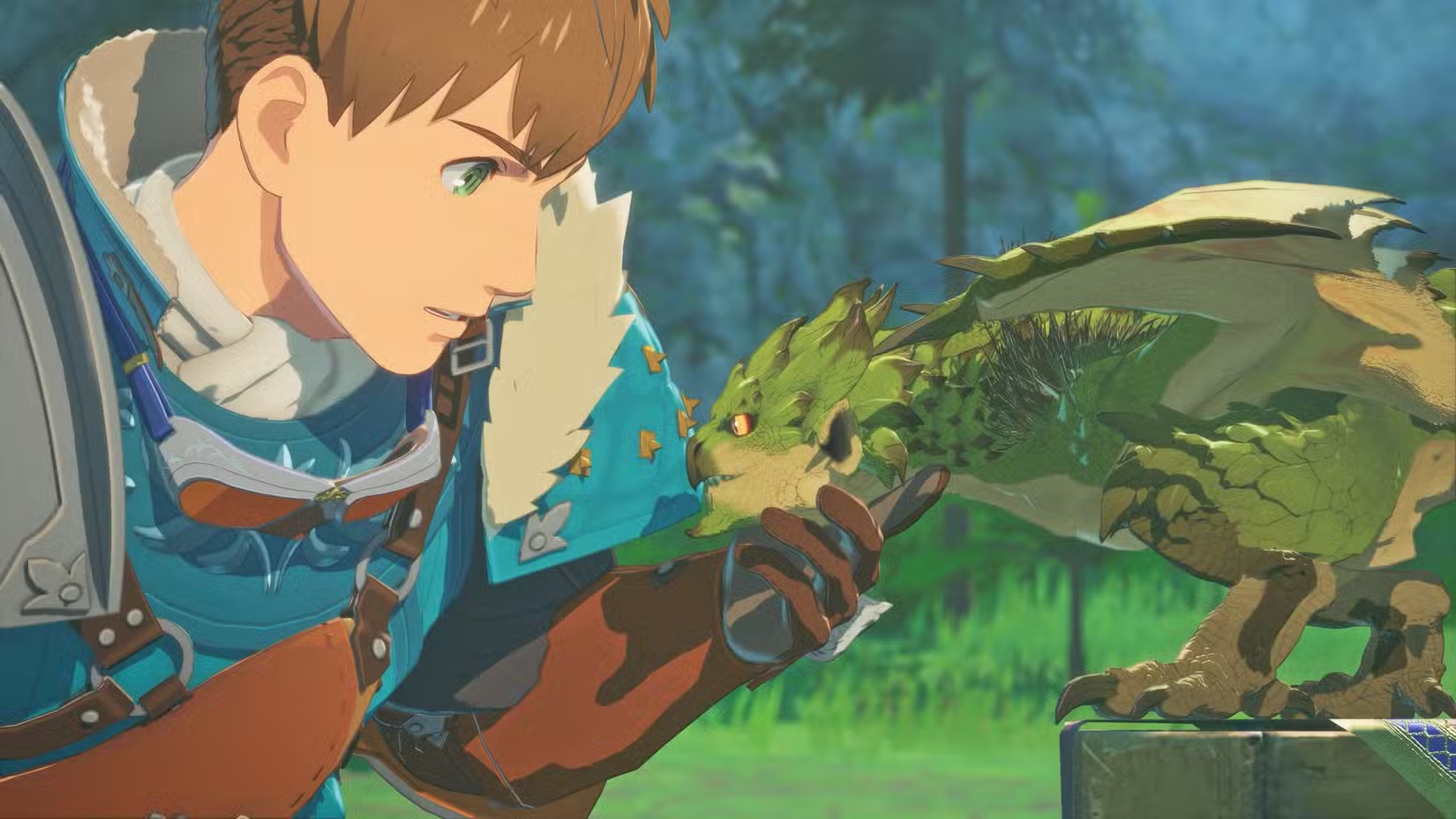
- Tactical synergy between rider and creature
- Environmental influences on combat
- Expanded post-game progression
Competitive genre landscape
The creature-collection genre has become increasingly crowded, particularly as indie studios explore variations on the formula.
By addressing systemic limitations rather than cosmetic upgrades, Monster Hunter Stories 3 differentiates itself without abandoning accessibility.
For Capcom, the title strengthens portfolio diversity beyond action-heavy mainline entries while reinforcing the Monster Hunter brand across genres.
In a market where familiarity often drives sales, innovation within a known framework may prove the stronger long-term strategy.