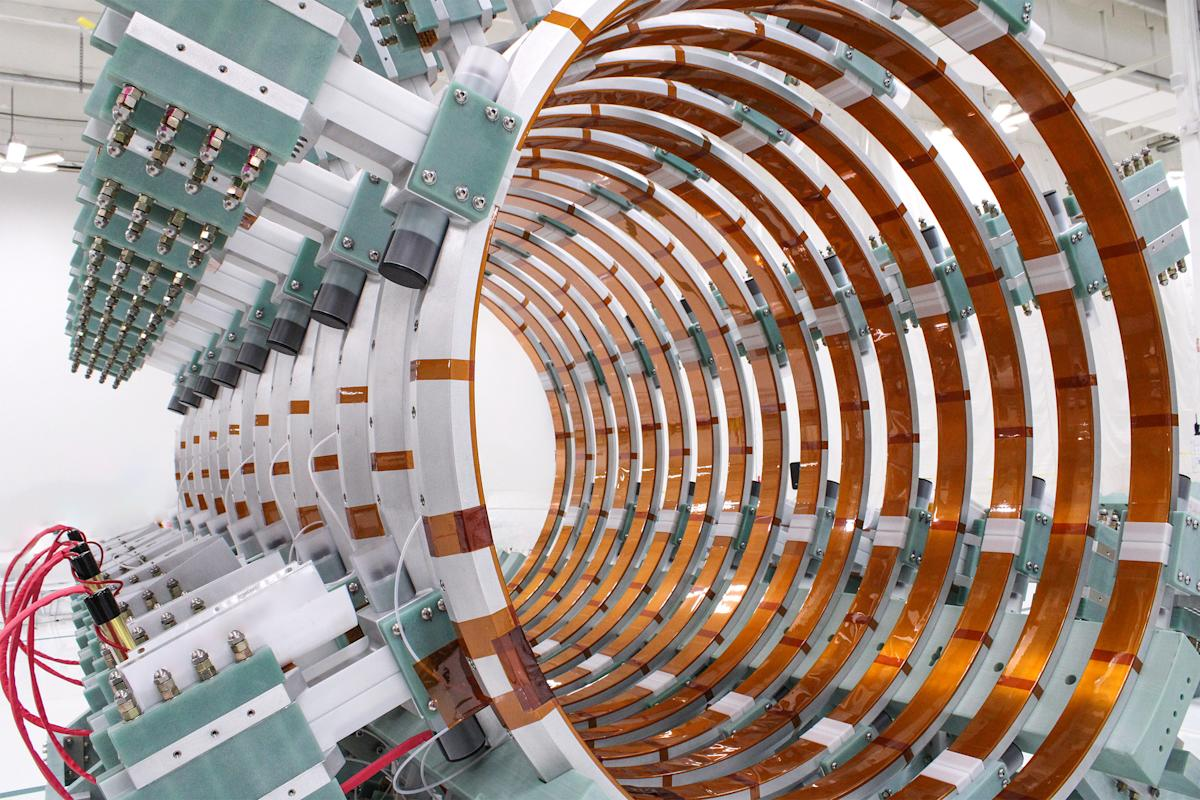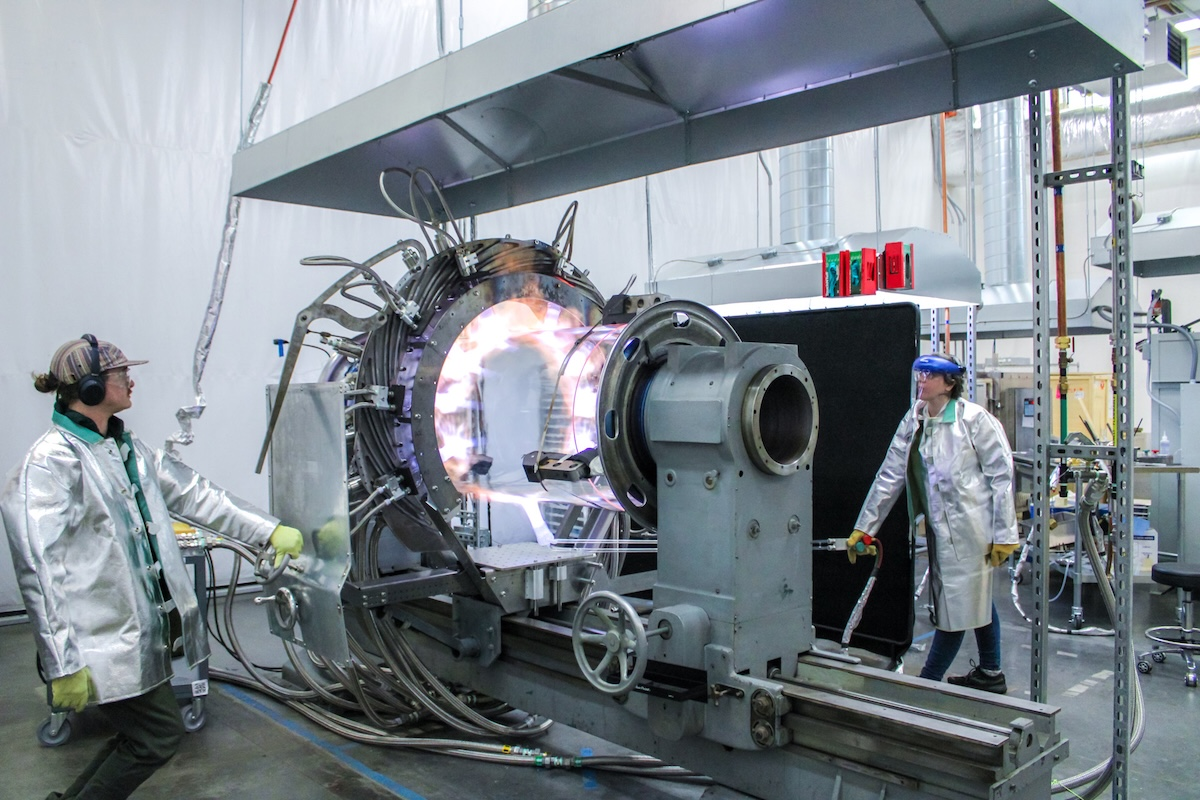
U.S.-based fusion startup Helion says it has reached new high-temperature plasma milestones, a technical step toward its goal of delivering commercial fusion power by 2028.
Fusion energy remains one of the most technically ambitious bets in climate technology. This week, Helion Energy said it has achieved new temperature benchmarks in its pulsed fusion system — a milestone the company argues brings it closer to delivering commercial electricity within the next three years.
The announcement comes as private fusion companies face mounting scrutiny over timelines, capital intensity, and grid readiness.
Chasing commercial fusion
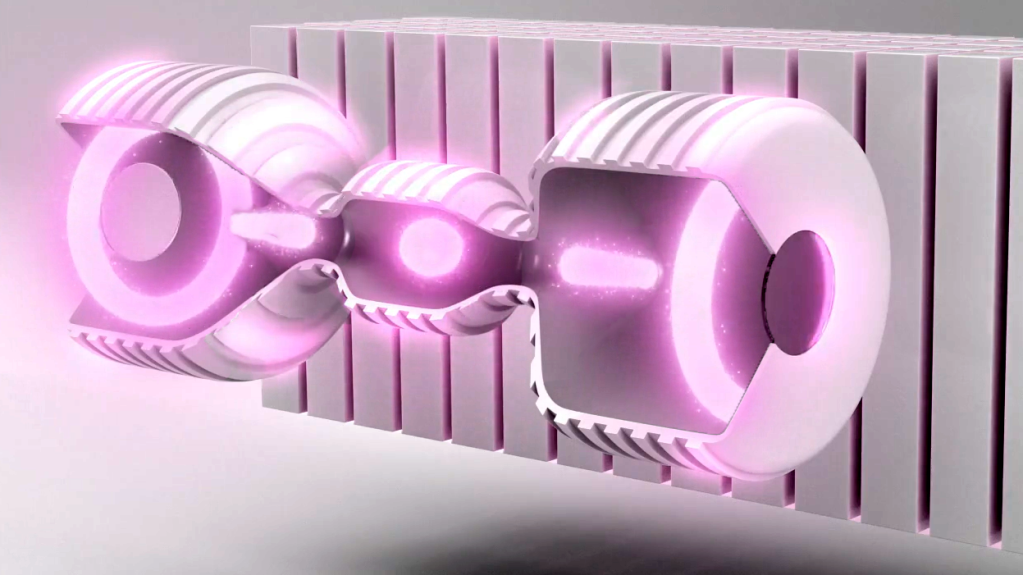
Helion’s approach differs from conventional tokamak reactors. Instead of maintaining steady-state plasma in a doughnut-shaped magnetic field, the company uses pulsed magnetic compression to generate short bursts of fusion conditions.
The latest tests reportedly achieved plasma temperatures sufficient for the next stage of fuel compression experiments. While Helion has not disclosed exact figures, reaching ultra-high temperatures is critical for triggering sustained fusion reactions.
For investors and policymakers, the timeline matters. Helion has publicly targeted 2028 for delivering electricity to the grid — a deadline viewed by many scientists as aggressive.
Why temperature milestones matter
Fusion requires:
- Extreme plasma temperatures
- Precise magnetic confinement
- Efficient energy capture mechanisms
Unlike fission, fusion produces minimal long-lived radioactive waste and carries lower meltdown risk. However, net energy gain — producing more power than consumed — remains the central engineering hurdle.
Helion’s pulsed system is designed to directly convert magnetic energy into electricity, potentially avoiding steam turbines used in traditional power plants. That design, if viable, could lower costs and simplify grid integration.
A capital-intensive race
Private fusion has drawn billions in funding over the past decade, including backing from major technology investors. Companies such as Commonwealth Fusion Systems and others are pursuing alternative reactor designs.
Helion’s challenge now moves beyond laboratory validation toward:
- Scaling reactor components
- Proving durability under repeated pulses
- Demonstrating economic viability
For climate markets, commercial fusion would represent a structural shift in global energy supply. Yet skepticism remains, particularly given decades of missed fusion timelines.
Market and policy implications
Governments are increasingly supportive of advanced nuclear technologies as part of decarbonization strategies. However, regulatory pathways for fusion remain less defined than for fission reactors.
If Helion meets its 2028 target, it would mark the first privately funded fusion power deployment connected to a grid-scale buyer.
Looking ahead, the question is less about whether fusion is physically possible — that has long been demonstrated in experimental contexts — and more about whether engineering and economics can converge quickly enough to matter in the energy transition.
For now, Helion’s temperature milestone signals technical progress. Commercial proof, however, remains the real test.