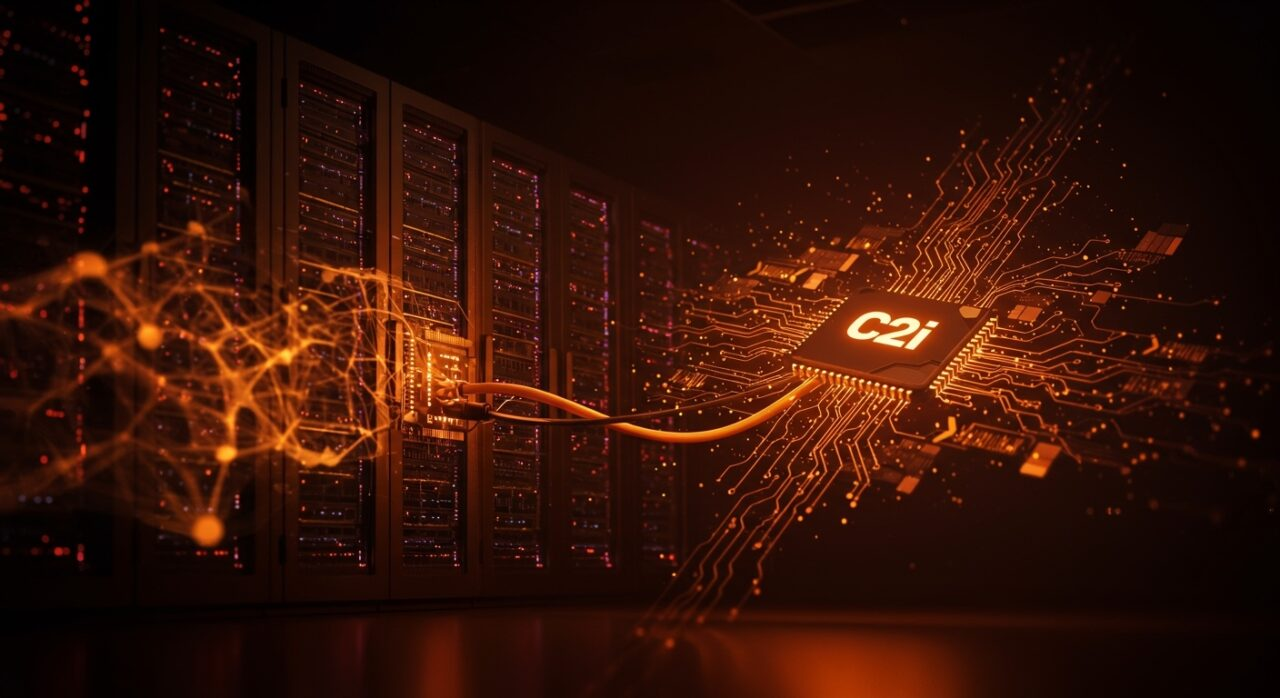
With AI data centers facing power and grid constraints, Peak XV has invested in Indian startup C2i to address infrastructure bottlenecks tied to AI compute growth.
The AI boom is no longer just a software story. It is increasingly an energy story.
As generative AI workloads expand, hyperscale data centers are approaching physical and grid-level constraints. Against this backdrop, venture firm Peak XV Partners has backed Indian startup C2i, which is focused on easing power bottlenecks tied to AI infrastructure.
The energy ceiling of AI
Training and running large AI models requires immense computational capacity. That demand translates directly into:
- Higher electricity consumption
- Increased cooling requirements
- Strain on local grids
In some markets, utilities have delayed or restricted new data center projects due to insufficient power availability.
India, while rapidly expanding its digital infrastructure, faces similar structural challenges.
Why infrastructure is becoming investable
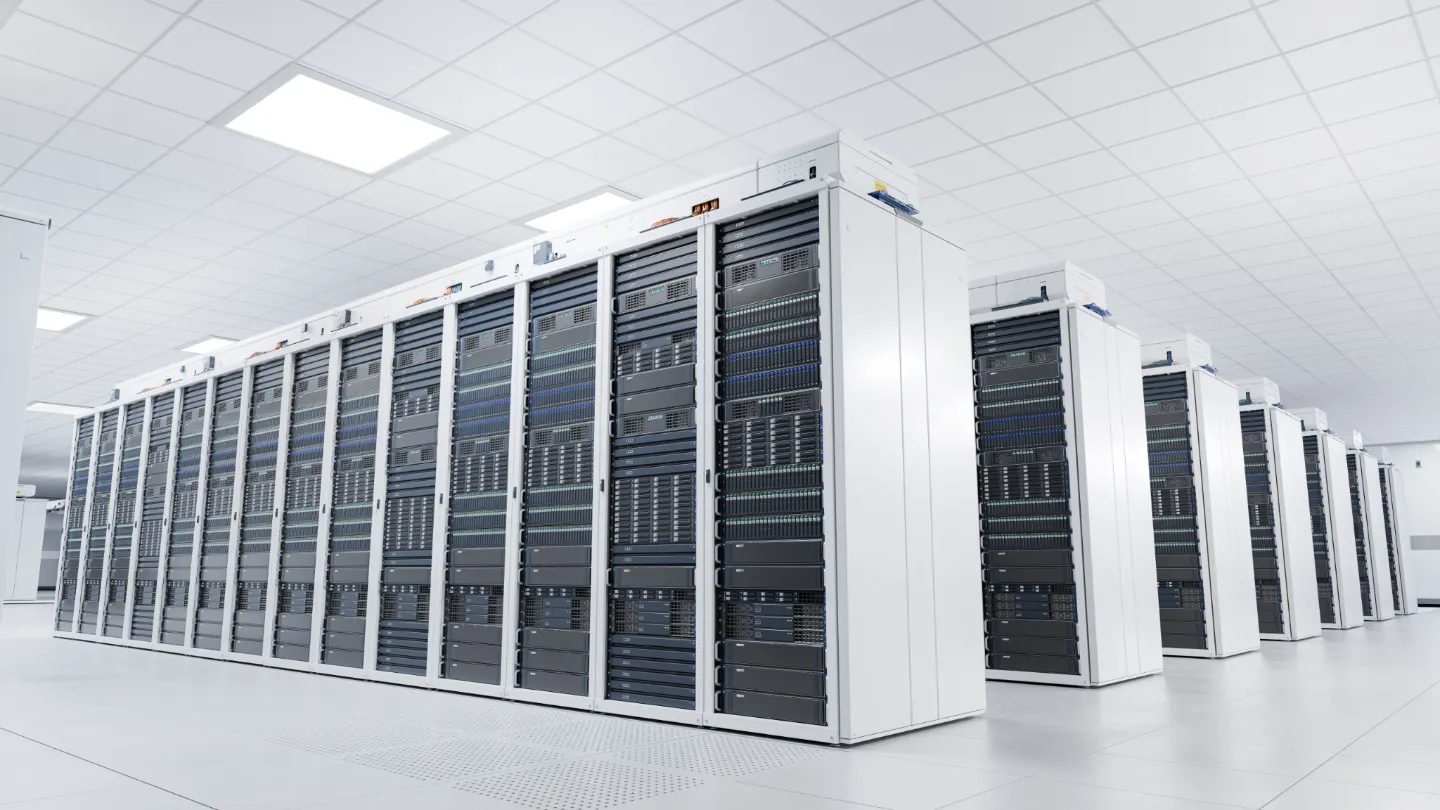
Investors are increasingly recognizing that AI infrastructure is a systems problem — spanning silicon, networking, cooling, and power optimization.
Startups like C2i aim to improve efficiency across the stack, potentially through:
- Energy optimization technologies
- Smarter load balancing
- Data center design enhancements
- Grid integration solutions
By targeting bottlenecks rather than model performance alone, infrastructure startups may capture durable demand as AI adoption scales.
A regional opportunity
India’s AI ambitions — spanning government digital programs, enterprise adoption, and global outsourcing — depend on reliable compute infrastructure.
If power availability constrains growth, local innovation in energy management could become strategically important.
Peak XV’s backing signals that investors see not only technical potential but also macro-level necessity.
The next phase of AI competition for Peak XV
The narrative around AI has focused heavily on models, interfaces, and chip design. Yet long-term scalability may hinge on something more fundamental: watts per workload.
As AI systems move from experimentation to embedded enterprise use, energy efficiency could become a defining competitive advantage.
For startups addressing data center power constraints, the opportunity lies not in building the next chatbot — but in ensuring the infrastructure behind it can keep running.