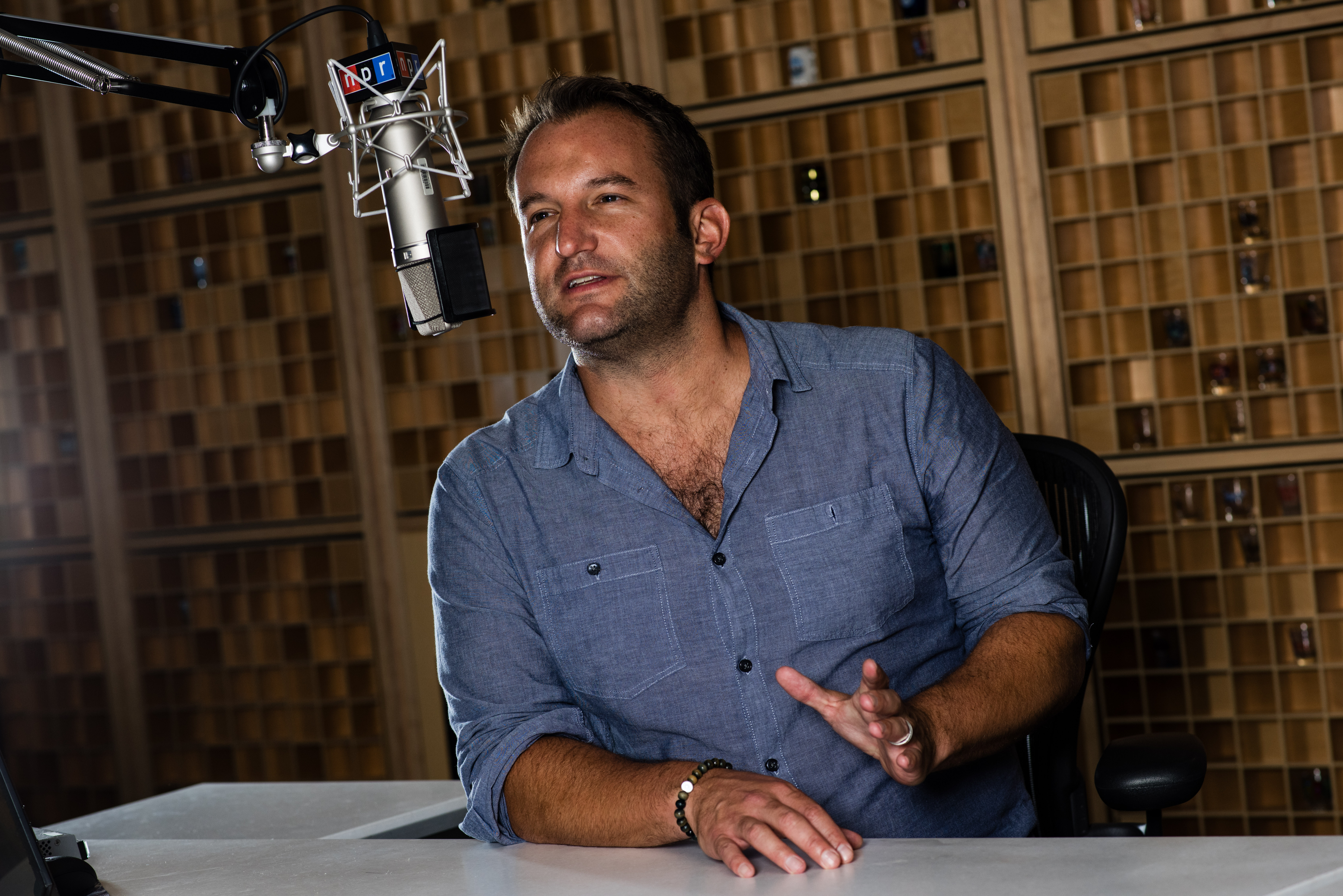
Former NPR host David Greene has sued Google, alleging its NotebookLM voice feature used a vocal likeness similar to his without consent, raising broader questions about AI voice rights.
A lawsuit filed by longtime NPR host David Greene against Google is poised to become a key test case in the emerging legal landscape surrounding AI-generated voices.
David Greene alleges that Google’s AI tool, NotebookLM, used a voice output closely resembling his vocal identity without authorization — an accusation that touches on unsettled questions about digital likeness rights and synthetic media.
A new front in AI litigation
Voice replication technology has advanced rapidly, enabling synthetic voices that can mimic tone, cadence, and timbre with striking realism.
NotebookLM, part of Google’s broader AI push, allows users to convert written content into conversational audio. Greene’s complaint reportedly centers on whether such output crossed the line from generic AI narration into recognizable imitation.
The case arrives amid rising litigation involving AI-generated images, text, and music. Voice — long a distinctive element of personal identity — is now becoming a battleground.
The legal gray zone for David Greene
U.S. law recognizes “right of publicity” protections, which prevent unauthorized commercial use of a person’s name, image, or likeness. However, whether AI-generated voices qualify as likeness violations remains legally unsettled.
Key questions likely to surface in court include:
- What constitutes a recognizable vocal identity?
- Must intent to replicate be demonstrated?
- How do training data and output similarity interact legally?
The outcome could influence how AI companies design voice models, particularly when public figures are involved.
Industry-wide implications

Synthetic voice technology is increasingly embedded in:
- Podcast narration
- Audiobook generation
- Customer service automation
- Content summarization tools
A ruling against Google could accelerate demand for clearer consent frameworks and licensing mechanisms for voice likeness usage.
Conversely, a narrow interpretation of vocal rights might allow AI platforms broader latitude, provided no explicit impersonation occurs.
A broader identity debate
The dispute reflects a deeper shift: as generative AI moves into audio and video domains, digital identity protection may require legal modernization.
Voice, once ephemeral, is now reproducible at scale.
How courts respond to David Greene’s lawsuit could shape the guardrails for AI narration, media automation, and the economics of vocal talent in the digital age.