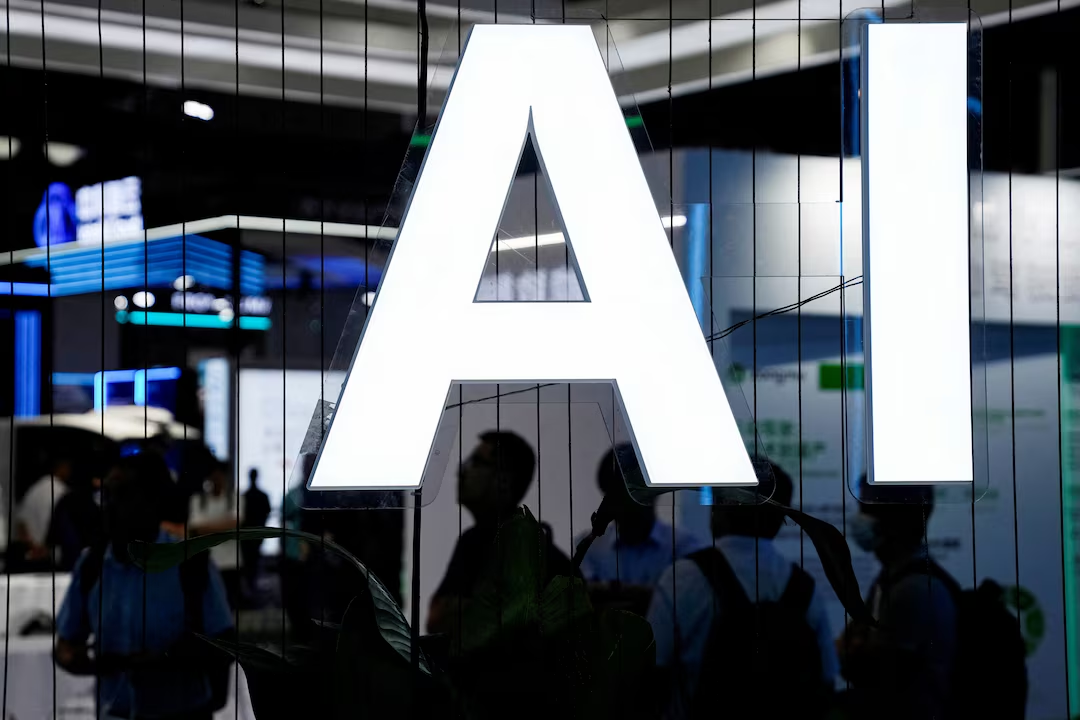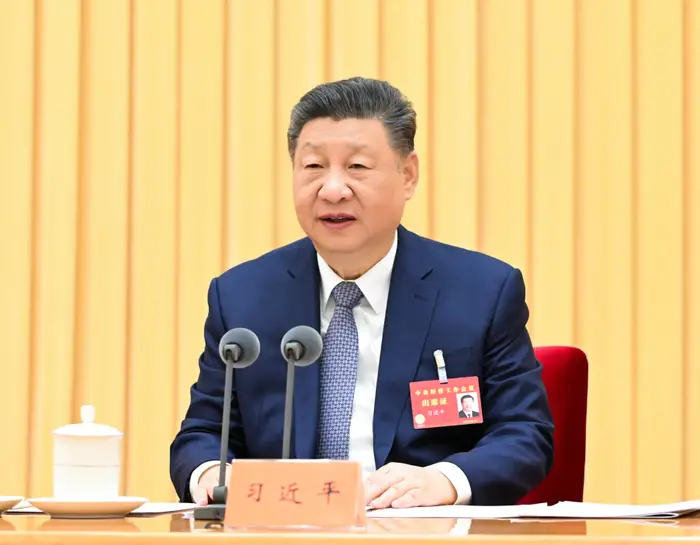
China’s leadership has placed artificial intelligence at the center of its economic playbook for 2026, with President Xi Jinping signaling that advanced technologies will be key to sustaining growth amid structural headwinds.
The emphasis comes as China navigates slowing property markets, export volatility, and geopolitical constraints on advanced semiconductor imports. AI, alongside semiconductors and advanced manufacturing, is increasingly framed as a productivity engine capable of offsetting cyclical pressures.
AI as an economic stabilizer
Rather than presenting AI as a consumer technology trend, Xi Jinping is positioning it as a strategic industrial capability.
Priority areas include:
- Smart manufacturing and factory automation
- AI-driven logistics and supply chain optimization
- Industrial robotics
- Autonomous systems
By embedding AI into core industries, Beijing aims to lift productivity in sectors that employ large segments of the workforce.
The strategy aligns with China’s broader push toward technological self-reliance, particularly as export controls continue to restrict access to high-end chips.
Domestic innovation under constraints
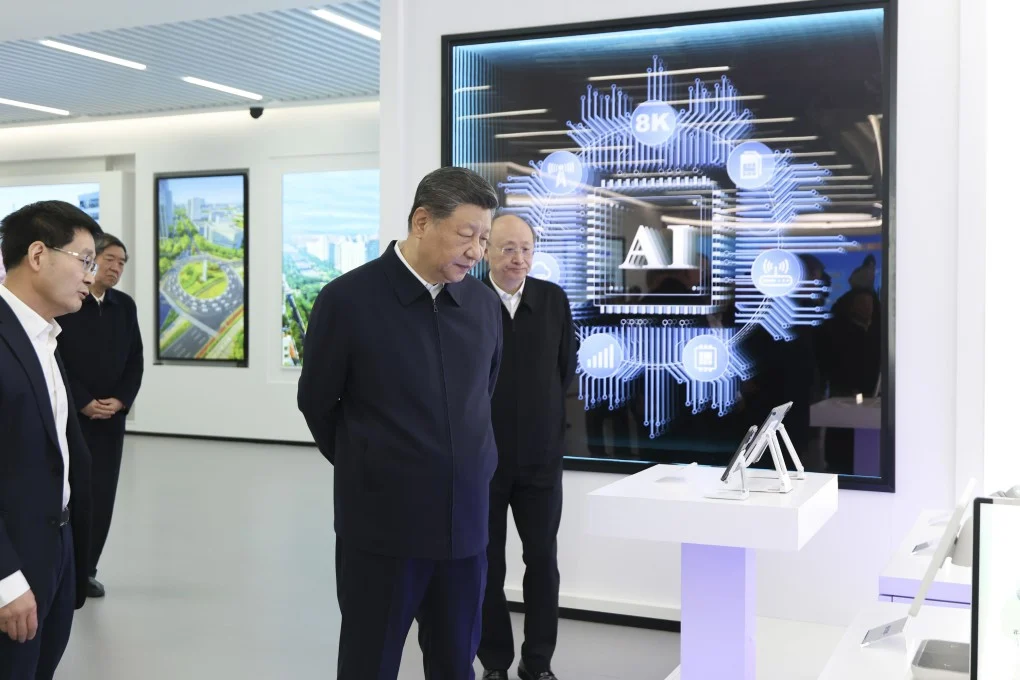
U.S. and allied restrictions on advanced semiconductor exports have reshaped China’s AI trajectory. Without full access to leading-edge GPUs, Chinese firms are focusing on:
- Model efficiency improvements
- Chip substitution strategies
- Homegrown semiconductor development
- Vertical integration across AI stacks
State-backed funding and coordinated industrial policy have accelerated domestic efforts to close gaps in both hardware and foundational AI models.
The result is a two-track AI ecosystem — one shaped by hardware abundance in the West, and another built around optimization and policy-driven deployment in China.
Growth beyond experimentation by Xi Jinping
Xi Jinping have increasingly framed AI as a necessary step for maintaining competitiveness in global supply chains. Unlike early AI waves centered on consumer apps, the current policy direction stresses enterprise and infrastructure integration.
AI adoption is expected to expand in:
- Transportation networks
- Energy management
- Public services
- Healthcare analytics
The underlying objective is to translate technological upgrades into measurable economic output, rather than purely innovation signaling.
Global implications
China’s AI strategy carries implications for global markets. As domestic firms scale AI applications across manufacturing and logistics, cost efficiencies could ripple into export competitiveness.
At the same time, tighter state involvement may shape how Chinese AI models are developed, governed, and deployed.
The 2026 growth narrative suggests AI is no longer treated as an optional frontier — it is positioned as an economic necessity.