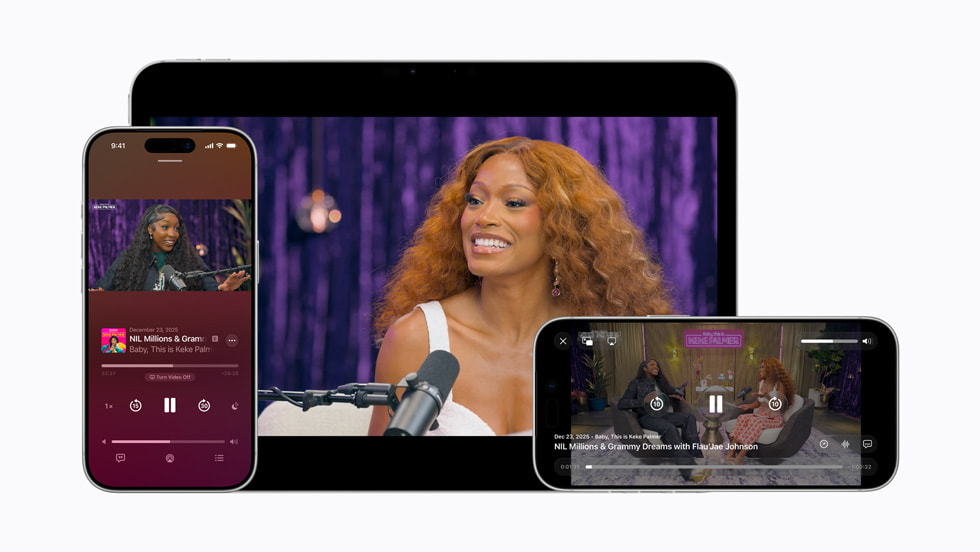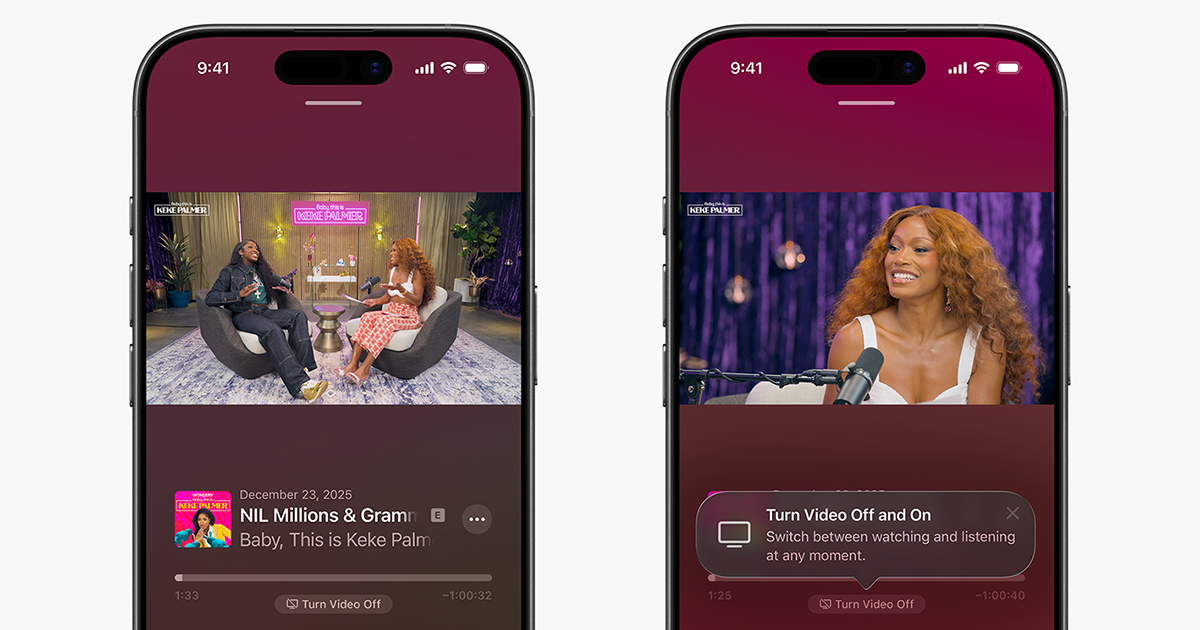
Apple has introduced a new video podcast experience on Apple Podcasts, allowing creators to distribute video episodes natively. The move positions Apple more directly against YouTube and Spotify in the fast-growing video podcast market.
Podcasting is no longer audio-first.
Apple is introducing integrated video support within Apple Podcasts, marking a strategic expansion as video increasingly becomes the default format for major creators.
The shift reflects changing audience behavior: listeners are also viewers, and platforms that fail to support video risk losing creator engagement.
A response to YouTube’s dominance
Video podcasts have grown rapidly on platforms such as YouTube, where full-length episodes often attract millions of views.
Spotify has also invested heavily in video podcast distribution, securing exclusive deals and building in-app playback capabilities.
The Podcasts, historically focused on audio distribution and premium subscriptions, now appears to be closing that gap.
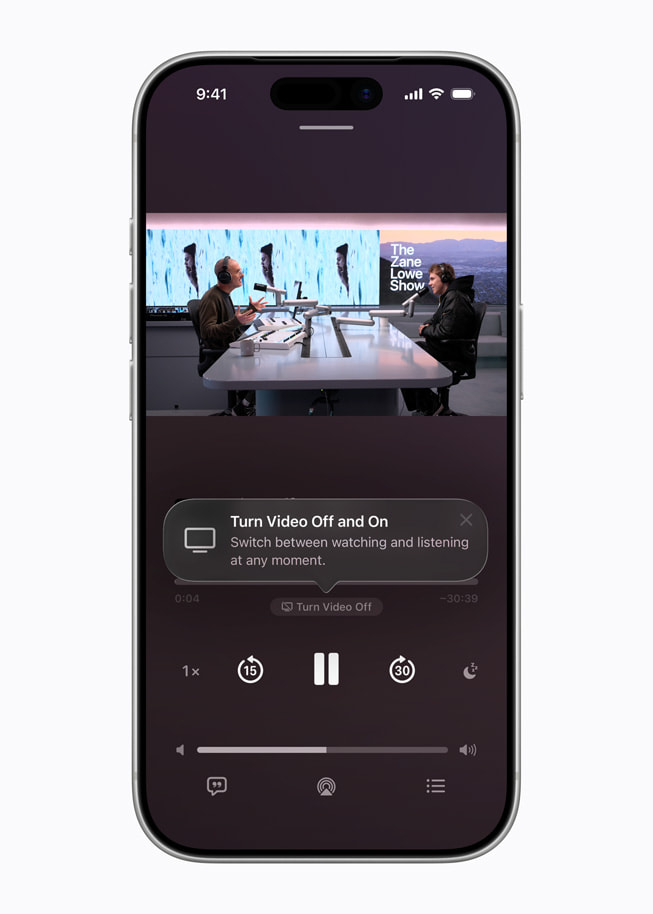
The new experience allows creators to publish video episodes directly, accessible within the Apple ecosystem across devices.
This matters because The Podcasts remains one of the largest podcast directories globally.
Strategic platform positioning
Its broader services strategy increasingly emphasizes recurring revenue streams.
Services — including Apple Music, iCloud, App Store commissions, and subscription products — now represent a substantial portion of the company’s overall revenue.
Enhancing Apple Podcasts with video capabilities strengthens:
- Creator retention
- Subscription monetization
- Advertising inventory potential
- User engagement time
Video also creates new monetization vectors, including dynamic ad formats and premium content tiers.
For creators, the integration reduces the need to maintain separate distribution pipelines across platforms.
The creator economy implications
The creator economy has matured beyond influencer-driven social media posts.
Podcasting — particularly long-form interviews and expert discussions — has become a key channel for thought leadership, education, and community building.
Video enhances discoverability.
Visual clips travel more easily across social media platforms, driving traffic back to full episodes. By supporting video natively, Apple allows creators to centralize engagement within its ecosystem rather than routing audiences elsewhere.
This could prove especially significant for subscription-based shows leveraging Apple’s in-app payment infrastructure.
Technical and ecosystem advantages
It controls both hardware and software layers.
Video podcasts optimized for Apple devices can benefit from:
- High-resolution displays
- Efficient local playback
- Integrated subscription management
- Cross-device syncing
If the company integrates video podcast features into Apple TV or spatial computing platforms in the future, the move could extend beyond mobile consumption.
While Apple has not announced broader ecosystem tie-ins, the infrastructure groundwork is now in place.
Competitive pressures remain
Despite the update, Apple faces entrenched competitors.
YouTube’s scale, recommendation algorithms, and monetization tools remain formidable. Spotify continues investing in exclusive content and creator incentives.
Its advantage lies in ecosystem integration and privacy positioning. However, discoverability tools and algorithmic promotion will determine whether video podcasts gain traction within its platform.
For creators evaluating distribution strategy, platform analytics, revenue share structures, and audience reach will remain central considerations.
A platform evolution rather than a pivot
Its move into video podcasts is less a pivot than an acknowledgment of format convergence.
Audio and video are no longer distinct silos in digital media.
By expanding Podcasts into video, the company aligns with broader consumption trends while reinforcing its services ecosystem.
The goal is not simply to host video.
It is to ensure that creators — and their audiences — remain within its platform boundaries as media formats evolve.
In an increasingly competitive creator economy, format flexibility is no longer optional.
It is strategic infrastructure.