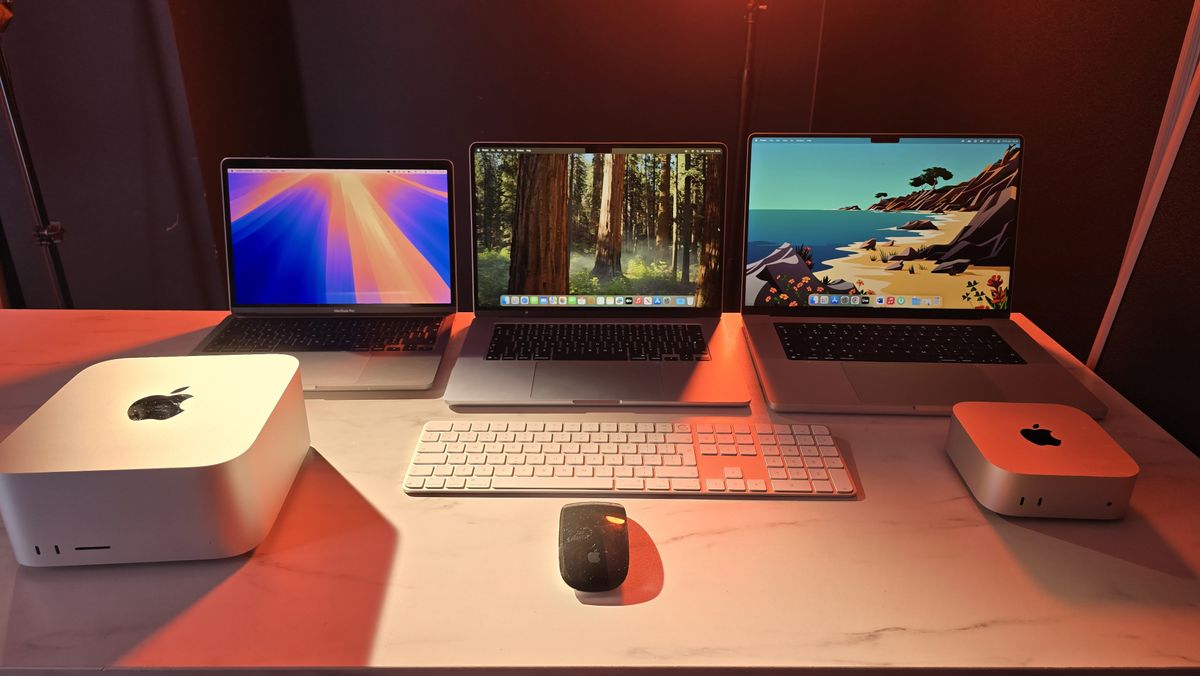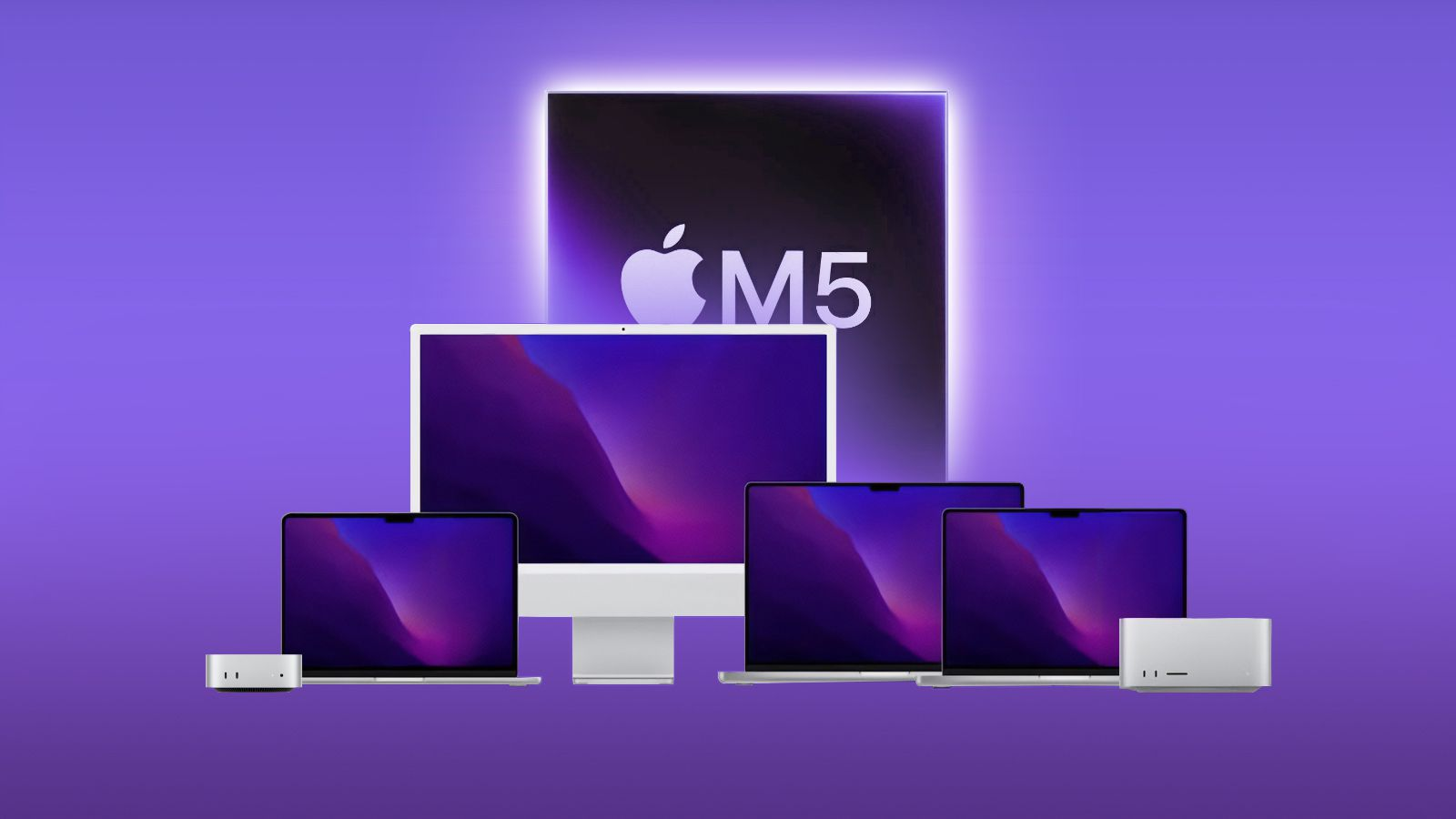
Apple is expected to introduce seven new Mac models in 2026, extending its Apple Silicon roadmap across laptops and desktops. The refresh underscores Apple’s effort to reinforce its position in an increasingly AI-focused PC market.
Apple is preparing one of its most expansive Mac refresh cycles in recent years, with reports indicating that seven new Mac models are slated for release across 2026.
The breadth of the lineup suggests more than routine updates. It reflects a strategic recalibration of Apple’s computing portfolio at a time when artificial intelligence workloads, chip competition, and enterprise upgrades are reshaping the personal computer market.
Rather than incremental iteration, Apple appears to be aligning its entire Mac family around the next phase of its silicon roadmap.
Extending the Apple Silicon cycle
Since transitioning away from Intel processors in 2020, Apple has steadily migrated its full Mac lineup to in-house silicon. The move delivered tighter integration between hardware and software, improved battery life, and performance-per-watt advantages.
The 2026 refresh is expected to push that integration further.
New MacBook Pro, MacBook Air, iMac, Mac Studio, and potentially Mac Pro variants are anticipated to incorporate next-generation Apple-designed chips. While exact specifications remain unconfirmed, the cadence aligns with Apple’s annual-to-biannual silicon iteration pattern.
The goal is consistency.
By refreshing multiple product tiers in the same year, the company can standardize capabilities such as:
- On-device AI acceleration
- GPU enhancements for creative workloads
- Unified memory architecture improvements
- Energy efficiency gains
In a market increasingly defined by AI branding, Apple’s advantage remains its control over the entire computing stack.
The AI PC race intensifies
The broader PC industry is entering what many manufacturers are calling the “AI PC” era.
Microsoft and several hardware partners have promoted machines equipped with neural processing units (NPUs) to enable local AI inference. Chipmakers including Intel and AMD are embedding dedicated AI cores into next-generation processors.
The company has long included machine learning engines in its chips, though it rarely markets Macs explicitly as AI devices.
This year’s refresh may test whether that messaging changes.
If the company emphasizes local generative AI capabilities — from coding assistants to creative automation tools — it could shift how enterprise and developer customers evaluate Mac hardware.
For creative professionals, video editors, designers, and software engineers, incremental chip improvements can significantly alter workflow performance.
Enterprise and education demand
Mac adoption in enterprise environments has grown steadily over the past decade, particularly among technology firms and design-centric organizations.
A synchronized refresh across multiple models could support broader corporate upgrade cycles.
Companies that standardized on Apple Silicon in earlier phases may now consider scaling deployments, especially if performance gains justify hardware replacement.
Education remains another strategic segment.
Lightweight MacBook Air models have historically resonated with university students and faculty. Updated models with longer battery life and AI-enhanced productivity tools could reinforce Apple’s position in higher education.
Supply chain diversification remains central
The company’s hardware expansion comes amid ongoing efforts to diversify manufacturing beyond China.
Production shifts toward India and Southeast Asia are part of a longer-term strategy to mitigate geopolitical and supply chain risk.
A wide product rollout requires operational precision.
Component sourcing, semiconductor yields, and regional distribution channels must align for simultaneous launches. Any delays could affect revenue timing across fiscal quarters.
For investors, the scale of the refresh will likely be measured not only by product announcements but also by shipment execution.
Competitive implications
Apple’s multi-model refresh places pressure on both premium Windows OEMs and smaller boutique PC manufacturers.
If Apple delivers measurable performance-per-watt improvements alongside competitive pricing tiers, rivals may struggle to match both hardware optimization and ecosystem integration.
At the same time, the Windows ecosystem retains advantages in enterprise software compatibility and gaming.
The competition is no longer about raw processing speed alone.
It centers on AI acceleration, battery longevity, and ecosystem cohesion.
A strategic reinforcement rather than reinvention
Seven new Macs do not necessarily signal a radical redesign. Apple’s approach typically favors evolutionary refinement over abrupt aesthetic shifts.
What matters more is alignment.
By updating nearly its entire lineup within a single calendar year, Apple strengthens coherence across its product family.
Developers can build against consistent silicon capabilities. Enterprises can deploy standardized fleets. Consumers can choose among tiers without sacrificing architectural parity.
In a market defined by rapid AI experimentation, stability can be a competitive advantage.
Apple’s 2026 Mac roadmap suggests that the company is betting on disciplined iteration — not dramatic disruption — to defend its position in personal computing.
The scale of the refresh underscores that Macs remain central to Apple’s long-term strategy, even as services and wearables continue to expand.