
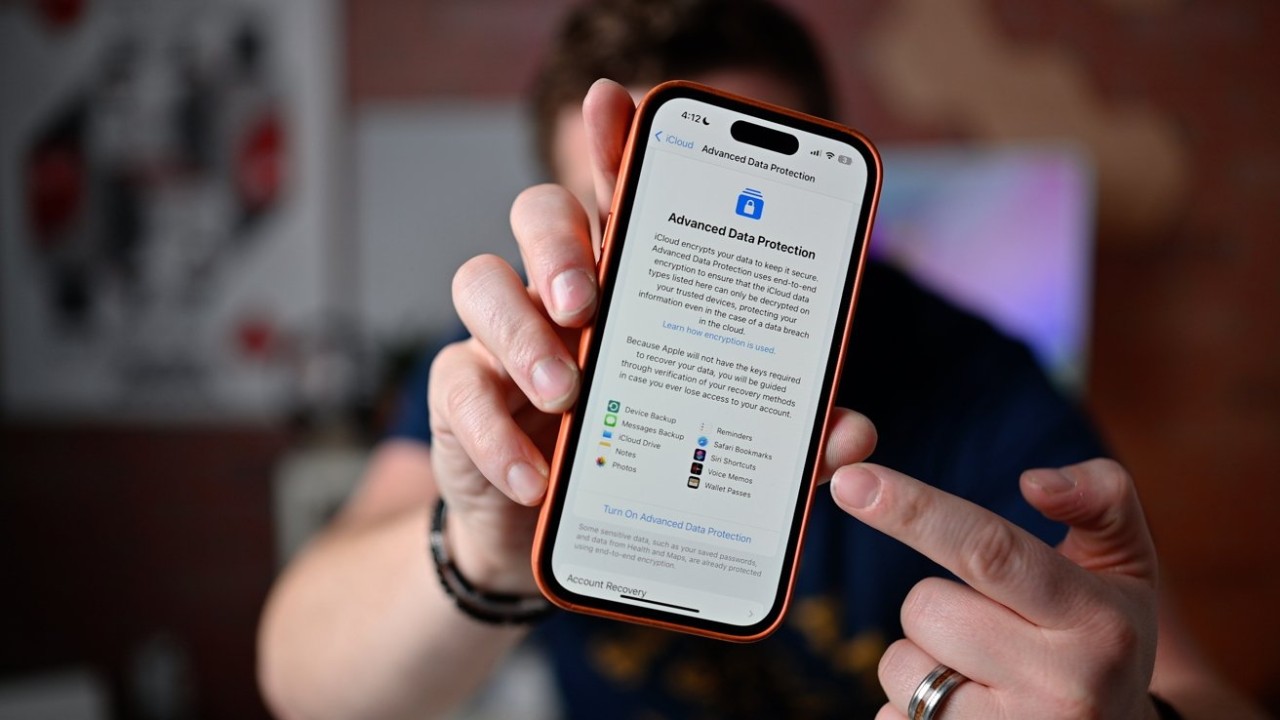
Apple will automatically enable its Stolen Device Protection feature for all supported iPhones in the upcoming iOS 26.4 release. The change strengthens safeguards against key theft and unauthorized account access.
Apple is tightening baseline iPhone security.
With the release of iOS 26.4, Stolen Device Protection will be activated by default across supported devices. Previously available as an opt-in feature, the tool adds additional authentication layers when sensitive account changes are attempted away from familiar locations.
The decision signals Apple’s growing emphasis on defensive-by-default security design.
What Stolen Device Protection does
The feature is designed to counter a specific threat scenario: device theft combined with passcode compromise.
If an attacker gains access to both a user’s iPhone and passcode, they may attempt to:
- Change Apple ID credentials
- Disable Find My
- Access saved passwords
- Modify security settings
Stolen Device Protection introduces biometric verification — such as Face ID or Touch ID — for certain high-risk actions, even if the passcode is known.
Additionally, in some cases, a security delay is imposed before sensitive changes can be completed.
By enabling the feature automatically, Apple reduces reliance on user awareness.
Why default activation matters in iOS 26.4
Security features that require manual activation often suffer from low adoption.
Turning Stolen Device Protection on by default shifts the burden from user configuration to platform architecture.
For cybersecurity professionals, this aligns with a broader industry principle: secure-by-design systems reduce human error exposure.
Mobile devices increasingly serve as gateways to financial accounts, authentication tokens, and corporate credentials.
Strengthening default protections reflects the expanding threat surface.
The broader mobile security landscape

iOS theft has evolved beyond hardware resale.
Attackers now target digital identity access, leveraging stolen devices to compromise banking apps, cryptocurrency wallets, and social media accounts.
In response, mobile operating systems have layered biometric safeguards and remote lock capabilities.
iOS 26.4 move follows a pattern of progressively embedding advanced protections at the operating system level rather than relying solely on third-party security apps.
Enterprise implications
For enterprises deploying iPhones across workforces, automatic activation simplifies device policy enforcement.
Corporate IT teams often require multi-factor authentication and biometric safeguards. Default activation reduces configuration gaps in bring-your-own-device (BYOD) environments.
The update may also reduce insurance claims related to account compromise following theft.
Privacy positioning
Apple has long framed privacy and security as competitive differentiators.
Enabling Stolen Device Protection by default reinforces that positioning at a time when digital identity theft remains a global concern.
Unlike reactive security updates tied to specific vulnerabilities, this change reflects proactive risk mitigation.
A quiet but meaningful shift
Software updates rarely generate consumer excitement. Yet incremental security enhancements can significantly alter risk exposure.
By turning on Stolen Device Protection across all supported iPhones, Apple is standardizing a higher security baseline.
The move underscores a broader industry trend: as mobile devices become central to financial and personal identity infrastructure, optional security is no longer sufficient.
Default protection is becoming the norm.



