Ubisoft has reportedly canceled six unannounced games as part of an internal restructuring effort. The move signals tighter capital discipline and a sharper focus on priority franchises amid ongoing industry volatility.
Ubisoft is tightening its development slate.
The French publisher has reportedly canceled six unannounced games, underscoring a broader effort to streamline operations and refocus investment on higher-confidence projects. While the company has not publicly detailed the specific titles affected, the scale of the cuts signals continued recalibration within the AAA gaming industry.
The cancellations arrive at a time when development costs are rising, release timelines are stretching, and investor scrutiny around profitability has intensified.
A pipeline under pressure
AAA game development has grown significantly more expensive over the past decade.
Large open-world titles now require multi-year production cycles, hundreds of developers, and increasingly complex post-launch support ecosystems. For publishers like Ubisoft, balancing creative ambition with financial sustainability has become more challenging.
Recent years have seen uneven performance across the gaming sector:
- Delayed flagship launches
- Mixed critical reception for some releases
- Subscription model experimentation
- Shifting player engagement patterns
Canceling projects mid-development is often a difficult but financially rational decision when projected returns no longer justify additional investment.
Strategic concentration on core franchises
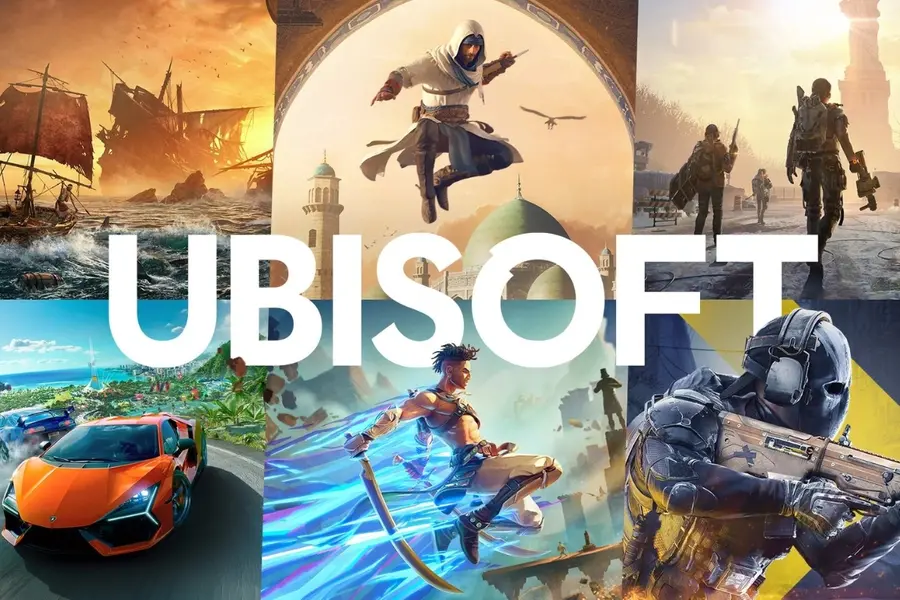
Ubisoft’s portfolio includes globally recognized franchises spanning open-world action, historical adventures, and multiplayer experiences.
In periods of uncertainty, publishers frequently concentrate resources on proven intellectual property rather than experimental or mid-tier projects.
This strategy can:
- Reduce marketing risk
- Strengthen brand continuity
- Improve return predictability
- Align production with audience demand
However, narrowing pipelines may also limit creative diversity.
For Ubisoft, the challenge is maintaining innovation while avoiding overexposure to a small set of franchises.
Industry-wide consolidation trends
Ubisoft’s reported cancellations mirror broader industry patterns.
Across 2024 and 2025, major studios reduced headcount, closed satellite teams, or shelved projects amid slowing post-pandemic growth.
The surge in gaming demand during global lockdowns proved difficult to sustain. As engagement normalized, publishers reassessed development pipelines built during peak optimism.
Additionally, competition from live-service games and free-to-play ecosystems has intensified pressure on traditional premium releases.
Publishers are increasingly cautious about greenlighting projects without strong monetization clarity.
Financial discipline returns
Publicly traded game companies are under renewed scrutiny from shareholders demanding improved margins and capital allocation discipline.
In this context, canceling six titles may signal:
- Cost containment
- Reallocation of talent to priority projects
- Improved focus on launch execution
- Reduced risk exposure
Such decisions can stabilize short-term financial outlooks but may also affect employee morale and long-term creative output.
What it means for developers
For game developers within Ubisoft, restructuring can lead to role realignment or team transfers rather than outright redundancies, though details remain unclear.
Project cancellations often free experienced staff to accelerate flagship productions or new strategic initiatives.
The gaming labor market, however, has grown more competitive as industry-wide layoffs have increased talent supply.
Developers impacted by canceled titles may face transitional uncertainty.
A cautious road ahead
The global gaming industry remains robust in overall revenue terms, but growth has moderated.
Publishers must now balance:
- Escalating production costs
- Player retention challenges
- Subscription and cloud gaming experimentation
- Platform ecosystem negotiations
Ubisoft’s decision to cancel six projects suggests a return to disciplined portfolio management.
While disappointing for fans hoping for new IP, the move reflects a broader industry reality: scale alone no longer guarantees sustainability.
In an environment defined by tighter margins and higher expectations, strategic restraint may prove as important as creative ambition.