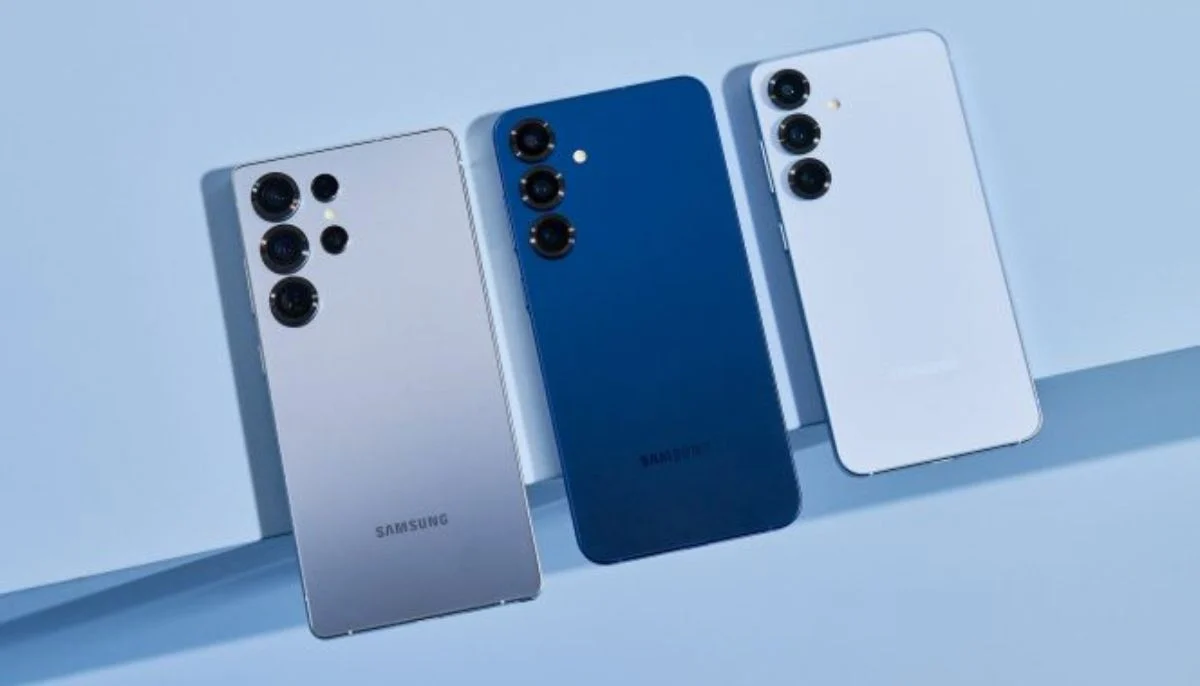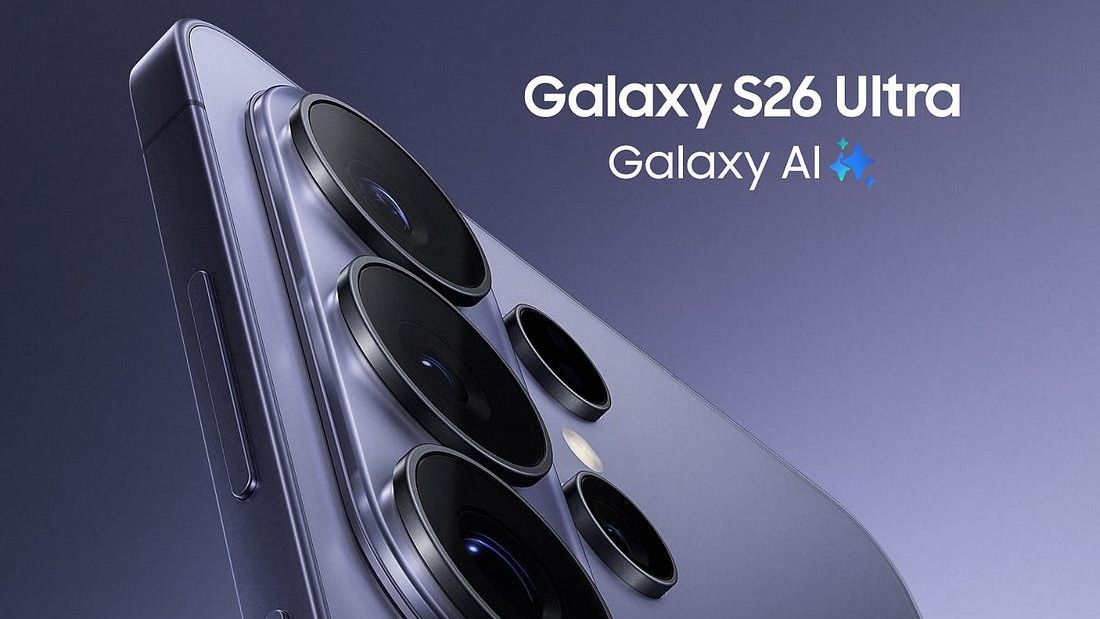
Samsung has teased the upcoming Samsung Galaxy S26, fueling debate about the growing emphasis on AI-driven features in flagship smartphones. The discussion reflects shifting priorities in the mobile industry.
Smartphone launches once centered on camera megapixels and display brightness.
Now, they revolve around AI.
Samsung’s teaser for the Galaxy S26 has reignited debate over whether flagship devices are becoming software-first products, where artificial intelligence features overshadow incremental hardware improvements.
The shift mirrors broader industry trends as smartphone hardware matures.
AI as the primary differentiator
In recent years, performance gains in processors and battery life have become incremental rather than revolutionary.
Manufacturers increasingly promote AI-powered features such as:
- Real-time language translation
- On-device image enhancement
- Context-aware personal assistants
- Predictive text and task automation
If the Galaxy S26 leans heavily into AI branding, it would signal Samsung’s commitment to competing in a software-defined hardware market.
Hardware still matters
Despite AI marketing, underlying silicon remains critical.
AI acceleration requires dedicated neural processing units (NPUs) integrated into mobile chipsets. Efficient on-device inference reduces cloud dependency and enhances privacy.
Samsung’s semiconductor division plays a central role in enabling these capabilities.
The question is not whether hardware matters — but whether consumers perceive meaningful upgrades beyond software layers.
Competitive dynamics
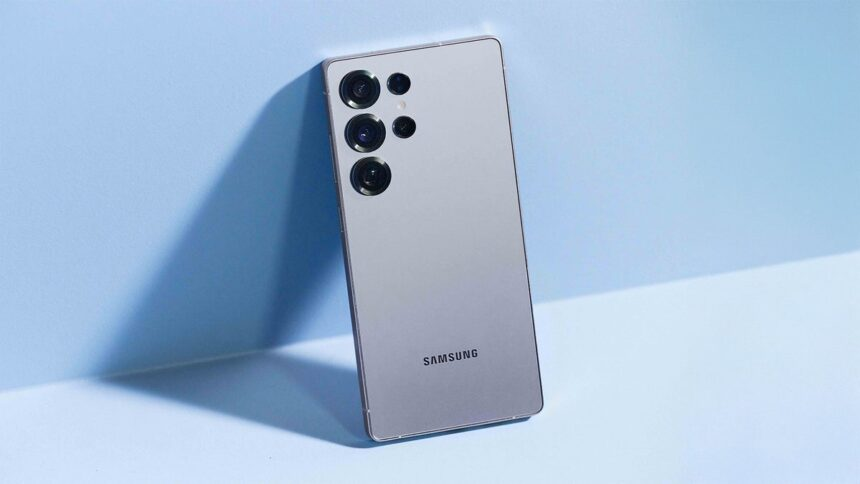
Samsung operates in a crowded flagship market alongside Apple, Chinese OEMs, and emerging Android challengers.
AI features have become central to differentiation across brands.
However, overemphasis on AI risks homogenization if competing devices offer similar capabilities powered by comparable models.
Consumers may ultimately evaluate devices on integration quality rather than raw feature lists.
Consumer fatigue or transformation?
Some analysts argue that AI-centric marketing risks consumer fatigue if practical benefits are unclear.
Others contend that AI represents the next major user interface shift — comparable to touchscreen adoption in the late 2000s.
The Galaxy S26 teaser arrives at a moment when smartphone replacement cycles are lengthening.
Convincing users to upgrade may depend on demonstrating tangible productivity or creative gains.
Regulatory and privacy considerations
As AI features expand, so do privacy questions.
On-device processing can mitigate data exposure, but cloud-connected services introduce compliance challenges across jurisdictions.
Samsung must balance AI functionality with transparent data governance policies.
The smartphone’s next identity
The Galaxy S26 debate reflects a broader transformation.
Smartphones are no longer just communication tools. They are AI hubs, mediating daily tasks, search queries, and digital identity.
Whether AI becomes a lasting upgrade driver or a marketing overlay remains to be seen.
Samsung’s teaser suggests that the company believes AI is central to the device’s identity.
In a market defined by incremental hardware evolution, intelligence — not just silicon — may determine competitive advantage.
The coming launch will reveal whether consumers agree.