
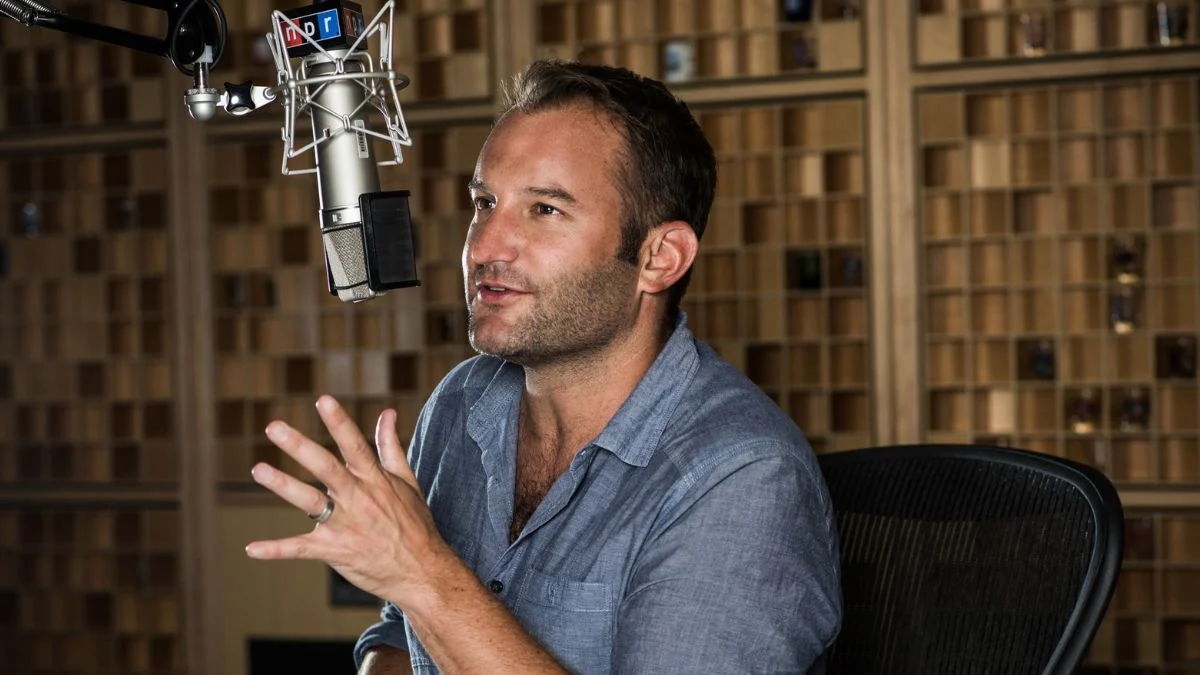
David Greene has accused Google of using a synthetic voice resembling his in an AI-powered podcast tool without consent. The allegation highlights growing legal and ethical tensions around voice cloning and AI-generated media.
The debate over AI-generated voices has moved from theory to personal grievance.
David Greene, a former NPR host, has publicly accused Google of deploying an AI-generated podcast voice that closely resembles his own. Greene described the experience as “eerie,” raising questions about consent, intellectual property, and the boundaries of synthetic media.
While Google has not confirmed wrongdoing, the dispute underscores how generative AI tools are colliding with long-established norms in broadcasting and voice rights.
The voice likeness dilemma
Voice cloning technology has advanced rapidly.
Modern AI systems can synthesize natural-sounding speech based on limited training data, capturing tone, cadence, and rhythm. For media professionals, whose voices are central to their identity and livelihood, such capabilities introduce new vulnerabilities.
The core concern in David Greene allegation is consent.
If a synthetic voice closely mirrors a recognizable broadcaster’s speech patterns without explicit authorization, the issue may extend beyond copyright into rights of publicity and likeness protections.
Legal gray areas
Current U.S. intellectual property law does not neatly address AI-generated voice replication.
Key questions include:
- Does a voice constitute protected likeness?
- Can vocal cadence or tone be copyrighted?
- What threshold defines “substantial similarity”?
Courts have historically recognized publicity rights in cases involving celebrity voice imitation. However, AI systems complicate attribution and training transparency.
Companies deploying synthetic voice tools must navigate a patchwork of state-level regulations and evolving federal guidance.
Podcasting meets automation
AI-powered podcast tools promise efficiency.
Automated narration, translation, and editing can reduce production costs and expand accessibility. Tech companies are racing to integrate these capabilities into content platforms.
However, replacing or replicating human hosts raises reputational and ethical risks.
Listeners often develop trust relationships with recognizable voices. Introducing AI-generated stand-ins without disclosure could undermine that trust.
Industry-wide implications
The David Greene case reflects broader anxiety within creative industries.
Musicians, voice actors, and journalists have increasingly voiced concerns about AI systems trained on publicly available recordings.
The controversy may accelerate calls for:
- Mandatory disclosure of synthetic voices
- Opt-in licensing frameworks
- Clear consent standards
- Transparent training data documentation
Regulatory bodies in multiple jurisdictions are already examining generative AI’s impact on creative labor.
Google’s broader AI push
Google has invested heavily in generative AI tools across search, productivity, and media platforms.
Voice synthesis is central to its ambitions in accessibility, virtual assistants, and automated content creation.
As deployment accelerates, disputes like Greene’s may test how companies balance innovation with rights protection.
A turning point for voice rights
The controversy illustrates a structural tension.
AI systems are capable of mimicking human attributes at scale. Legal and ethical frameworks, however, remain reactive.
For broadcasters and creators, the issue is not simply technological — it is existential.
If voices can be replicated without permission, the concept of vocal identity may require redefinition.
As AI-generated media becomes commonplace, clarity around consent and attribution will become essential infrastructure.
The dispute may ultimately hinge on technical specifics. But its broader significance lies in what it signals: the age of voice automation is here, and its governance is still being written.



