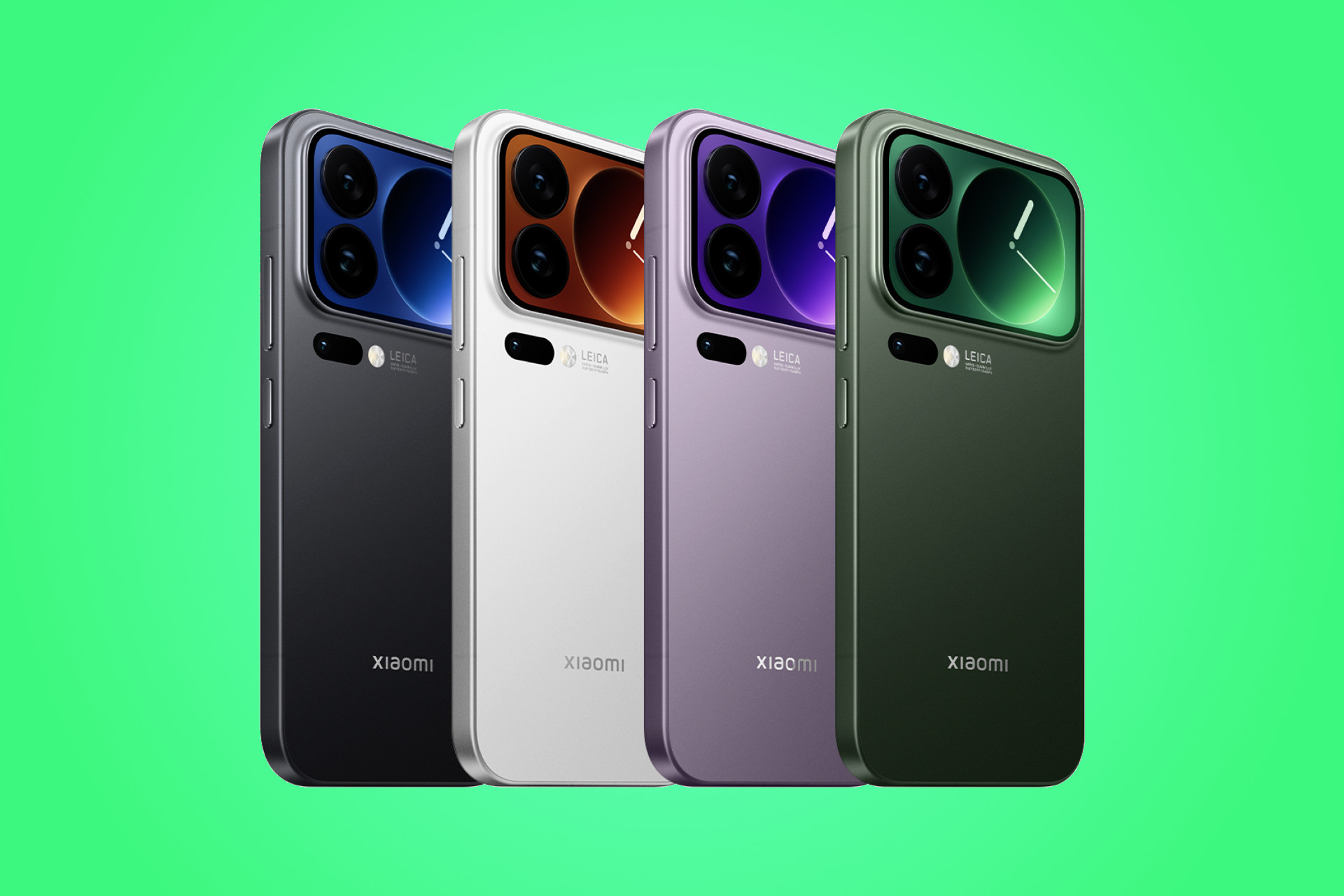
Xiaomi is reportedly launching the Xiaomi 17 series in Europe on February 28 without the rear display model. The decision suggests a shift toward streamlined flagship positioning in Western markets.
Xiaomi appears to be narrowing its European flagship strategy.
Reports indicate that the Xiaomi 17 series will debut in Europe on February 28 without the rear display-equipped variant that has been part of select premium models in prior cycles. The omission signals a recalibration of product differentiation tactics in a market that has grown increasingly price-sensitive.
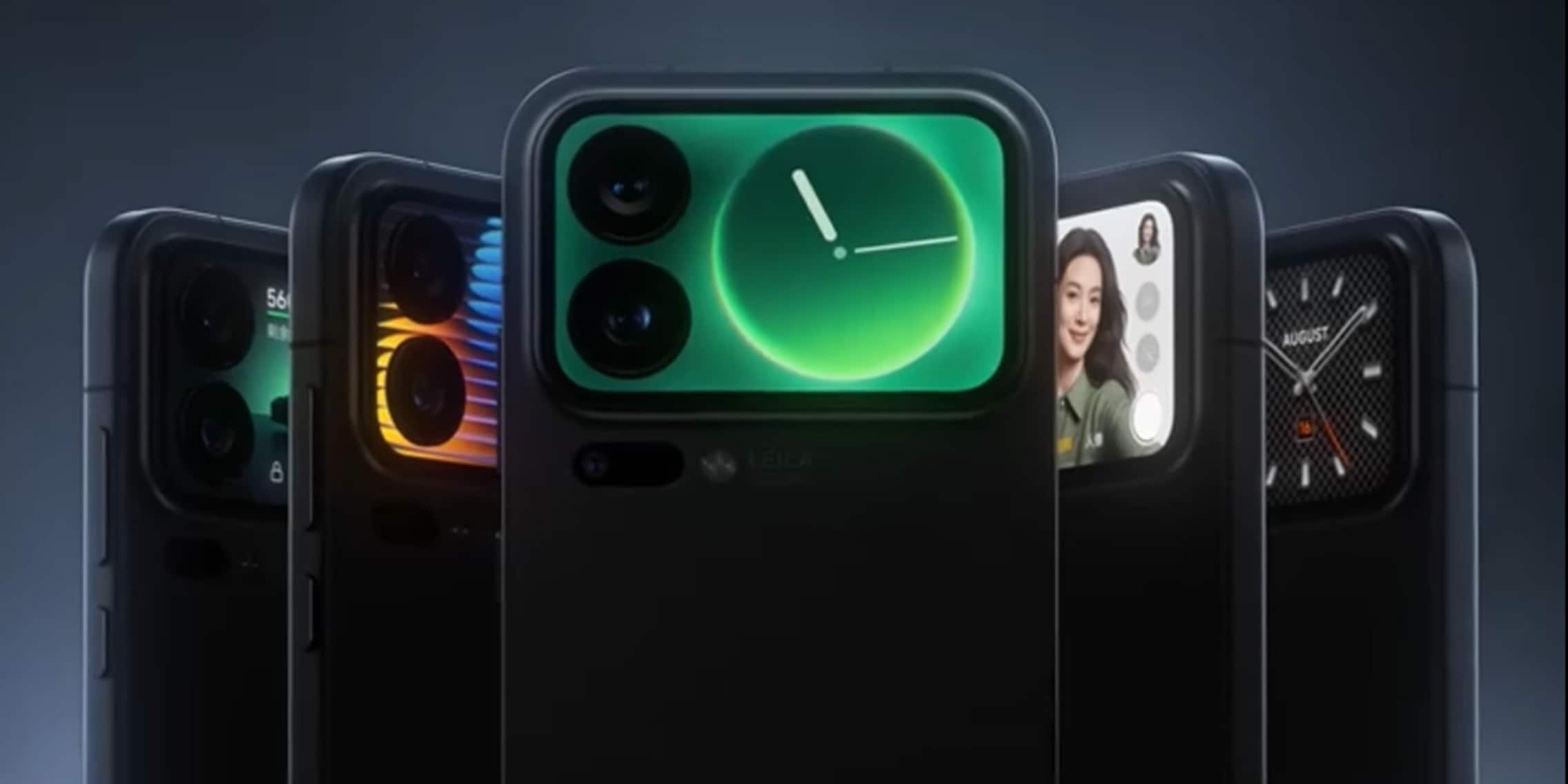
While secondary rear displays once offered novelty appeal — enabling notifications, selfie previews, or quick interactions — European demand may not justify the added production complexity.
From experimentation to efficiency
Rear display panels were positioned as a distinctive hardware flourish, appealing to tech enthusiasts seeking unconventional design elements.
However, such features add:
- Additional component costs
- Manufacturing complexity
- Battery optimization challenges
- Limited mass-market utility
European flagship buyers often prioritize camera systems, battery endurance, and software support over experimental hardware elements.
By skipping the rear display model, Xiaomi may be optimizing margins and simplifying inventory management.
Competitive landscape in Europe
Europe remains a contested smartphone market dominated by Apple and Samsung, with Xiaomi competing aggressively on price-to-performance ratios.
Flagship differentiation in 2026 increasingly centers on:
- AI-powered camera processing
- Long-term software updates
- Battery efficiency
- On-device AI acceleration
Unconventional hardware add-ons may offer limited return in a region where premium consumers evaluate ecosystem integration as much as specifications.
Cost discipline in a maturing market
Smartphone replacement cycles have lengthened across Europe.
Consumers are upgrading less frequently, placing pressure on manufacturers to balance innovation with affordability.
Streamlining product variants reduces:
- Logistics overhead
- Regional customization costs
- Channel inventory risk
The February 28 launch may therefore reflect disciplined segmentation rather than feature retreat.
AI focus over hardware novelty
The 2026 flagship cycle is increasingly AI-centric.
Manufacturers are prioritizing:
- On-device generative features
- Context-aware assistants
- Advanced photo editing tools
Such capabilities rely more on chipset optimization than on visible hardware differentiation.
If Xiaomi channels investment into AI performance instead of niche hardware experiments, the move could strengthen its competitive standing.
Brand positioning implications
Xiaomi has historically embraced bold hardware experimentation, particularly in Asian markets.
Europe, however, demands predictability and consistent support policies.
Skipping the rear display model could signal maturation in Xiaomi’s European approach — emphasizing reliability over spectacle.
A strategic simplification
The absence of a rear display variant does not indicate retreat from innovation.
Instead, it highlights a broader industry shift toward practical differentiation aligned with consumer behavior.
As February 28 approaches, attention will focus on pricing, software features, and camera performance — not on secondary screens.
In Europe’s competitive smartphone arena, disciplined refinement may prove more valuable than novelty.