
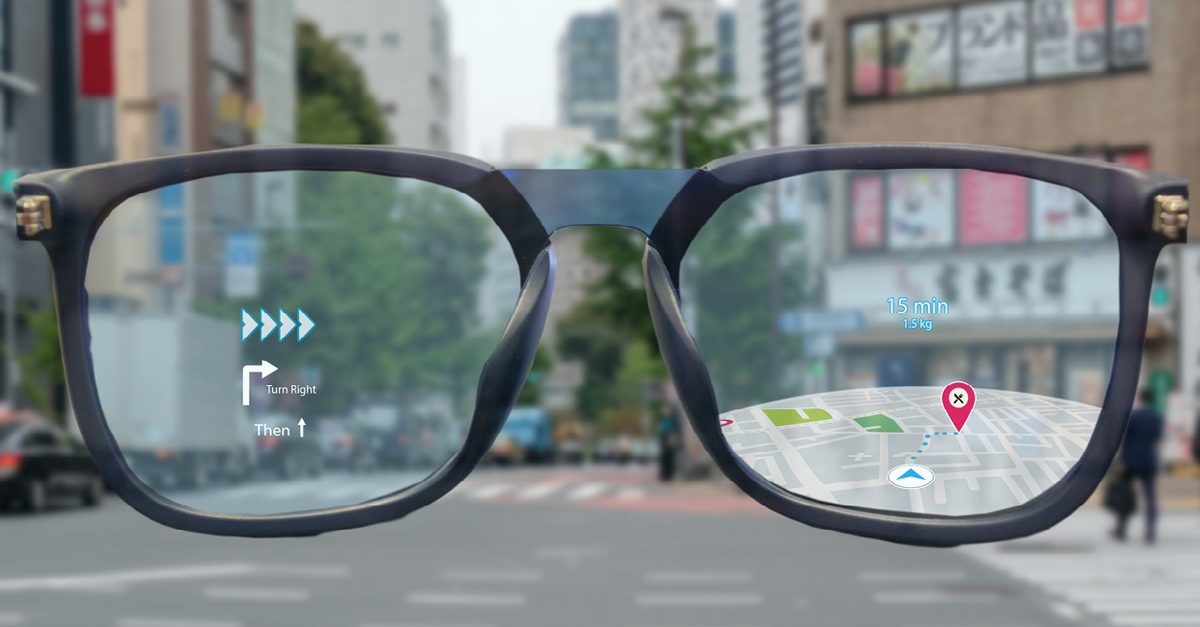
Google has announced dates for Google I/O and hinted at Gemini-powered smart glasses, signaling a renewed push into AI-driven wearable hardware.
Google is returning to wearables — this time with AI at the core.
The company has confirmed dates for its annual Google I/O developer conference and teased the possibility of Gemini-powered smart glasses. The preview suggests a strategic pivot toward embedding generative AI into augmented reality hardware.
Google’s earlier experiments with smart glasses faced adoption challenges.
This iteration arrives in a different technological climate.
Gemini as hardware catalyst
Gemini, its flagship AI model family, has been integrated across search, productivity tools, and mobile operating systems.
Embedding Gemini into smart glasses could enable:
- Real-time translation overlays
- Contextual object recognition
- Conversational assistance
- On-the-go information retrieval
The key differentiator lies in seamless AI inference rather than pure display innovation.
Wearables re-enter the spotlight
The wearable market has matured significantly since early smart glass attempts.
Advances in:
- On-device AI processing
- Battery optimization
- Micro-display technology
- Edge computing
create a more viable foundation for practical augmented reality experiences.
Competitive landscape
Major technology firms are exploring AI-powered wearables.
Smart glasses could serve as the next interface layer after smartphones, particularly if AI enables hands-free contextual computing.
Its teaser signals intent to compete in this emerging category.
Developer ecosystem role
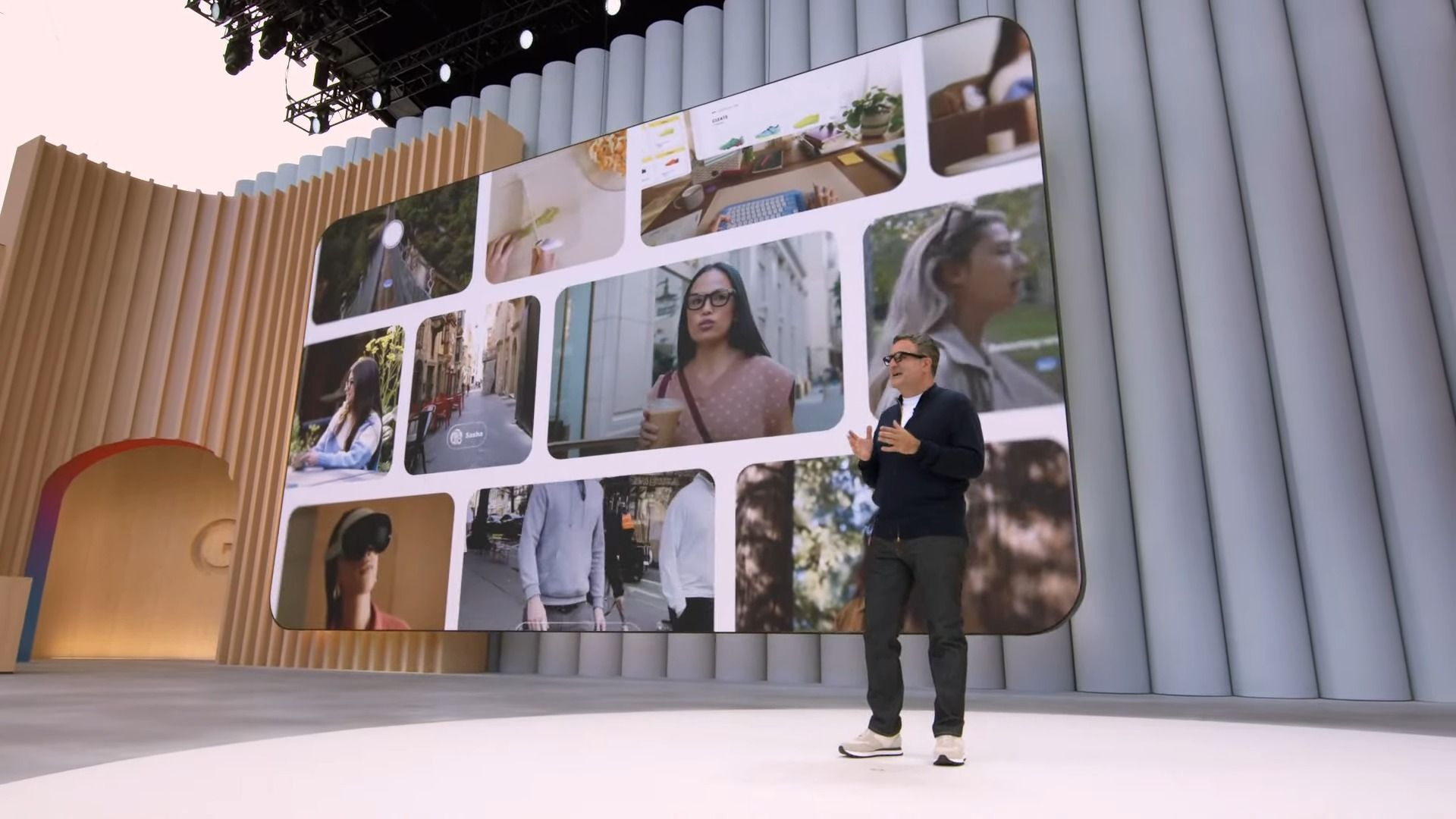
Announcing at Google I/O positions the product within a developer-centric narrative.
APIs and software frameworks will likely determine whether third-party developers build applications optimized for wearable AI experiences.
Platform success may depend on ecosystem adoption rather than hardware sales alone.
Privacy and regulatory questions
Wearable devices equipped with AI capabilities raise privacy concerns.
Real-time visual recognition and contextual awareness require clear data governance policies.
Google will need to address regulatory expectations, particularly in Europe and other privacy-focused jurisdictions.
A second chance at spatial computing
Google’s early smart glass experiment arrived before generative AI maturity.
Today’s AI capabilities could transform wearables from novelty devices into functional assistants.
Whether Gemini-powered glasses achieve mainstream adoption depends on usability, pricing, and real-world utility.
The I/O announcement signals that Google sees AI hardware convergence as inevitable.
The next phase of computing may move from handheld screens to ambient interfaces.
And Gemini could become the intelligence layer powering that transition.



