
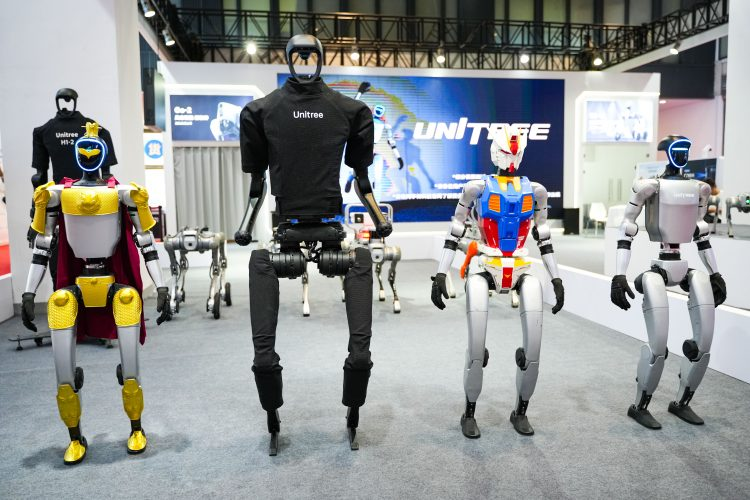
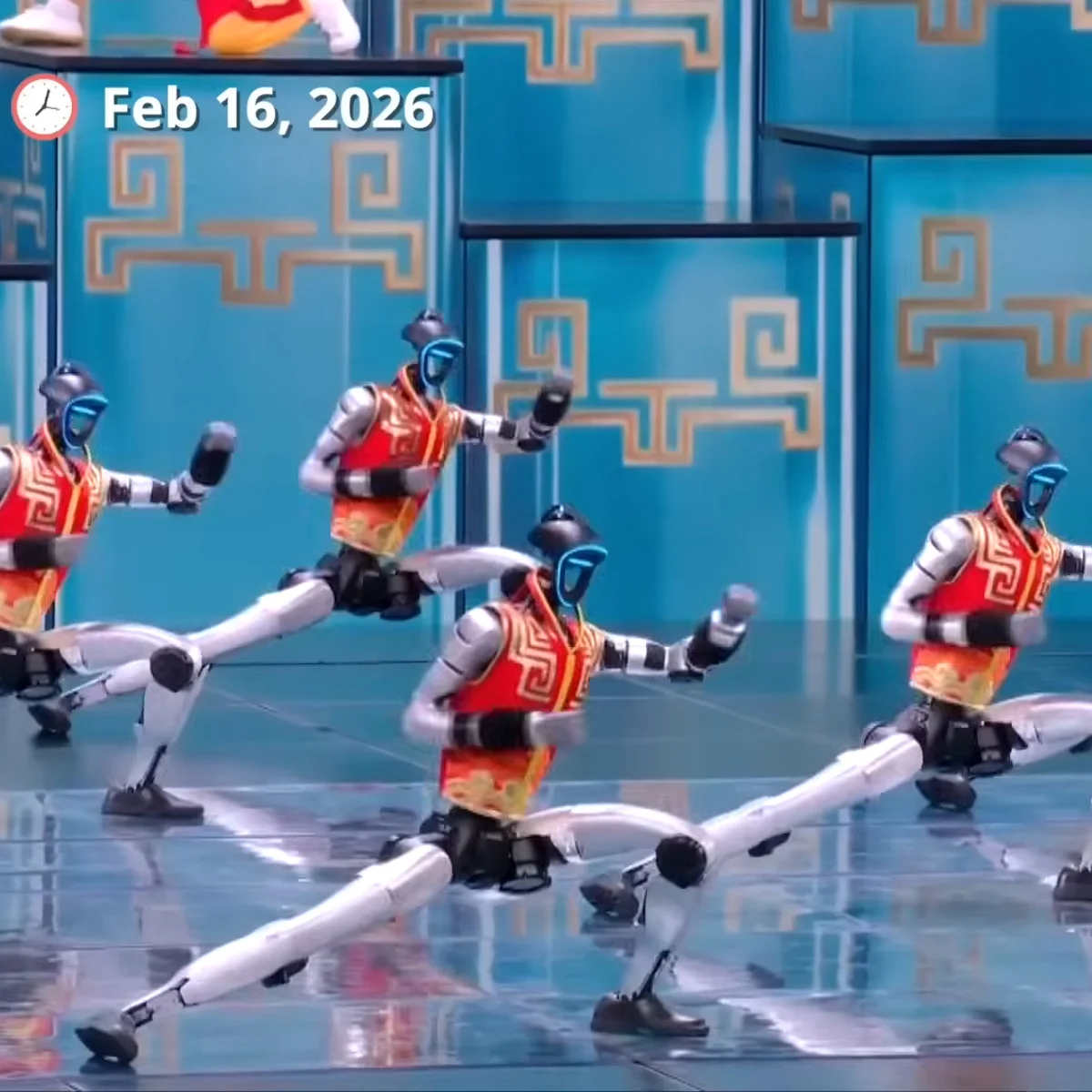
Robots featured prominently during the Spring Festival Gala — one of China’s most-watched annual broadcasts — reportedly triggered a spike in inquiries and orders for service and humanoid robotic systems. The visibility provided by the event appears to have translated into tangible demand across commercial and industrial sectors.
Public spectacle, in this case, has intersected with industrial momentum.
From entertainment to enterprise
The Spring Festival Gala serves as a cultural and technological showcase platform.
Robotic performances during the event demonstrated:
- Coordinated humanoid movement
- AI-assisted choreography
- Human-machine interaction
While staged for entertainment, such demonstrations often double as marketing signals for domestic robotics capabilities.
Post-event demand reportedly includes interest from:
- Retail centers
- Event organizers
- Hospitality operators
- Educational institutions
China’s robotics policy tailwind
China has long prioritized robotics within its industrial strategy.
Government support includes:
- Manufacturing subsidies
- AI research grants
- Industrial automation incentives
The country remains one of the largest markets for industrial robot installations globally.
Humanoid and service robotics represent the next frontier.
Commercial viability questions
Public interest does not automatically translate into sustainable industrial adoption.
Robotics commercialization depends on:
- Unit economics
- Maintenance costs
- Software reliability
- Real-world deployment scalability
While gala exposure boosts awareness, enterprise buyers typically evaluate ROI carefully.
Domestic competition intensifies
China hosts a growing number of robotics startups and established manufacturers developing:
- Service robots for malls and hotels
- Industrial automation systems
- AI-powered humanoid platforms
Increased demand could intensify competition and accelerate iteration cycles.
The robotics market often benefits from visibility-driven demand spikes, particularly when public trust improves.
Cultural impact on adoption

High-profile national broadcasts can influence consumer and enterprise perception.
Robots showcased in trusted cultural events may gain legitimacy.
This soft-power effect can reduce psychological barriers to adoption.
Broader industrial signal
The surge in demand suggests robotics is moving closer to mainstream deployment.
China’s domestic supply chain strength in electronics and AI hardware may support scaling.
As global competition in robotics intensifies, domestic demand provides critical runway.
Long-term outlook
Sustained growth will depend on consistent performance and pricing discipline.
However, visibility events can catalyze market acceleration.
China’s robotics industry now appears positioned at an inflection point — where entertainment spectacle intersects with commercial opportunity.
The question is whether demand surge translates into durable industrial scale.



