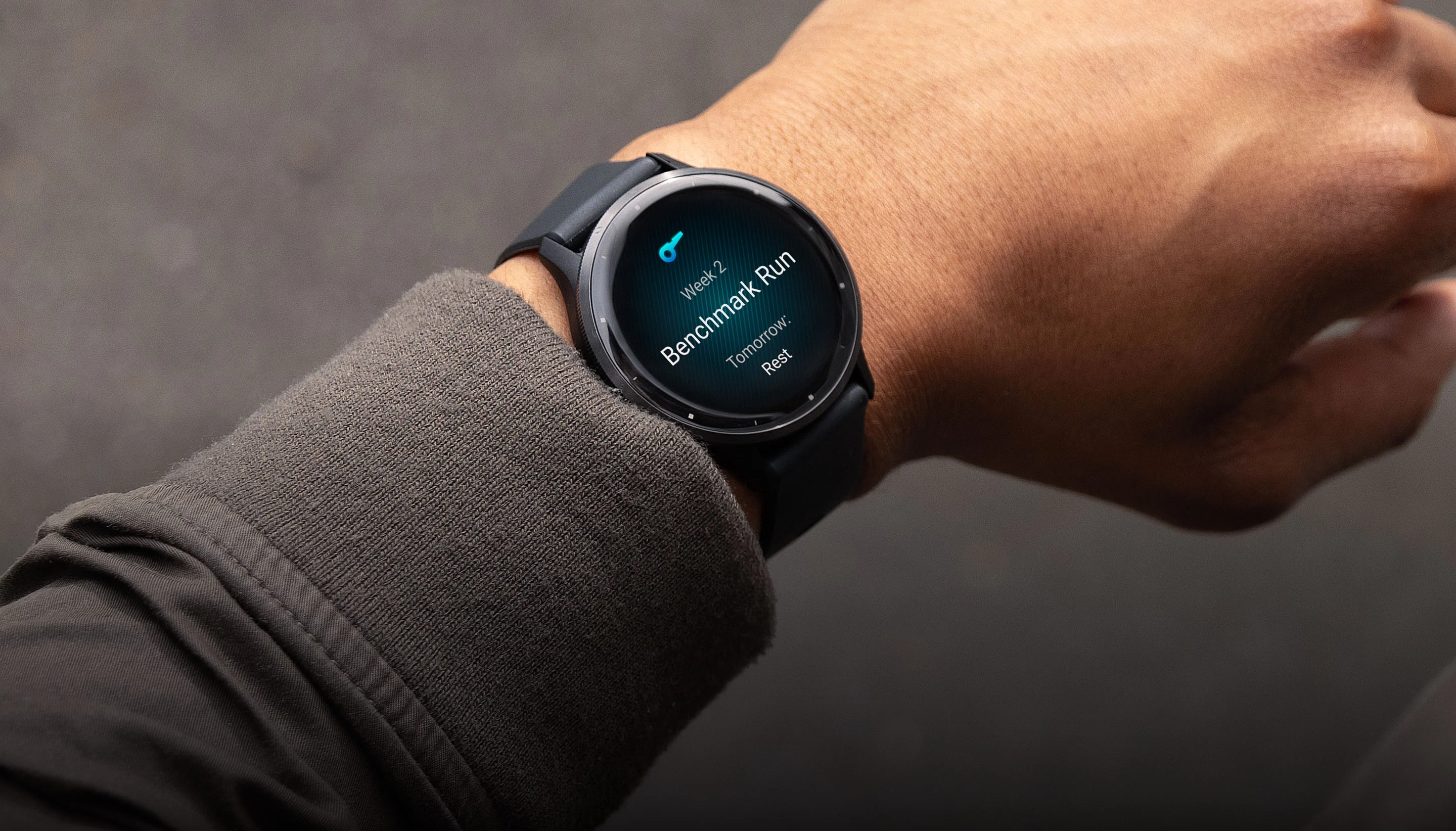
Meta is preparing to launch its first smartwatch in 2026, adding to its expanding portfolio of consumer devices. The move would place Meta more directly in competition with established smartwatch manufacturers.
Wearables increasingly function as gateways to broader digital ecosystems.
Expanding hardware ecosystem
Meta has invested heavily in hardware categories including:
- Virtual reality headsets
- Augmented reality development
- Smart glasses initiatives
A smartwatch could serve as:
- A companion device
- A health and fitness tracker
- An interface for AI assistants
Integration with Meta’s software ecosystem may differentiate it from purely hardware-centric rivals.
AI-driven functionality
Future wearables are increasingly powered by AI features such as:
- Context-aware notifications
- Health monitoring analytics
- Voice-based assistance
- On-device personalization
Meta’s AI investments may influence smartwatch functionality.
However, competing in health-focused wearables requires regulatory compliance and sensor precision.
Competitive landscape
The smartwatch market includes established players with mature ecosystems.
Market entry barriers include:
- Hardware engineering expertise
- Battery optimization
- Supply chain reliability
- App ecosystem support
The company’s scale provides resources, but consumer trust and ecosystem integration remain critical.
Strategic positioning
Wearables provide persistent data streams and user engagement touchpoints.
A smartwatch could enhance:
- Messaging integration
- Social media notifications
- Fitness and lifestyle tracking
Such integration strengthens platform stickiness.
Market timing
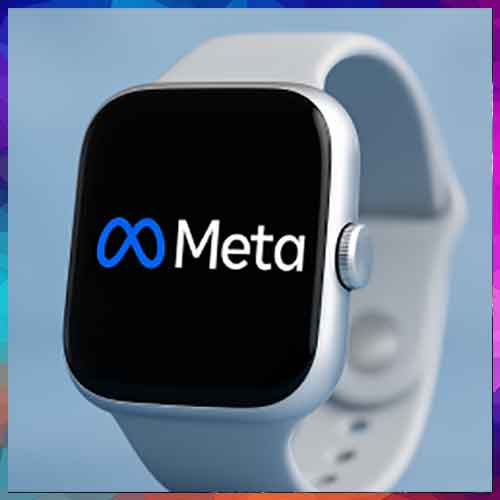
Launching in 2026 positions Meta amid growing consumer adoption of wearable devices.
However, competition is intensifying as more companies explore AI-integrated wearables.
Differentiation will likely depend on ecosystem coherence rather than standalone features.
Long-term outlook
Meta’s reported smartwatch initiative signals continued commitment to hardware expansion.
Consumer hardware provides strategic leverage in platform control and data integration.
Yet hardware margins differ from software monetization models.
Execution will determine viability.
In the evolving tech landscape, devices are no longer endpoints.
They are nodes in interconnected ecosystems.
Expanding to the wrist could represent another step toward deeper user integration.