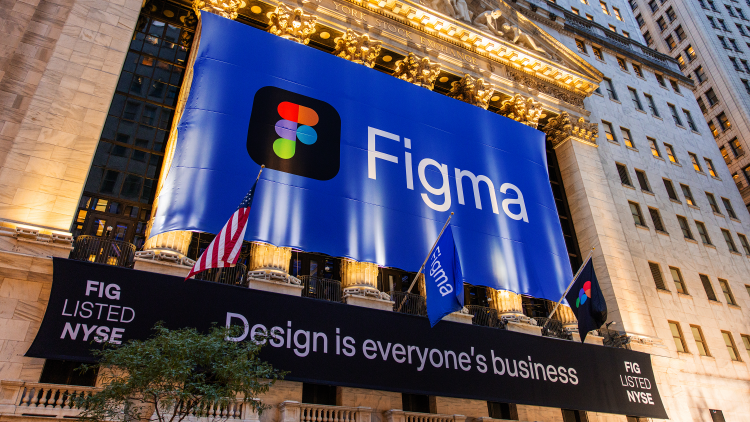
Figma reported fourth-quarter earnings that surpassed market expectations, prompting a rise in its share price. The results suggest steady demand for cloud-based collaboration tools despite broader technology sector volatility.
Investors responded positively, viewing the quarter as evidence of durable subscription revenue and enterprise adoption.
Collaboration as Core Infrastructure
Figma’s browser-based platform has become a central tool for product design teams.
Unlike legacy desktop software, its real-time collaboration features allow distributed teams to co-create prototypes and interface designs.
As hybrid work persists, collaborative SaaS platforms remain embedded in corporate workflows.
Strong quarterly performance indicates that design software continues to command budget priority even as companies scrutinize discretionary spending.
Enterprise Expansion
In recent years, Figma has expanded beyond startups into large enterprises.
Enterprise contracts typically offer higher average revenue per customer and more predictable renewal cycles.
A Q4 earnings beat suggests traction within this segment.
For SaaS companies, enterprise penetration often serves as a signal of product maturity and scalability.
AI Integration in Design
The broader design software market is integrating AI-powered features, including automated layout suggestions and asset generation.
While earnings results center on financial metrics, long-term growth may depend on successful AI integration.
Embedding intelligent assistance directly into design workflows could increase platform stickiness and reduce churn.
For Figma, balancing innovation with user experience simplicity remains critical.
Market Context

The SaaS sector has faced valuation resets amid rising interest rates and investor focus on profitability.
Companies demonstrating revenue durability and operating leverage are being rewarded more selectively.
Figma’s earnings beat positions it within a narrower cohort of software firms sustaining momentum.
Competitive Landscape
The collaborative design market includes established players and emerging tools offering AI-native features.
Figma’s advantage lies in network effects: teams standardize on shared platforms to streamline workflows.
Strong quarterly results reinforce that competitive moat — at least in the near term.
Outlook
Investors will look for sustained revenue growth and disciplined cost management in upcoming quarters.
For the broader SaaS ecosystem, Figma’s performance provides a data point suggesting that mission-critical collaboration tools remain resilient.
In a market recalibrating expectations, earnings beats carry disproportionate weight.
Figma’s Q4 results indicate that, even amid macroeconomic caution, enterprise design and collaboration remain strategic priorities rather than optional spend.