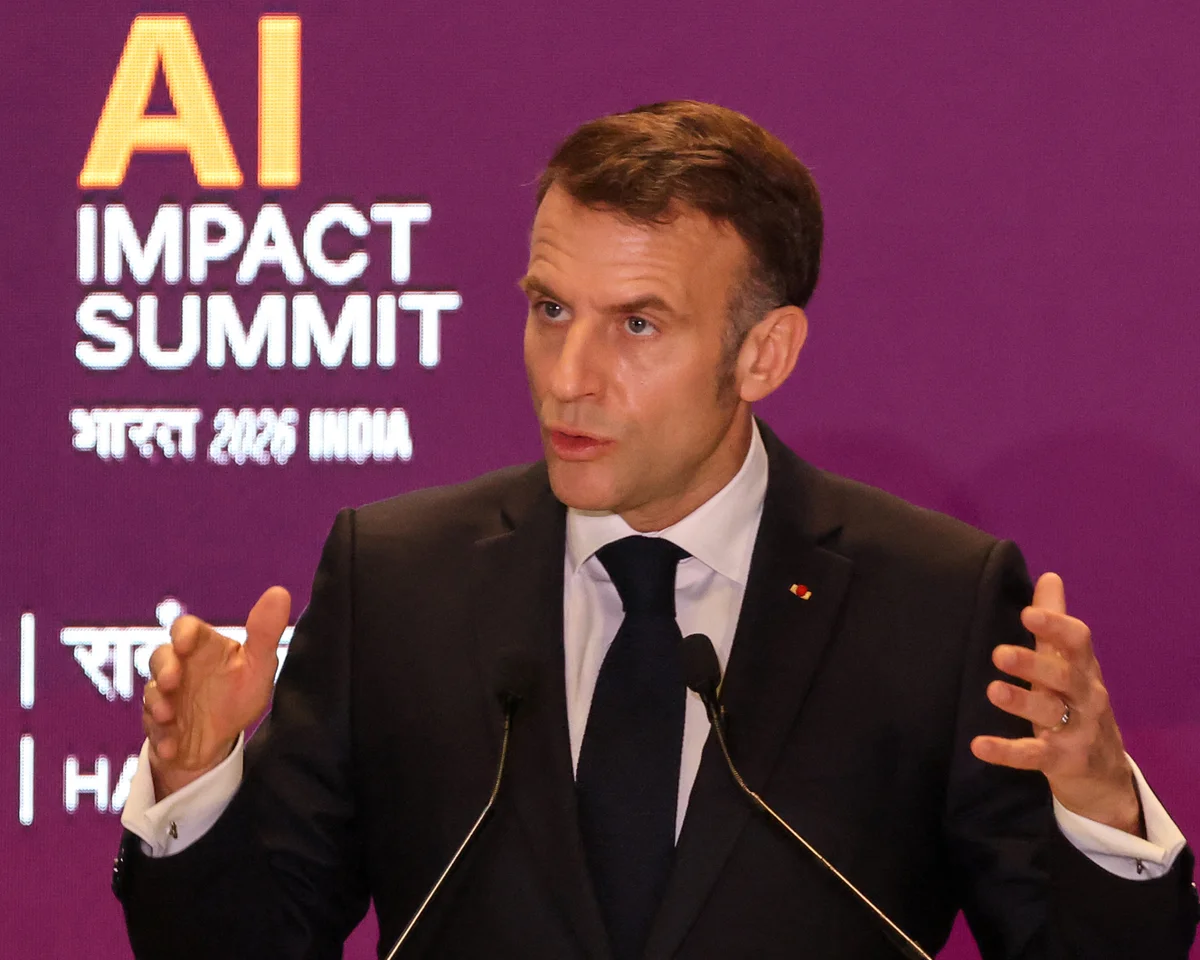
Emmanuel Macron publicly defended the European Union’s AI regulatory framework while calling for stronger child protection measures in digital platforms. The comments reinforce Europe’s positioning as a global advocate for structured AI governance.
As AI deployment accelerates across sectors, European leaders are balancing innovation incentives with social safeguards.
Reinforcing the EU’s Regulatory Path
The European Union has advanced one of the world’s most comprehensive AI rulebooks, often referred to as the AI Act.
Macron’s defense of the framework signals continued political support at the highest levels of government.
The EU approach emphasizes risk categorization, transparency obligations, and safeguards for high-impact AI systems.
Supporters argue that clear rules foster trust and long-term adoption. Critics caution that regulatory complexity could slow innovation.
Focus on Child Protection
Macron’s remarks highlighted the need to strengthen protections for children in digital environments.
AI-driven recommendation systems and generative tools raise concerns about exposure to harmful content or manipulative design patterns.
Child protection measures may include:
- Stricter age verification mechanisms
- Algorithmic transparency requirements
- Enhanced moderation standards
- Restrictions on high-risk AI applications targeting minors
These considerations extend beyond AI into broader platform governance debates.
Europe’s Strategic Position
Europe has historically taken a regulatory leadership role in digital policy, from data protection to competition law.
By defending AI rules, Macron reinforces the EU’s strategy of shaping global standards rather than reacting to technological change.
For European startups, the regulatory environment introduces compliance obligations but also creates predictable operating conditions.
For multinational firms, alignment with EU rules often influences global product design due to market size and enforcement credibility.
Innovation Versus Oversight
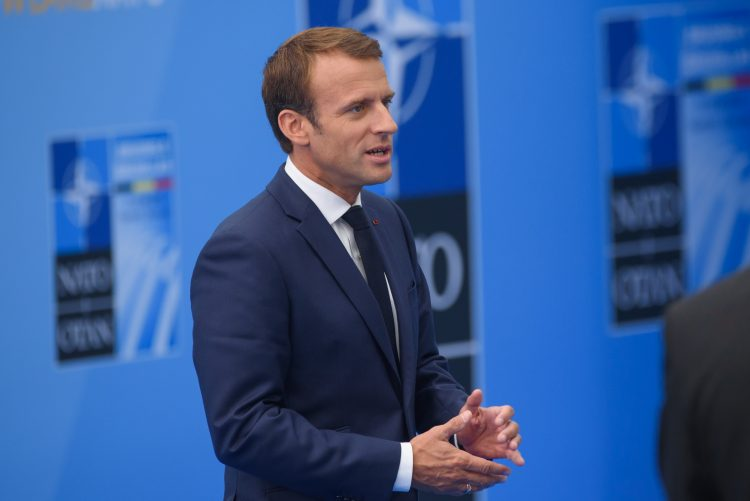
The debate over AI governance centers on balancing competitiveness with consumer protection.
Europe aims to avoid both regulatory vacuum and overreach.
Macron’s comments suggest that child safety remains a politically salient priority within AI policymaking.
As AI systems increasingly integrate into education, entertainment, and communication platforms, regulatory guardrails are likely to expand.
Broader Global Implications
Global AI governance remains fragmented.
The United States has pursued a more sector-specific approach, while several Asian countries emphasize industrial competitiveness.
Europe’s structured regulatory model may influence international standards, particularly in markets seeking guidance on AI risk management.
Macron’s defense of EU rules signals continuity rather than retreat.
As AI systems become embedded across economic and social infrastructure, Europe’s regulatory philosophy will continue to shape debates over safety, innovation, and digital rights.