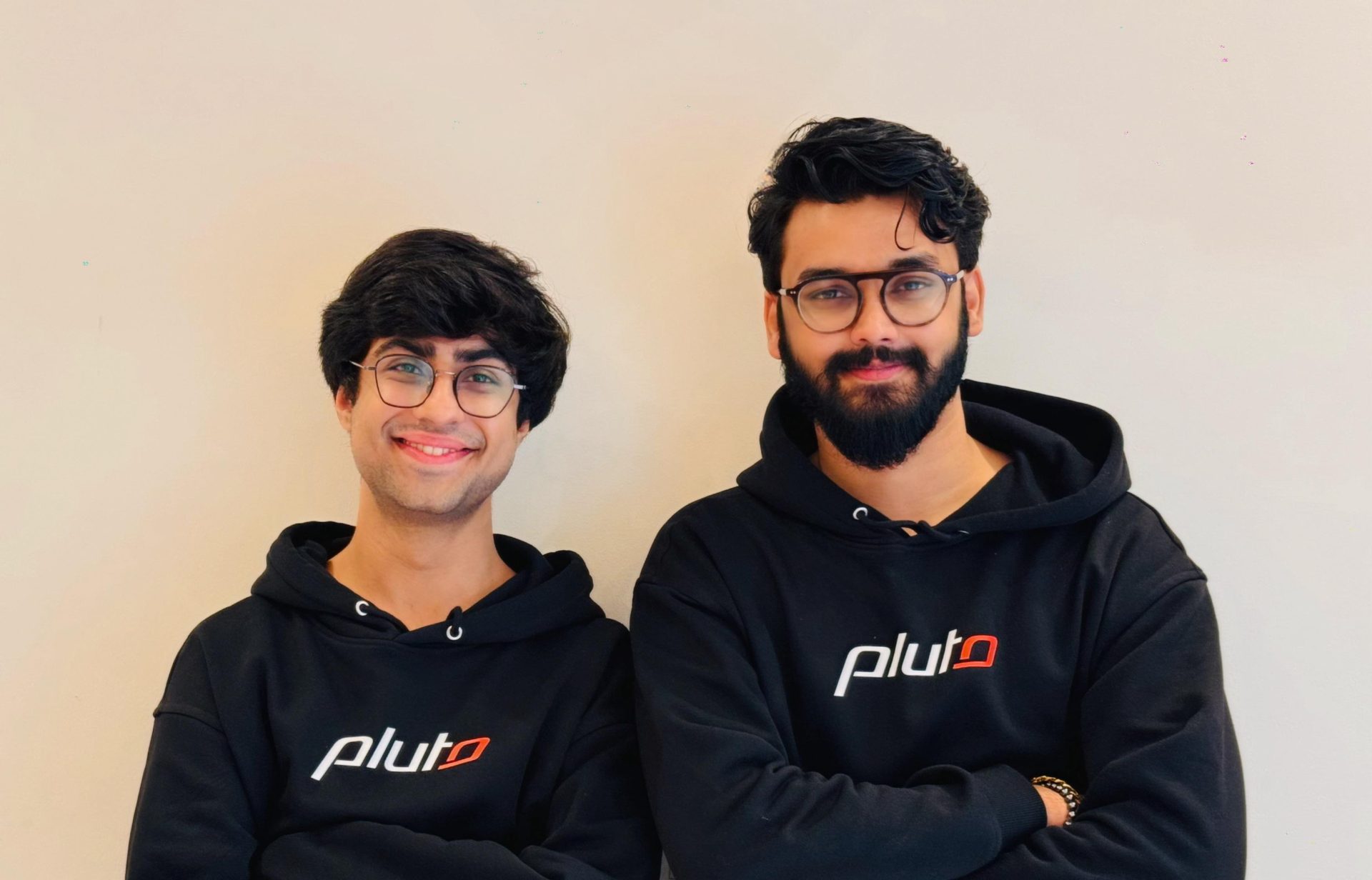
Pluto Mobility, a Delhi-based electric mobility startup, has raised $2 million in seed funding to build delivery-grade electric vehicles designed specifically for last-mile logistics. The round was led by Version One Ventures with participation from Grad Capital, alongside angel investors including founders and senior executives from companies such as Delhivery, OfBusiness, Pixxel, and Boom Supersonic.
The capital will be used to expand engineering and product development capabilities, scale the team, and prepare for pilot deployments across key Indian urban markets in 2026.
Rethinking the Vehicle for Delivery Workloads
Most last-mile fleets in India rely on standard two-wheelers originally designed for personal transportation.
These vehicles were not engineered for:
- High-frequency, multi-drop delivery routes
- Continuous commercial usage
- Heavy load-bearing requirements
- All-weather protection
As a result, logistics operators face a trade-off: overload personal scooters at the expense of safety and durability, or deploy larger vehicles that struggle in dense city streets.
Pluto Mobility’s solution is a fully covered, scooter-sized electric vehicle engineered from the ground up for delivery throughput. The vehicle is designed to carry up to twice the number of orders per trip compared to conventional two-wheelers while preserving maneuverability in crowded urban environments.
A Design Built for Indian Conditions
India’s last-mile logistics market is shaped by narrow lanes, traffic congestion, monsoon weather, and high delivery density driven by quick-commerce platforms.
Pluto’s vehicle form factor remains compact but enclosed, allowing riders to operate in harsh weather conditions while maintaining load capacity.
By engineering specifically around logistics use cases, the startup aims to improve:
- Order throughput per trip
- Vehicle reliability under commercial strain
- Rider safety
- Fleet economics
The company argues that incremental modifications to personal vehicles are insufficient for delivery at scale.
“India’s last-mile challenge isn’t speed, incentives, or apps. It’s that delivery operations are built on vehicles never designed for delivery workloads,” said Akshat Bhatia, CEO and co-founder of Pluto Mobility.
EV Logistics Market Opportunity
India’s last-mile delivery market has expanded rapidly alongside e-commerce and quick-commerce platforms.
Electric vehicles are increasingly favored for:
- Lower operating costs
- Reduced fuel dependency
- Compliance with urban emission regulations
However, most electric two-wheelers mirror consumer vehicle designs rather than commercial-grade platforms.
By positioning itself between lightweight scooters and bulkier three-wheelers, Pluto Mobility is targeting a structural gap in the fleet mix.
Investor Perspective
Version One Ventures, an early-stage fund known for backing technology-driven infrastructure plays, sees delivery-grade EV design as a differentiated opportunity.
“Pluto Mobility is taking a fundamentally different approach to last-mile delivery by designing vehicles specifically for throughput and operational reliability,” said Boris Wertz, Founding Partner at Version One Ventures.
The involvement of logistics and deeptech operators as angel investors suggests early industry validation of the vehicle concept.
Pilot Deployments Ahead
Pluto Mobility plans to begin pilot deployments later this year, focusing on e-commerce and quick-commerce delivery use cases.
The pilot phase will test:
- Vehicle durability under high-volume routes
- Real-world battery performance
- Fleet operator integration
- Unit economics
If successful, the company could scale production to meet growing demand from logistics firms seeking optimized fleet solutions.
A Structural Logistics Problem
India’s last-mile sector has focused heavily on software optimization — route planning, rider incentives, and real-time tracking.
Pluto Mobility’s thesis is that hardware remains an under-addressed constraint.
Improving the vehicle itself could unlock higher throughput without increasing rider hours or operational complexity.
As urban delivery volumes continue rising, engineering purpose-built vehicles may become a necessary evolution rather than an optional upgrade.
For India’s mobility startups, the opportunity lies not only in electrification — but in redesigning vehicles around the realities of modern logistics.