India’s children’s nutrition aisle has long been shaped by a familiar promise: taller, stronger, ahead. For decades, brands have leaned into height as a proxy for success, tapping into parental anxieties around growth and development.
Little Joys is attempting to disrupt that narrative not with louder claims, but with measurable proof. Founded by Revant Bhate, the brand positions itself against what it describes as a legacy of “height anxiety marketing,” where outcomes are implied rather than scientifically grounded.
A Category Built on Suggestion
The children’s nutrition segment in India has historically relied on suggestive messaging. Words like “growth” and “stronger” dominate packaging and advertising, often blurring the line between nutritional support and guaranteed outcomes.
Scientific consensus, however, presents a more nuanced picture. Height is largely determined by genetics, with nutrition, sleep, and environment playing supporting roles rather than decisive ones. Global health bodies have consistently linked growth issues such as stunting to chronic undernutrition and disease not the absence of specialized “growth products.”
Yet the marketing narrative has continued to emphasize height as a central metric, reinforcing early parental concerns about comparative development.
Reframing the Value Proposition
Little Joys’ approach is to move the conversation from outcomes to inputs.
Its milk mix, Nutrimix, is built around natural ingredients, with no added preservatives or refined sugars, and is developed with pediatric input. Instead of emphasizing aspirational benefits, the brand focuses on measurable nutritional content.
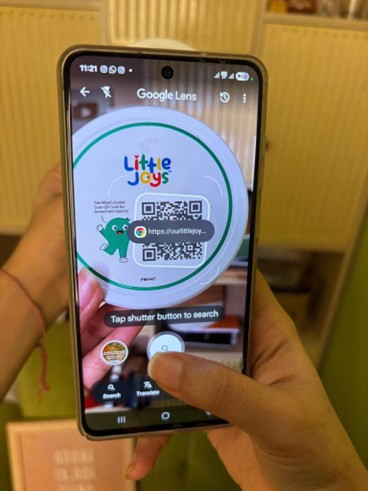
At the core of this strategy is its “Honest Report” initiative. Each batch of Nutrimix is accompanied by third-party lab results detailing protein levels and testing for heavy metals.
This level of disclosure is uncommon in the category, where ingredient lists are often lengthy but not always transparent in terms of actual nutritional value.
Transparency as Differentiation
In a crowded FMCG segment, differentiation typically comes from branding, distribution, or pricing. Little Joys is betting on transparency as a competitive advantage.
By publishing lab reports batch-by-batch, the company shifts the burden of evaluation to the consumer effectively inviting scrutiny rather than avoiding it. This aligns with a broader consumer trend in India toward clean labels and ingredient awareness, particularly in products aimed at children.
Extending Messaging to the Point of Purchase
The brand’s strategy is not limited to packaging.
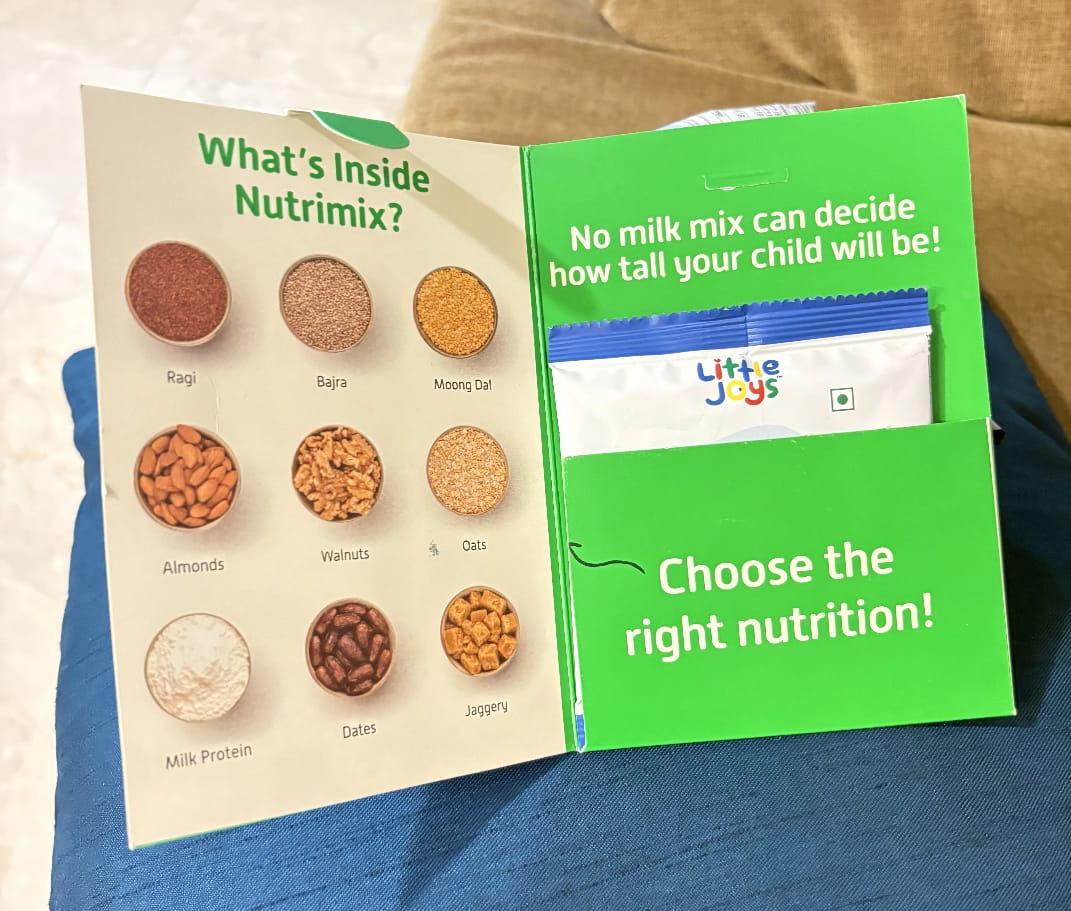
Through integrations with platforms like Blinkit, Little Joys inserts educational notes and samples into relevant orders, reaching parents at the moment of decision-making.
These inserts encourage consumers to question height-based claims and focus instead on nutritional inputs turning distribution into a channel for awareness, not just sales.
This reflects a shift in how direct-to-consumer and digital-first brands are using logistics networks as communication layers.
Building Trust in a Skeptical Market
Little Joys’ broader portfolio includes multivitamin gummies, snack foods, and milk mixes, all positioned around natural ingredients and pediatric guidance.
Its tagline “Approved by moms, Loved by kids” underscores an attempt to balance credibility with relatability, though the brand’s core differentiation remains its emphasis on verifiable claims.
For parents navigating an increasingly crowded nutrition market, trust is becoming as important as price or convenience.
A Wider Industry Shift
The emergence of brands like Little Joys points to a gradual recalibration in India’s consumer health segment.
As regulatory scrutiny increases and consumers become more informed, marketing-led differentiation may give way to evidence-based positioning.
For incumbents, this could require rethinking long-standing messaging frameworks built around aspirational outcomes.
For startups, it creates an opportunity to redefine category norms.
From Claims to Proof
Little Joys is not merely launching products it is challenging the underlying playbook of the category. By moving from implied benefits to documented evidence, the brand reflects a broader shift in consumer expectations: from promises to proof.
If this approach gains traction, the long-term impact may extend beyond a single brand reshaping how children’s nutrition is marketed, evaluated, and trusted in India.