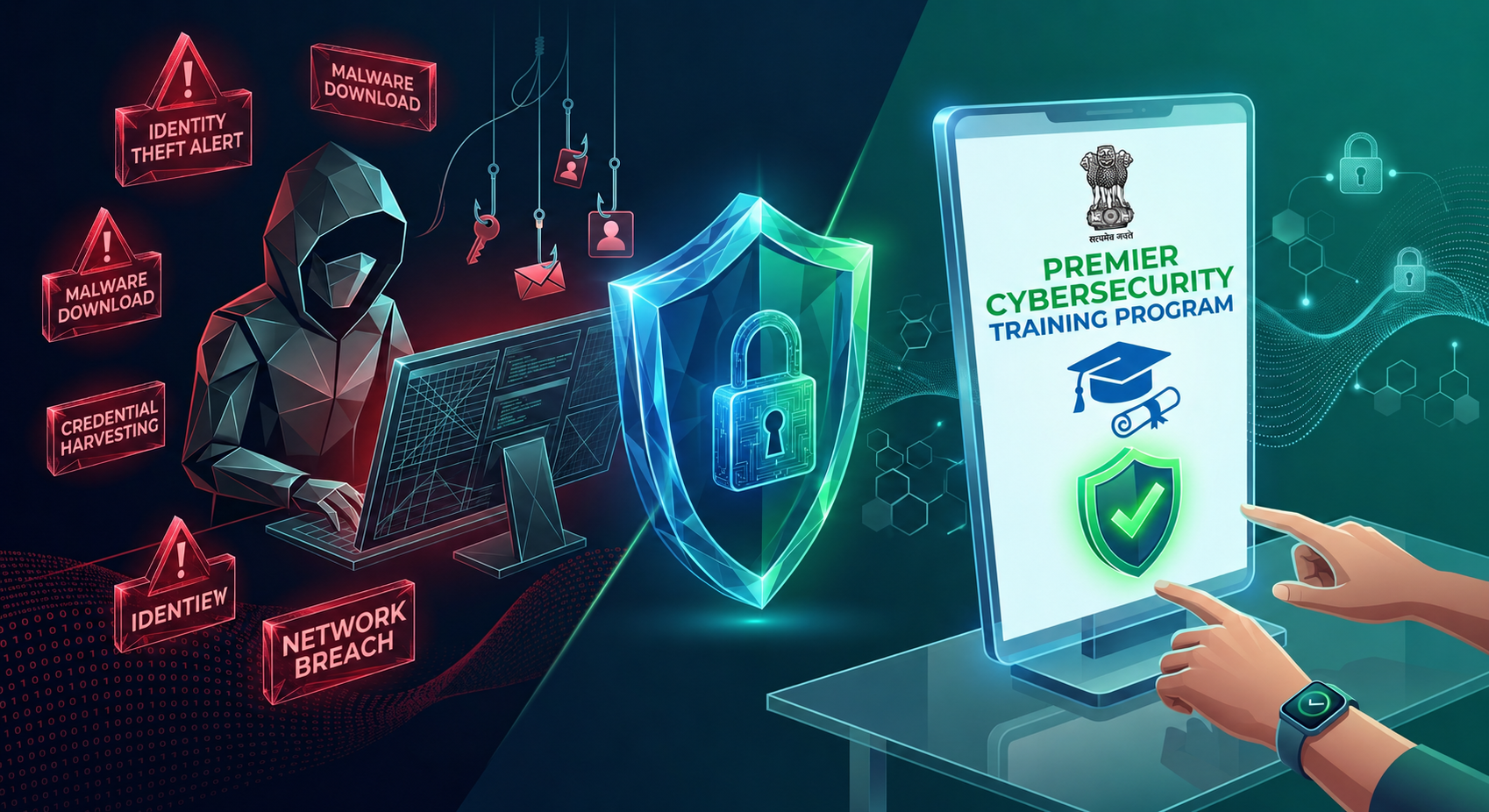
The Digital Lifeline: India’s National Push for Citizen Cyber Hygiene
As digital banking, e-governance, and UPI transactions become deeply integrated into the daily lives of Indian citizens, cybercriminals are launching increasingly sophisticated digital sieges. Recognizing that technological defenses are only as strong as the people using them, the Government of India has taken a massive proactive step. Through the Indian Cyber Crime Coordination Centre (I4C)—a specialized wing operating under the Ministry of Home Affairs (MHA)—the government has launched a free, 2.5-hour online cybersecurity course.
This short, high-impact certification program is designed to arm everyday citizens, students, working professionals, and senior citizens with the fundamental tools required to recognize, prevent, and report rampant digital fraud. Rather than focusing on complex, back-end engineering, this foundational initiative aims to establish a nationwide "digital immune system" by teaching practical cyber hygiene to millions of internet users across India.
Why the Ministry of Home Affairs is Targeting Mass Digital Literacy
Traditional cybersecurity courses are often highly technical, expensive, and tailored exclusively for IT professionals. The I4C initiative deliberately breaks this mold by prioritizing accessible, rapid-response public education.
Key Objectives of the I4C Cyber Hygiene Initiative:
Democratizing Digital Safety: By removing financial and logistical barriers, the program ensures that high-quality cyber defense training is accessible to everyone, from a tech-savvy student in Bengaluru to a senior citizen in rural India.
Proactive Prevention Over Damage Control: Instead of reacting after financial loss has occurred, the course trains users to spot systemic warning signs before clicking a malicious link or sharing an OTP.
Rapid Upskilling: In just 150 minutes (2.5 hours), participants cover essential modules, complete a baseline assessment, and earn an official government-backed certification.
Addressing the Human Element: Since modern financial scams exploit human psychology rather than software vulnerabilities, the curriculum focuses heavily on social engineering tactics.
The Anatomy of Indian Cyber Fraud: Real-World Scams Exposed
The launch of this digital hygiene program comes at a critical time. In India, deceptive tactics have evolved far beyond basic phishing emails. Fraudsters now execute highly targeted, localized scams that create overwhelming panic or capitalize on an individual's desire for financial convenience.
Prevalent Cyber Threats Taught in the Course:
The Fake Bank & KYC Emergency: Scammers masquerade as legitimate bank representatives via phone calls or SMS, claiming a credit card or bank account will be blocked unless immediate action is taken. In one devastating case, a 30-year-old software professional lost approximately ₹1.5 lakh after sharing sensitive credentials during a fraudulent credit card upgrade call.
Malicious APK File Exploits: Fraudsters trick users into downloading malicious Android Application Package (APK) files under the guise of official utility apps or bank updates. A recent victim attempting to close an unused credit card was sent a rogue APK file by a fake executive, resulting in the instant theft of over ₹1 lakh.
Adfraud and Deceptive Job Offers: Part-time job scams, unauthorized instant loan applications, and fake credit card limit extensions are frequently deployed to exploit vulnerable demographics, sometimes wiping out an individual's entire life savings in mere minutes.
Shifting the Paradigm: Building a Culture of Digital Skepticism
The core philosophy behind the Cyber Hygiene Course is that basic digital literacy must evolve to match the realities of modern connectivity. Understanding how to use a smartphone or navigate an app is no longer enough; citizens must actively maintain a healthy sense of digital skepticism.
What is Digital Hygiene?
Much like physical hygiene prevents the spread of biological diseases, cyber hygiene involves maintaining routine, cautious habits—such as verifying unknown callers, auditing app permissions, and questioning unexpected links—to protect your personal data and financial assets.
When an automated system or autonomous AI agent handles an enterprise workflow, security parameters are fixed. However, in individual citizen environments, a single manipulated click can lead to catastrophic financial ruin. By teaching users to pause, evaluate urgency, and independently verify claims made via digital communication channels, the I4C program acts as a vital buffer against human-targeted social engineering.
Frequently Asked Questions (FAQs)
Can I become a cybersecurity expert in 2.5 hours?
While this free 2.5-hour course will not turn you into an advanced technical forensics expert, it is specifically designed to give you foundational mastery over essential digital defense mechanisms. It equips you with the necessary expertise to protect your personal identity, devices, and finances from daily cyber threats.
Who is eligible to take this free online course?
The course is entirely free and open to all members of the public. It is highly recommended for students, working professionals, digital banking users, government employees, and senior citizens across India.
Which government department administers this program?
The course is hosted and administered by the Indian Cyber Crime Coordination Centre (I4C), which functions directly under the Ministry of Home Affairs, Government of India.
What are the main topics covered in the training?
Participants will learn how to identify sophisticated phishing messages, handle deceptive phone calls, recognize secure web URLs, protect personal data against identity theft, and follow secure online banking protocols.
Take Control of Your Digital Safety Today
Securing a borderless digital landscape requires collective responsibility. Empowering yourself with the skills to recognize fraudulent activity is your strongest personal defense strategy against online predators.
To register for the program, access the learning modules, and earn your official Government of India certification, visit the I4C Digital Learning Platform.