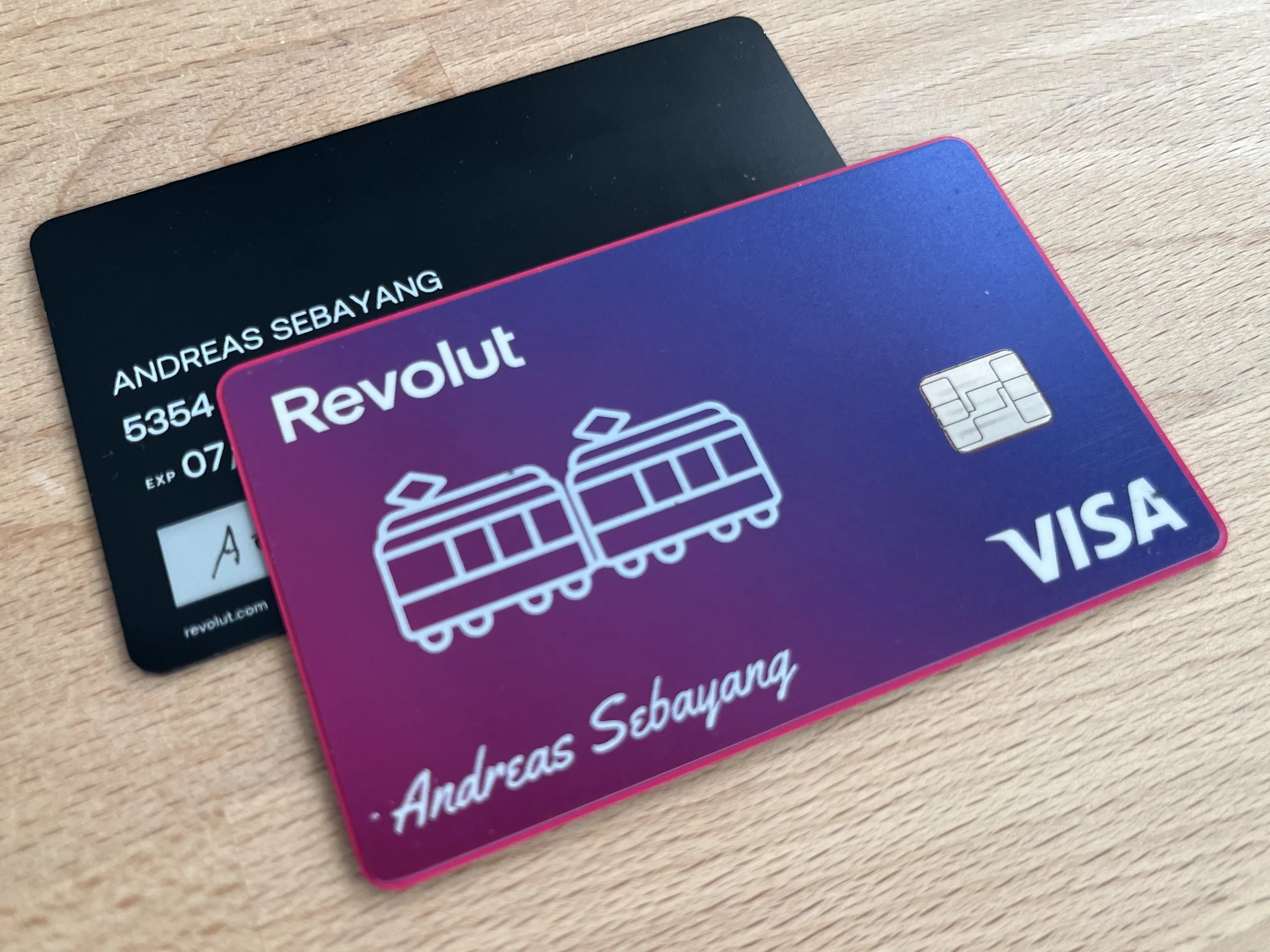
Revolut's new illuminated LED Mastercard aims to boost premium appeal, but its high cost and limited functionality raise questions about strategic value.
Revolut's LED Mastercard Signals Brand Push Amidst Value Concerns
Revolut has introduced a new Mastercard in Europe featuring integrated LED lighting, a move seemingly designed to enhance its premium tier offering and differentiate its brand in a crowded digital banking market. However, the card's underwhelming functionality and relatively high cost raise questions about its strategic value and potential impact on customer perception, particularly for investors scrutinizing FinTech innovation versus superficial novelty. The offering reflects a broader industry challenge for challenger banks attempting to justify premium subscriptions through tangible, yet often aesthetic, product features. The card features LEDs that illuminate upon contactless payment, powered by harvested RFID/NFC energy. It is noted that these lights offer no functional feedback on transaction status or security protocols, serving purely as a visual flourish. This execution contrasts sharply with more sophisticated payment card innovations observed in other global markets, which incorporate actual interactive displays or distinct haptic feedback, suggesting a missed opportunity for Revolut to deliver substantive technological advancement.
Is Revolut's LED Card a Strategic Misstep?
The introduction of a physically distinctive card might be interpreted as a branding play, yet the underwhelming technical execution and a high price point for a purely aesthetic feature could be a strategic miscalculation. In a FinTech ecosystem where customer acquisition costs (CAC) are significant, driving adoption through a high-cost, low-utility physical product risks eroding perceived value for premium users seeking genuine innovation over fleeting novelty. This can weigh on the long-term viability of subscription models. From a venture capital perspective, the efficacy of physical product differentiators in digital banking hinges on their ability to either significantly enhance user experience, provide unique security features, or cultivate a strong sense of exclusivity. Revolut's LED card appears to fall short on these metrics, offering a visual gimmick that doesn't justify its premium cost or elevate the user's interaction with their financial services. My read is that this approach risks diminishing the perceived intrinsic value of Revolut's broader platform, positioning it as a provider of superficial add-ons rather than foundational improvements.
The Broader Context of FinTech Innovation
Revolut has consistently positioned itself as a disruptor, expanding its product suite to include crypto trading, global transfers, and various premium subscription tiers. The LED card, branded with a "crypto" affiliation, seems intended to tap into a tech-forward demographic, yet its execution diverges from the practical, utility-driven innovations that typically resonate with early adopters in this space. This highlights a broader tension within challenger banking: balancing perceived innovation with tangible, valuable features that justify premium pricing. The FinTech market has seen success with "premium" physical cards, notably the advent of metal cards, which offered a tactile, exclusive experience that resonated with consumers willing to pay for perceived status. This trend demonstrated that design and material quality could drive adoption for higher-tier banking products. However, the LED card's illumination fails to capture the same premium feel, potentially relegating it to a niche novelty rather than a compelling component of Revolut’s strategic offering. The absence of substantive functionality beyond illumination further dilutes its appeal when compared to truly innovative payment solutions. Analysis suggests that while brand visibility through novel physical cards can generate initial interest, sustained growth for challenger banks requires a robust value proposition anchored in superior digital experiences, transparent cost structures, and advanced security. The LED card, with its limited functionality, appears to prioritize fleeting aesthetic appeal over the fundamental tenets driving modern digital banking adoption. This could prove problematic in a market increasingly sensitive to genuine innovation and value. Investors and consumers will be closely watching how Revolut integrates such product initiatives into its wider ecosystem and how these offerings impact overall user engagement and premium subscription conversion rates. The market's reception to this type of hardware will be a critical indicator of whether unique, albeit superficial, product differentiators can truly move the needle for a global FinTech giant, or if they merely underscore the imperative for more profound and utility-driven product development.
Frequently asked questions
Is Revolut's new LED Mastercard available now?
Revolut has introduced a new LED Mastercard in Europe, primarily aimed at its premium tier customers. While tested, availability may vary by region and plan.
What makes the Revolut LED Mastercard unique?
The primary unique feature of this Mastercard is its integrated LED lighting, which illuminates when the card is used, offering a distinct visual appeal.
Is the Revolut LED card a crypto card?
While Revolut supports crypto transactions, the LED Mastercard is a standard payment card. It facilitates spending from your Revolut account, which can hold cryptocurrency.
What are the concerns about the Revolut LED Mastercard?
Concerns include its relatively high cost for premium tiers and questions about the actual functional value it provides beyond its aesthetic appeal.
Which regions is the Revolut LED Mastercard being tested in?
According to the article, Revolut has introduced the new Mastercard with LED lighting in Europe.
How does the LED Mastercard enhance Revolut's brand?
It aims to differentiate Revolut in the crowded digital banking market and enhance its premium tier offering through a unique, visually striking card design.