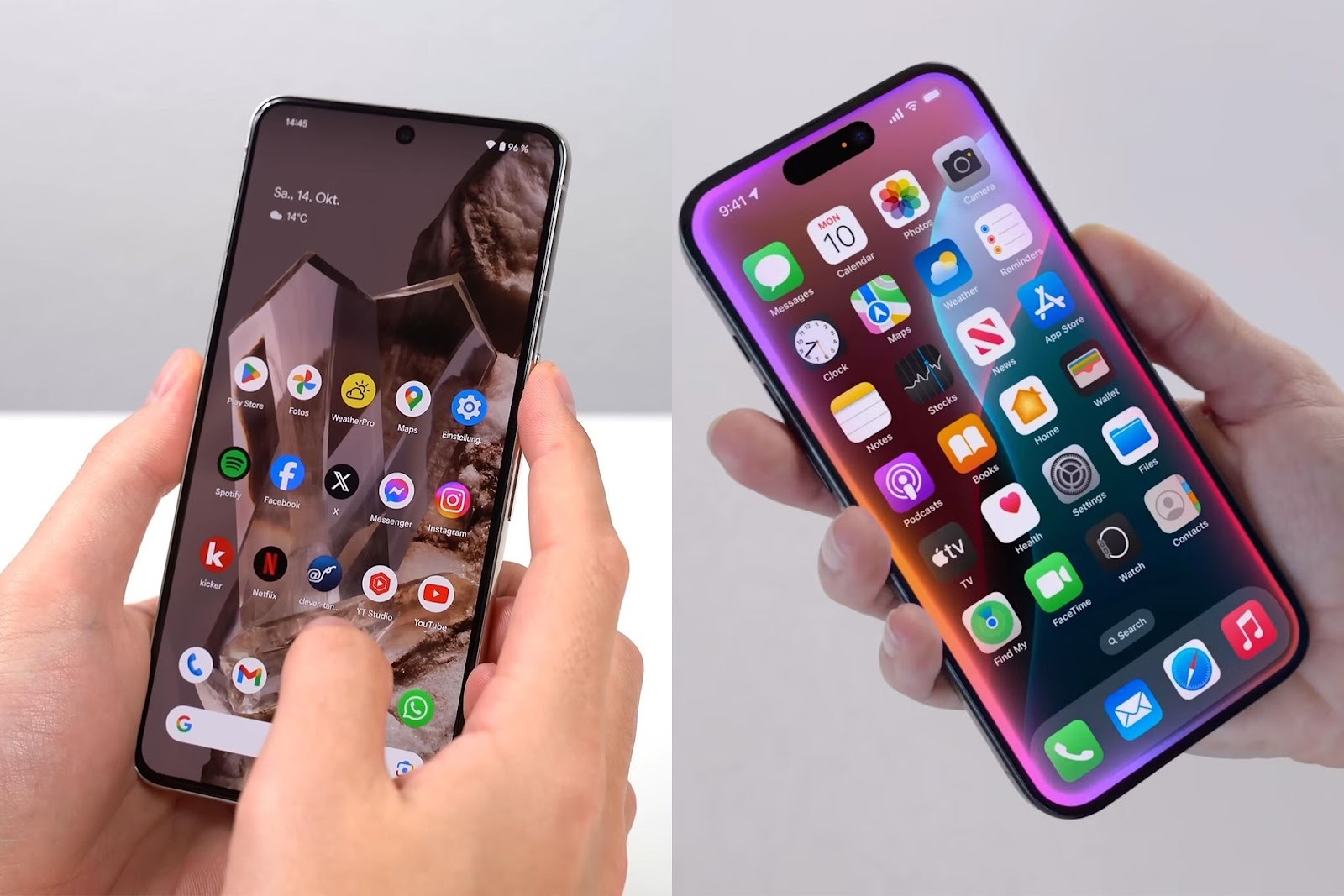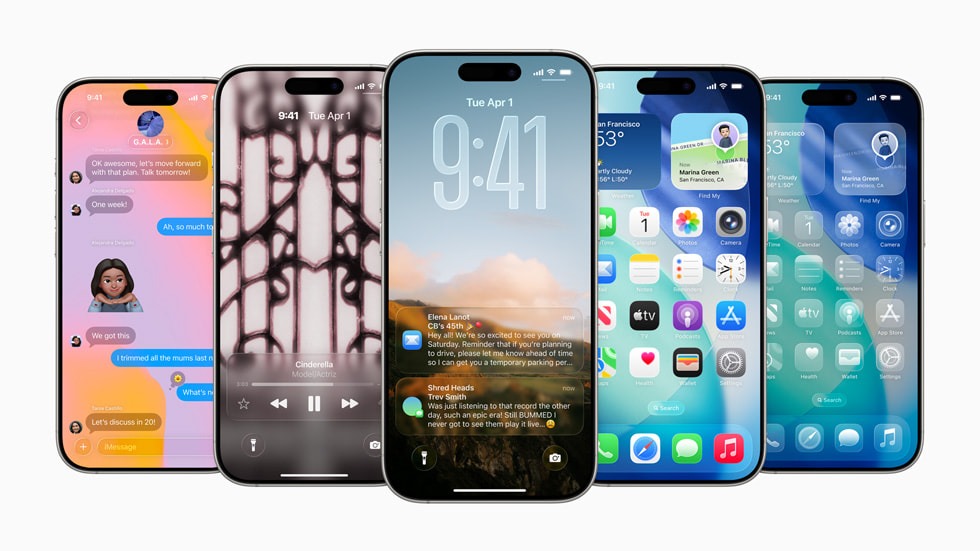
Apple is preparing to introduce a set of new iPhone features that draw clear inspiration from capabilities long available on Google’s Android platform, underscoring how competition between the world’s two dominant mobile ecosystems increasingly runs in both directions.
According to reporting by 9to5Mac, upcoming iOS changes will bring functionality to the iPhone that mirrors features Android users have relied on for years. While Apple has not formally announced a timeline, the additions are expected to arrive through future iOS updates rather than new hardware releases.
For developers, startups, and platform partners, the move highlights how Apple’s historically insular approach to software design is evolving in response to user expectations shaped by Android and broader global competition.
A rare reversal in platform influence
For much of the smartphone era, Apple’s iPhone has set the tone for mobile design, with competitors often accused of following its lead. The latest developments suggest a more reciprocal relationship, where ideas flow both ways between ecosystems.
Features referenced in the report include improvements that enhance system-level flexibility and user control — areas where Android, developed by Google, has traditionally moved faster.
Apple has not publicly framed the changes as borrowing from Android. However, the parallels are difficult to ignore, reflecting a reality where user experience standards are increasingly shaped by cross-platform exposure.
Why Apple is making these changes now
The timing is notable. Smartphone hardware innovation has slowed, making software differentiation more important than ever. With users holding onto devices longer, platform updates have become a primary lever for improving perceived value.
Apple also faces pressure from regulators in the U.S. and abroad to loosen some of its platform constraints. While the reported features are not explicitly regulatory-driven, they align with broader calls for greater openness and user choice.
At the same time, Android’s global dominance in market share means many iPhone users are already familiar with features Apple once resisted. Closing those gaps reduces friction for users switching platforms — or considering doing so.
Implications for the app and startup ecosystem
For startups building mobile-first products, platform convergence has mixed consequences. On one hand, more consistent system features across iOS and Android can simplify development and reduce the need for divergent user experiences.
On the other hand, Apple’s adoption of system-level features can displace third-party apps that previously filled those gaps. Startups that built businesses around functionality Android offered natively — but iOS did not — may now face renewed competition from the platform itself.
This dynamic is familiar in the mobile ecosystem, where platform owners regularly absorb popular features pioneered by independent developers.
A U.S.-led rivalry with global impact
Although Apple and Google are U.S.-based companies, their platform decisions ripple across global markets. Developers in Europe, India, and Southeast Asia build for iOS and Android in parallel, often tailoring products to subtle differences in system behavior.
As iPhone adopts more Android-like features, global developers may see reduced fragmentation — but also increased dependence on platform roadmaps they do not control.
For emerging-market startups, where Android devices dominate, Apple’s moves could also make iOS more attractive to users accustomed to Android-style flexibility.
Competitive pressure extends beyond hardware
The reported changes reflect a broader truth about the modern smartphone market: competition no longer hinges on hardware alone. Instead, it plays out in operating systems, developer tools, privacy controls, and ecosystem policies.
Apple’s willingness to incorporate ideas associated with Android suggests a pragmatic shift. Rather than positioning iOS as categorically different, Apple appears focused on meeting baseline expectations shaped by years of Android innovation.
This does not mean the platforms are converging entirely. Apple continues to emphasize privacy, integration, and premium positioning as core differentiators.
What remains unclear
Several details remain unconfirmed. iPhone has not officially acknowledged the specific features referenced in the report, nor has it clarified which iOS version will introduce them.
It is also unclear whether the changes will be available globally at launch or rolled out gradually across regions — a strategy Apple has used before due to regulatory or technical constraints.
Until iPhone provides formal guidance, timelines and final implementations should be treated as provisional.
A signal of maturing platforms
Apple’s apparent willingness to adopt ideas popularized by Android signals a maturing smartphone market, where innovation is incremental and user expectations are shaped by long-term exposure to multiple ecosystems.
For startups and developers, the lesson is consistent: platform boundaries are porous, and differentiation rarely lasts forever. Features that gain traction on one system often migrate to another.
As Apple prepares its next wave of iPhone updates, the competitive story is less about who leads and who follows — and more about how quickly platforms adapt to a global, increasingly sophisticated user base.