
Bitcoin has fallen enough to erase gains accumulated since the late-2017 rally, as tightening global liquidity hits speculative assets hardest.
Bitcoin’s latest slide is not just another bout of volatility. It is a symbolic reset.
As prices fell sharply this week, the world’s largest cryptocurrency gave up gains accumulated since the rally that followed the 2017–2018 boom, a period often associated with the early mainstreaming of crypto. The move reflects a broader squeeze on liquidity that is rippling across global markets.
This time, the pressure is less about crypto-specific scandals and more about macroeconomics.
Liquidity, not leverage, is the driver
Unlike previous crypto downturns triggered by exchange collapses or regulatory shocks, the current sell-off is closely tied to tightening financial conditions. Higher interest rates, reduced risk appetite, and stronger demand for cash are pushing investors away from volatile assets.
Bitcoin, which still trades more like a risk asset than a hedge, has been particularly exposed.
As liquidity retreats, marginal buyers disappear. Prices then fall until longer-term holders are willing to step in.
A psychological line crossed

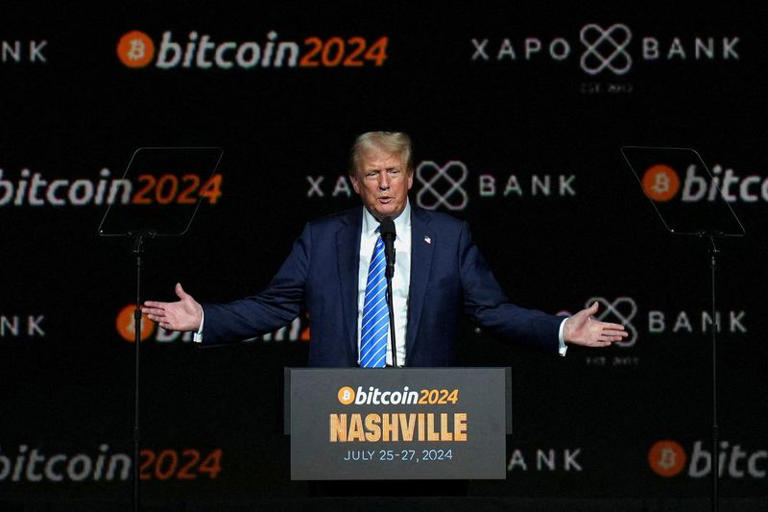
Wiping out Trump-era gains carries psychological weight, even if the label is arbitrary. It underscores how much of bitcoin’s price appreciation over the past several years was built on abundant global liquidity rather than sustained, non-speculative demand.
For newer investors, the drop challenges the idea that time alone guarantees upside. For veterans, it reinforces a familiar pattern: crypto cycles remain tightly coupled to macro conditions.
Institutions are not immune
Institutional participation has grown, but it has not insulated bitcoin from downturns. Funds and professional investors are subject to the same risk constraints as other market participants, and many are reducing exposure as volatility rises.
That dynamic weakens one of the more optimistic narratives around bitcoin’s maturation—that institutional adoption would dampen extreme swings.
What stabilizes the market now
A durable bottom likely depends less on crypto-specific developments and more on macro signals. Easing financial conditions, clearer policy direction, or renewed appetite for risk would all help.
Until then, bitcoin appears to be trading as a barometer of global liquidity rather than a refuge from it.
The reset is painful, but it is also clarifying. In today’s market, crypto is still part of the risk universe—not above it.



