Indian quick commerce unicorn Zepto reportedly faces a significant IPO valuation cut, reflecting a market shift towards profitability over growth for tech startups.
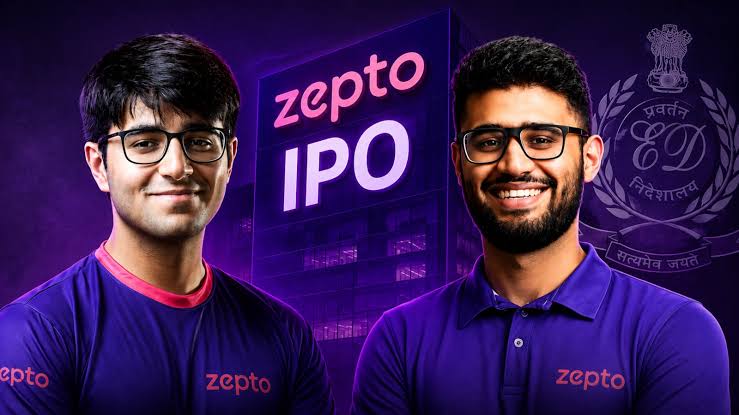
Zepto, the Indian quick commerce unicorn, is reportedly facing a significantly reduced valuation for its anticipated initial public offering, signaling a broader market recalibration for high-growth tech startups. This potential markdown could reset investor expectations for profitability over pure scale in the fiercely competitive Indian e-commerce landscape. The development reflects a stark shift from the venture capital euphoria of recent years, where rapid user acquisition often overshadowed immediate unit economics, pushing companies like Zepto to re-evaluate their public market ambitions. The Mumbai-based startup, known for its 10-minute grocery delivery service, achieved unicorn status in August 2023 following a $200 million funding round. This latest market sentiment suggests that public investors are exercising greater scrutiny over cash-burning growth models, demanding clear pathways to profitability and sustainable customer lifetime value. For a brand built on speed and convenience, the underlying marketing expenditure required to cultivate and retain this customer base presents a formidable challenge in a valuation environment that now prioritizes fiscal discipline. Industry watchers indicate that the proposed valuation could be sharply lower than its last private funding round, a trend observed across the global tech sector as interest rates climb and liquidity tightens. The quick commerce sector, in particular, has faced headwinds due to its capital-intensive nature, high customer acquisition costs, and intense competition. Zepto's ability to articulate a compelling narrative around long-term customer loyalty and efficient marketing spend will be critical to navigating these revised expectations.
What Does a Lower Valuation Signal for India's Tech Scene?
A reduced valuation for a prominent player like Zepto sends a clear message across the Indian tech ecosystem: the era of "growth at all costs" is definitively over. For brands operating in high-frequency, low-margin sectors like quick commerce, this shift necessitates a pivot towards demonstrating robust unit economics and a clear path to generating free cash flow. From a marketing perspective, this means a rigorous focus on optimizing customer acquisition channels, reducing churn, and fostering brand loyalty through differentiated experiences rather than just promotional spend. The market is now looking beyond the sheer number of users or transaction volume to how profitably those users are acquired and retained. For a brand like Zepto, which has invested heavily in establishing its brand identity around speed and convenience, the challenge lies in translating that brand equity into sustainable customer engagement that doesn't rely solely on discounts. My read is that this re-evaluation pushes companies to innovate beyond operational efficiency, focusing on how their brand narrative resonates with consumers to build a loyal audience that commands a premium, even in a commoditized service. This scenario could trigger a significant re-think among other Indian startups eyeing public listings, forcing them to refine their business models and marketing strategies to emphasize profitability and long-term value creation.
Zepto's last private funding round in August 2023 valued the company at $1.4 billion, making it India's first unicorn of that year amidst a challenging funding climate.
The Rise and Challenges of Quick Commerce in India
Zepto launched in 2021, quickly gaining traction by promising grocery deliveries in under ten minutes, leveraging a network of "dark stores" strategically placed within neighborhoods. This model rapidly captivated urban consumers accustomed to instant gratification, carving out a significant niche in India's burgeoning e-commerce market. The initial success was fueled by substantial venture capital investments, allowing the company to expand aggressively into multiple cities and compete with established players like Swiggy's Instamart and Zomato's Blinkit. The rapid expansion, however, came with considerable operational overheads, including real estate for dark stores, delivery personnel salaries, and, crucially for a brand in a hyper-competitive space, hefty marketing budgets aimed at influencing consumer behavior. The quick commerce model inherently relies on high order frequency and efficient last-mile logistics. However, the costs associated with acquiring and retaining customers through pervasive digital advertising, influencer marketing, and direct promotional campaigns are substantial. As a result, the industry has often been characterized by thin margins and intense price competition, making it difficult to demonstrate a clear path to sustained profitability. This economic reality is now colliding with a public market that has little appetite for speculative growth narratives, instead demanding tangible evidence of financial health.
Navigating the Path to Public Markets: A Marketing and Brand Imperative
The path to a successful public listing for Zepto, especially under revised valuation expectations, hinges significantly on its ability to articulate a robust marketing and brand strategy that reduces reliance on promotional spend and builds enduring customer relationships. From my perspective, this means moving beyond transactional marketing to fostering genuine brand affinity. Companies that successfully navigate this environment will be those that deeply understand their customer segments, offering personalized experiences and leveraging content and community to drive organic growth. This could involve exploring creator economy partnerships, optimizing social media engagement for lower acquisition costs, and building subscription models that lock in customer loyalty. What strikes me here is that a lower valuation isn't necessarily a death knell but a re-calibration, urging Zepto to sharpen its strategic focus. The company must convincingly demonstrate how its marketing investments translate into higher customer lifetime value, improved retention rates, and a strong brand preference that can withstand competitive pressures. This shift in investor perception forces quick commerce players to not only be operationally efficient but also profoundly effective in their brand building and audience engagement, ensuring that their growth is not just fast, but fundamentally sustainable and profitable. Looking ahead, all eyes will be on Zepto's financial disclosures in the coming months, particularly its efforts to optimize dark store operations, refine delivery routes, and, most importantly, demonstrate a clear pivot towards profitability in its customer acquisition and retention strategies. Key triggers to watch include any new initiatives aimed at diversifying revenue streams, such as private label brands or subscription services, and how the company communicates its long-term vision to public investors in an increasingly disciplined market. The success of Zepto's IPO, whenever it materialize, will be a bellwether for the broader quick commerce sector and the valuation reset occurring across India's startup landscape.
Frequently asked questions
What is happening with Zepto's IPO valuation?
Zepto, an Indian quick commerce unicorn, is reportedly facing a significantly reduced valuation for its upcoming initial public offering. This potential markdown signals a broader market recalibration for high-growth tech startups, particularly in India's competitive e-commerce sector.
Why is Zepto's valuation reportedly lower?
The lower valuation reflects a market shift where investors are prioritizing profitability over pure scale for high-growth tech startups. This recalibration is impacting companies in fiercely competitive markets like Indian e-commerce.
What does this mean for other Indian tech startups?
This development could reset investor expectations for profitability and sustainable business models across the Indian tech startup ecosystem. It may lead to more scrutiny on financial metrics rather than just user acquisition or revenue growth.
What industry is Zepto in?
Zepto operates in the quick commerce sector, which is a segment of the broader e-commerce industry, primarily focusing on rapid delivery of groceries and essentials in India.
Is this part of a larger market trend?
Yes, this situation is indicative of a broader market recalibration for high-growth tech startups globally and particularly in India. Investors are becoming more cautious and demanding a clear path to profitability.
What is a quick commerce unicorn?
A quick commerce unicorn is a privately held startup in the rapid delivery sector (quick commerce) that has achieved a valuation of $1 billion or more. Zepto is one such company in India.