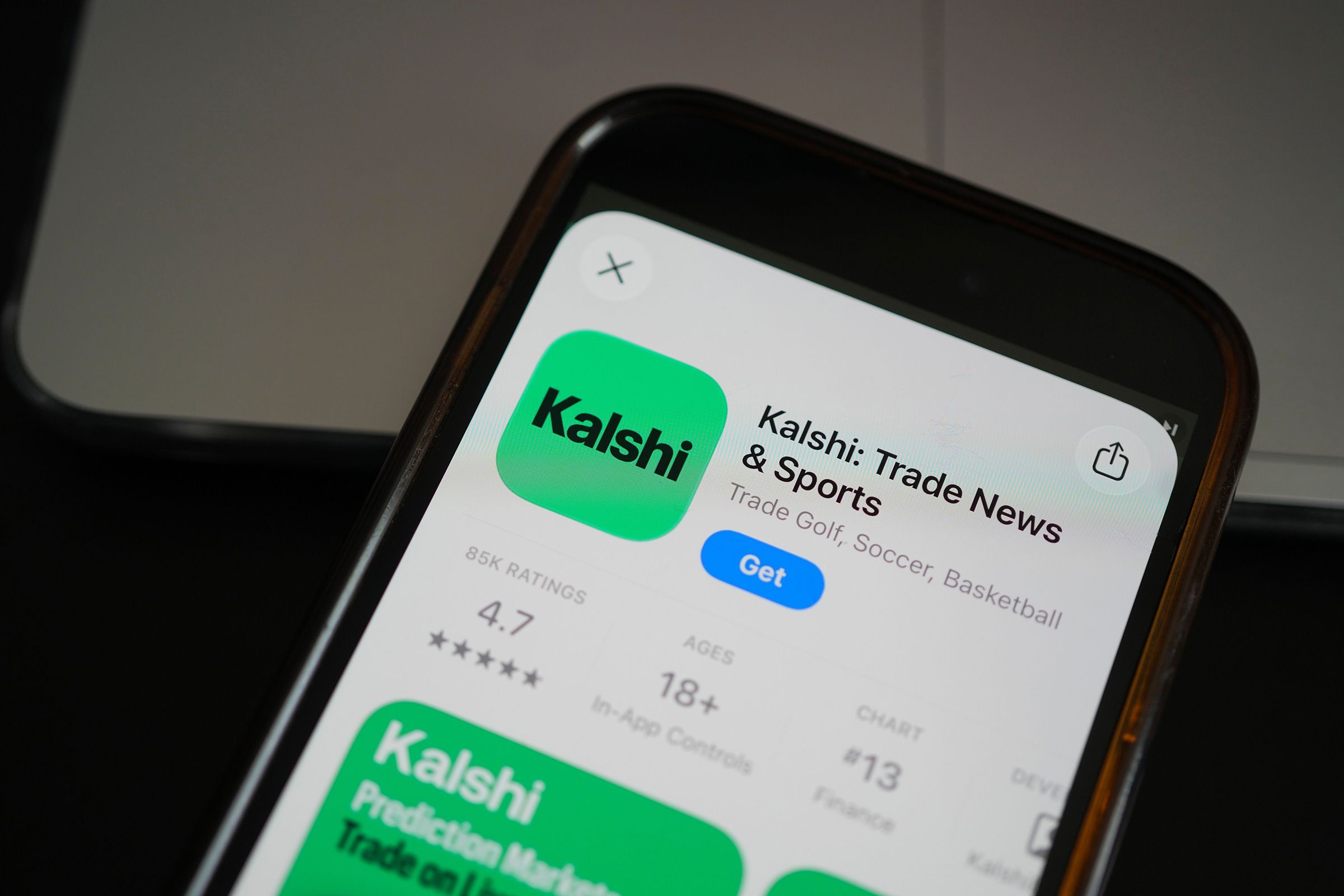
Prediction market Kalshi issues cease-and-desist to Netflix, alleging 'Prediction Games' trailer is "defamatory" with "fabricated documents." The move reignites debate over speculative trading.
Prediction Market Kalshi Demands Netflix Pull 'Defamatory' Doc Trailer, Reigniting Debate Over Speculative Trading
Prediction market platform Kalshi has issued a cease-and-desist letter to Netflix, demanding the streaming giant remove the trailer for its upcoming documentary, 'Prediction Games.' The company claims the trailer is "defamatory" and features "fabricated documents and false and misleading statements," raising serious questions about accuracy in rapidly produced documentary content and the portrayal of a highly regulated financial sector. This confrontation highlights the ongoing tension between entertainment and the precise realities of emerging financial instruments, impacting how everyday investors and regulators perceive these platforms.
The core of the dispute centers on a brief clip in the trailer depicting an individual in Las Vegas showing off an apparent $5,000 bet on their phone. This scene is particularly problematic because Kalshi, a platform allowing users to trade on the outcome of future events, has been explicitly banned from operating in Nevada since a court order issued in March 2026. The documentary footage, filmed in July 2026, appears to show an active bet in a jurisdiction where the platform is legally prohibited, creating a misleading impression for viewers.
Kalshi asserts that the screenshot shown in the trailer is of a bet placed in May 2025, long before the Nevada ban came into effect. The company argues that by presenting this older screenshot in the context of a July 2026 event, Netflix "misled its millions of customers into believing this individual was able to successfully trade sport event contracts in Nevada on July 19, 2026." This perceived misrepresentation could damage Kalshi's reputation and potentially complicate its already fraught regulatory standing.
'Prediction Games' is part of Netflix's series of fast-turnaround documentaries, designed to capture timely topics. The film explores the rise of prediction markets, featuring interviews with key figures including Kalshi CEO Tarek Mansour and Polymarket CEO Shayne Coplan. The trailer's focus on a World Cup watch event, identified as the Winible World Cup Watch Weekend, where individuals boast of "making millions" on these markets, aims to dramatize the high-stakes world of speculative trading, but Kalshi contends it sacrifices factual accuracy for sensationalism.
Why are Prediction Markets So Contentious?
Prediction markets operate as online exchanges where users can buy and sell contracts based on the outcome of future events, ranging from political elections and economic indicators to scientific discoveries and even pop culture events. Unlike traditional sports betting, which often involves a direct wager against a bookmaker, these platforms function more like financial markets, with prices fluctuating based on the collective predictions of participants. This structure means users trade contracts with each other, and the final price of a contract reflects the perceived probability of an event occurring.
The controversy surrounding prediction markets in the United States largely stems from their murky regulatory classification. Federal regulators, primarily the Commodity Futures Trading Commission (CFTC), have long grappled with whether these platforms constitute legitimate financial derivatives, providing valuable forecasting data, or merely disguised forms of illegal gambling. The distinction is critical: if deemed gambling, they fall under state gambling laws and are often prohibited; if recognized as legitimate derivatives, they require rigorous federal oversight and specific licenses, like the Designated Contract Market (DCM) status that Kalshi holds.
Kalshi, having secured DCM status from the CFTC, operates under federal oversight, allowing it to offer event contracts on a wide range of topics, excluding sports. However, even with federal approval, individual states can impose their own restrictions, as seen with the Nevada ban. This fragmented regulatory landscape creates a complex operational environment for platforms like Kalshi and a confusing one for consumers. The ban in Nevada, a state synonymous with legal gambling, underscores the regulatory tightrope prediction markets walk, particularly when trying to differentiate themselves from traditional betting.
The industry's growth also aligns with a broader trend of "gamification" in finance, where online platforms blur the lines between investing, speculation, and entertainment. From the retail trading boom in meme stocks to the rapid expansion of cryptocurrency exchanges and online sports betting, individuals are increasingly engaging with financial markets in ways that resemble games. This convergence creates a fertile ground for new platforms but also attracts intense scrutiny from regulators concerned about consumer protection and market integrity.
What's at Stake for Netflix and Kalshi?
For Netflix, the immediate concern is the accusation of defamation and factual misrepresentation. In the era of "fake news" and heightened media literacy, a documentary series like 'Prediction Games,' which prides itself on rapid insights, needs to maintain a strong reputation for accuracy. While a Netflix spokesperson told The Hollywood Reporter that none of the documentary footage was fabricated and it was filmed at the Winible World Cup Watch Weekend on July 17, 2026, Kalshi's claim is about the context and implication of the footage, not necessarily its raw authenticity. If the trailer indeed misleads viewers about a company's legal operating status, it could expose Netflix to reputational damage and potential legal challenges, setting an uncomfortable precedent for future documentaries of this kind.
For Kalshi, the stakes are arguably higher. As a regulated entity operating in a legally ambiguous and often scrutinized sector, maintaining public trust and demonstrating strict adherence to regulatory compliance is paramount. A trailer that seemingly shows illegal activity on its platform, even if misinterpreted, can severely undermine its credibility with both current and potential users, as well as with regulators. The company has invested heavily in distinguishing itself from traditional gambling, portraying its platform as a tool for hedging risk and price discovery. Any implication of non-compliance, particularly in a high-profile Netflix production, could jeopardize its hard-won regulatory status and further complicate its expansion into new markets.
This incident also highlights the growing challenges for media platforms navigating the complexities of modern finance. Rapid content creation, while appealing for its timeliness, risks oversimplification or miscontextualization of intricate regulatory environments and nascent industries. It underscores the responsibility of content creators to ensure that the narrative they craft, especially in a documentary format, accurately reflects the realities of the businesses and people they portray, particularly when legal and financial implications are significant.
The battle between Kalshi and Netflix serves as a stark reminder of the delicate balance between compelling storytelling and factual integrity, especially when covering the fast-evolving world of technology and finance. The outcome of this dispute could influence how prediction markets are portrayed to the public and how rigorously documentaries are vetted for accuracy moving forward. Whether Netflix will acquiesce to Kalshi's demands, or if this escalates into a full-blown legal battle, remains to be seen, but it's clear that the spotlight on prediction markets and the content that depicts them is only getting brighter.
Frequently asked questions
Why is Kalshi demanding Netflix take down the 'Prediction Games' trailer?
Kalshi claims the trailer for Netflix's 'Prediction Games' documentary is "defamatory" and features "fabricated documents and false and misleading statements" about their prediction market platform.
What is the Netflix documentary 'Prediction Games' about?
'Prediction Games' is an upcoming Netflix documentary that reportedly explores the world of prediction markets and speculative trading, which includes platforms like Kalshi.
What is Kalshi?
Kalshi is a regulated prediction market platform that allows users to trade on the outcome of future events, such as economic trends, weather, or political outcomes.
What is a cease-and-desist letter?
A cease-and-desist letter is a formal document sent to an individual or business to stop an alleged illegal or inappropriate activity, in this case, the distribution of the documentary trailer.
How does this dispute relate to speculative trading?
The controversy reignites the ongoing debate surrounding the ethics and legality of speculative trading and prediction markets, with concerns often raised about market manipulation and fairness.
What could be the outcome of Kalshi's demand?
Potential outcomes could include Netflix removing or editing the trailer, legal action from Kalshi, or Netflix defending the trailer's content, leading to a public legal battle.