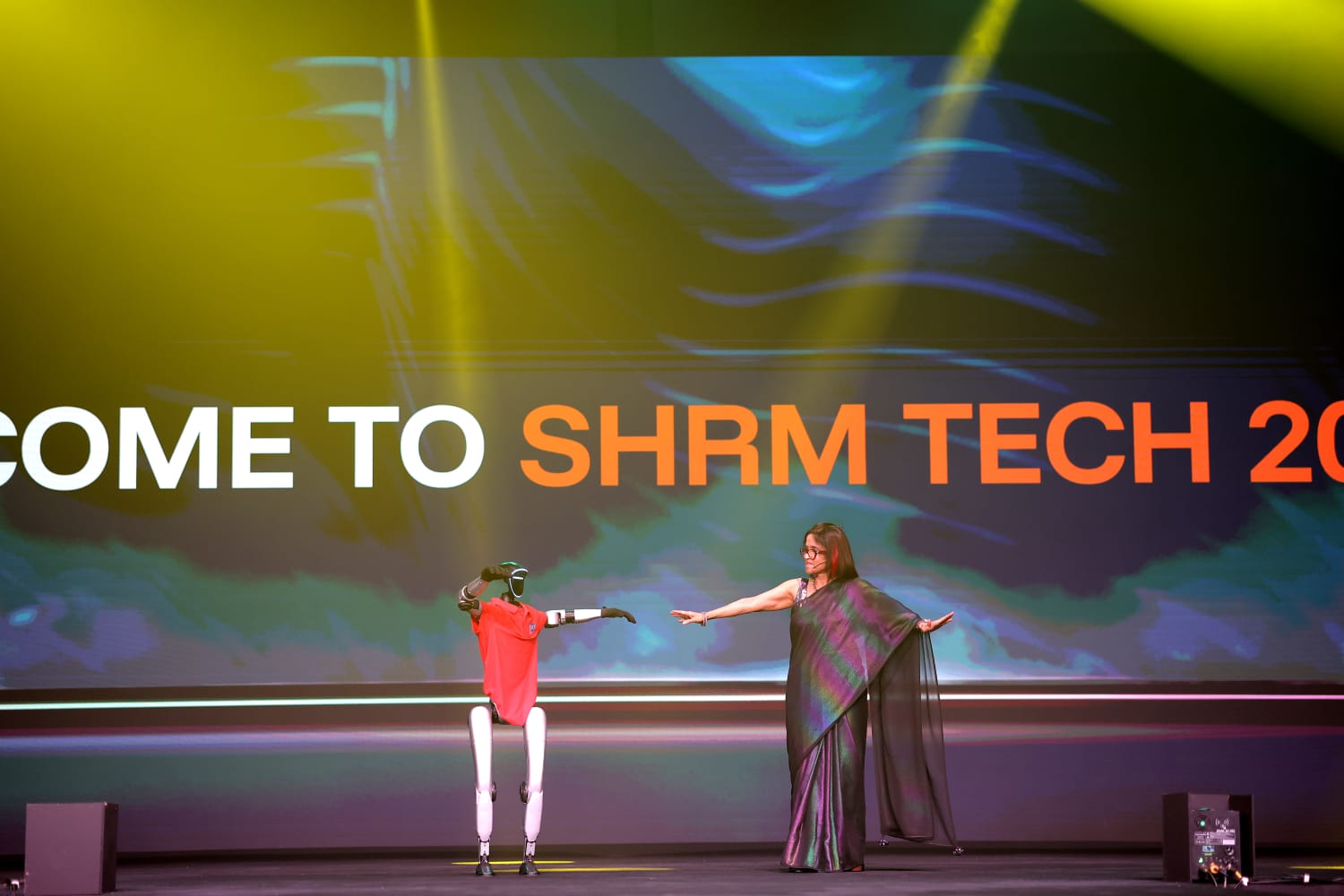
As artificial intelligence continues to reshape global workplaces, SHRM Tech 2026 concluded in Mumbai with a strong and consistent message for business leaders: technology may power the future of work, but human leadership will define it. Bringing together some of India’s most influential HR leaders, business executives, AI strategists, and workplace innovators, the conference explored how organizations can successfully balance rapid AI adoption with human-centered leadership, employee trust, and inclusive workplace culture.
Held as SHRM’s flagship HR and technology conference, SHRM Tech 2026 focused on the growing intersection of artificial intelligence, enterprise transformation, workforce strategy, employee experience, and digital innovation. Over two days, industry leaders shared practical insights, real-world AI applications, and strategic discussions on how businesses can future-proof their workforce while maintaining authenticity, empathy, and organizational purpose.
SHRM Tech 2026 Highlights the Future of AI-Powered Workplaces
The second and final day of SHRM Tech 2026 centered around one critical question facing organizations globally: how can companies integrate AI into business operations while preserving human creativity, leadership, and trust?
The conference reinforced the idea that artificial intelligence is no longer an experimental technology. Instead, AI is rapidly becoming a business necessity across HR operations, talent acquisition, learning and development, employee engagement, and enterprise transformation.
At the same time, speakers emphasized that organizations must avoid becoming overly dependent on automation without strengthening human leadership capabilities.
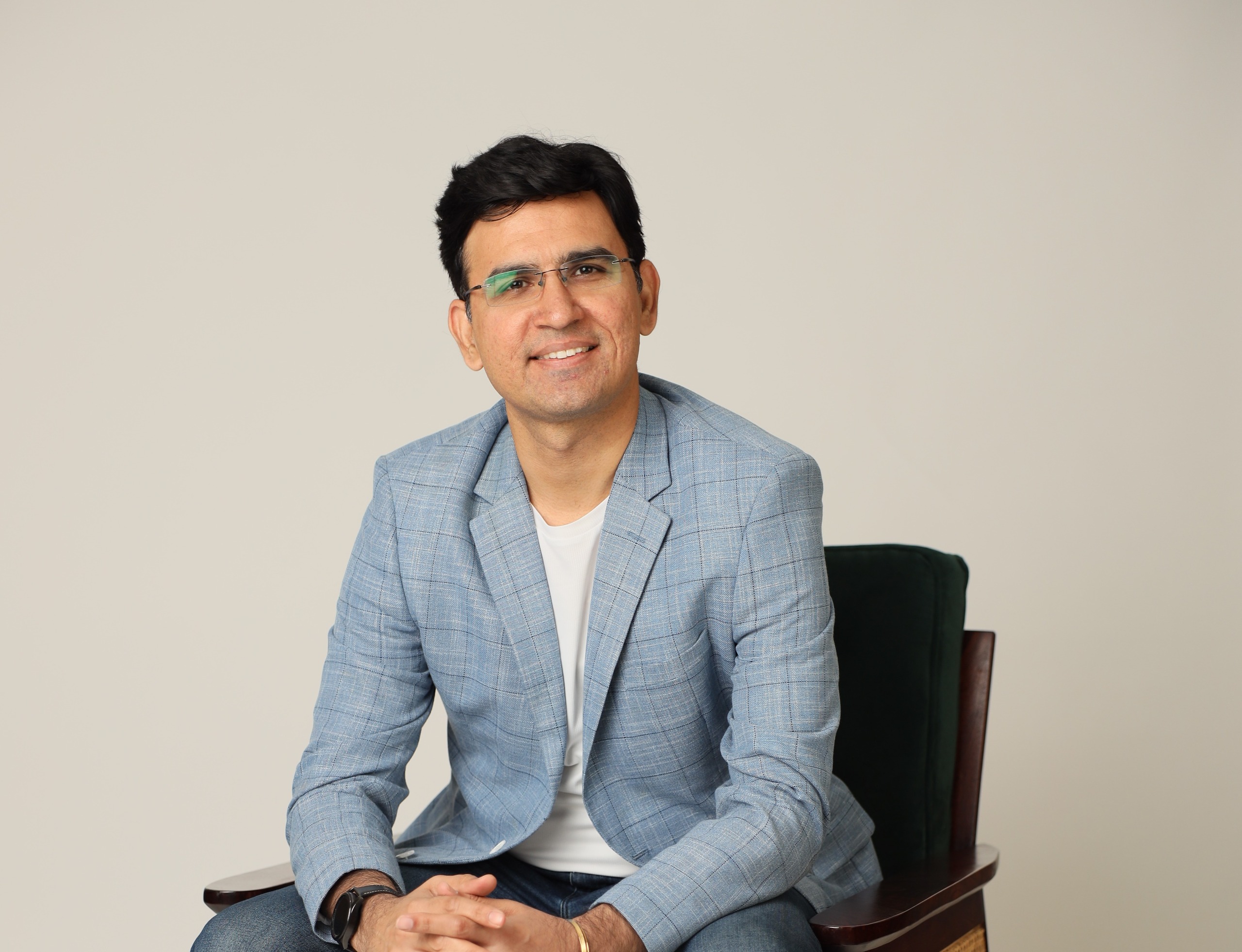
Achal Khanna, CEO of SHRM India, APAC & MENA, highlighted this shift by emphasizing that the future of work will not be defined by AI alone, but by how organizations use technology to unlock human potential at scale.
Enterprise Transformation Takes Center Stage
One of the major keynote sessions featured Rajesh Jejurikar, Executive Director & CEO, Auto and Farm Sector at Mahindra & Mahindra, who addressed “The Next Era of Enterprise Transformation.”
The session explored how digital transformation has evolved beyond basic automation and digitization. According to Jejurikar, successful organizations are now focusing on aligning technology, workforce capabilities, leadership strategy, and business priorities to drive sustainable long-term growth.
His keynote highlighted several important themes shaping the future of enterprise transformation:
Key Takeaways from the Session:
AI adoption must align with business strategy
Technology should enhance workforce productivity, not replace human potential
Organizational agility will become a major competitive advantage
Human-centered leadership remains critical during digital transformation
Businesses must balance innovation with long-term workforce sustainability
The discussion reflected a growing industry trend where organizations are increasingly integrating AI into operational workflows while simultaneously investing in leadership development and workforce resilience.
AI in Hiring: Why Smarter Technology Matters More Than More Technology
Talent acquisition and recruitment technology remained another major focus area during the conference. In a featured session presented in collaboration with Indeed India, discussions centered around the practical realities of AI-powered hiring systems.
Industry experts emphasized that simply increasing AI usage does not automatically improve hiring outcomes. Instead, successful AI implementation depends heavily on:
High-quality organizational data
Strong recruitment workflows
Ethical decision-making frameworks
Human oversight in hiring processes
Bias reduction and inclusive recruitment strategies
The session addressed one of the most pressing concerns in modern recruitment — ensuring AI supports fair, efficient, and data-driven hiring without removing the human element from talent evaluation.
As organizations across India and global markets continue adopting AI recruitment tools, conversations around transparency, candidate experience, and ethical AI governance are becoming increasingly important.
Practical AI Applications in Human Resources
SHRM Tech 2026 also featured multiple masterclasses and workshops focused on practical AI implementation within HR and workplace management.
These sessions provided attendees with actionable insights into how businesses can deploy AI tools across learning, employee engagement, workforce analytics, and coaching.
Key Areas Covered in AI-Focused HR Sessions:
AI-driven learning and development
Conversational AI and virtual coaching systems
Personalized employee learning journeys
Workforce productivity analytics
Employee engagement measurement
AI-enabled talent management systems
Industry experts from organizations including McKinsey & Company, SHRM, and Edenred explored how AI is helping HR departments shift from administrative functions toward strategic workforce planning and business enablement.
A major discussion point throughout these sessions was the importance of adopting AI solutions that are practical, scalable, and aligned with real organizational needs rather than pursuing technology adoption solely for trend value.
Leadership in the Age of Connected Intelligence
Leadership transformation emerged as another defining theme at SHRM Tech 2026. Multiple panel discussions examined how leadership models are changing in an era where humans, AI systems, and data ecosystems are increasingly interconnected.
Speakers discussed how organizations are moving away from traditional command-and-control management structures toward more collaborative, agile, and intelligence-driven leadership approaches.
Emerging Leadership Priorities Identified at the Conference:
Building trust in AI-enabled workplaces
Leading hybrid and digitally connected teams
Combining human intelligence with data-driven decision-making
Creating inclusive and people-first workplace cultures
Managing workforce change during AI transformation
The conversations reflected a broader shift occurring across industries where leadership success is increasingly measured not only by operational performance but also by employee engagement, adaptability, and organizational culture.
Talent Strategy Becomes a Business Growth Driver
Another major discussion at SHRM Tech 2026 focused on the growing role of talent strategy in organizational growth and resilience.
CHROs and HR leaders from leading Indian enterprises discussed how workforce planning, employee development, leadership pipelines, and skills transformation are becoming central business priorities rather than standalone HR functions.
Talent Strategy Priorities Discussed:
Aligning workforce planning with business goals
Upskilling employees for AI-driven workplaces
Building future-ready leadership pipelines
Strengthening employee retention and engagement
Creating resilient and adaptable organizational cultures
The discussions reinforced the idea that talent strategy is no longer separate from business strategy — it is becoming a key driver of long-term enterprise competitiveness.
Real-World AI Use Cases and Inclusion-Focused Innovation
Throughout the conference, organizations showcased practical AI use cases across multiple industries, demonstrating how technology is already improving operational efficiency, employee experience, and business outcomes.
At the same time, speakers repeatedly stressed the importance of embedding inclusion and ethical design into digital transformation initiatives.
Key themes included:
Responsible AI implementation
Inclusive workplace technology
Bias reduction in digital systems
Employee well-being in AI-enabled environments
Human oversight in automation-driven workflows
Industry leaders agreed that organizations adopting AI without prioritizing inclusion, transparency, and trust may struggle with employee acceptance and long-term workforce sustainability.
SHRM Tech 2026 Ends with a Human-Centered Message
The conference concluded with an engaging session featuring acclaimed actor, director, and mentor Boman Irani, who emphasized the enduring importance of creativity, empathy, communication, and storytelling in an increasingly automated world.
His closing conversation reinforced one of the strongest themes of SHRM Tech 2026: while AI will continue transforming how businesses operate, uniquely human capabilities will remain irreplaceable.
As the conference wrapped up in Mumbai, the overarching message became clear — the future of work is not about humans competing against machines. Instead, it is about organizations using technology responsibly to amplify human potential, strengthen workplace culture, and build more innovative, resilient, and people-focused enterprises.
About SHRM Tech
SHRM Tech is SHRM’s flagship annual conference focused on the intersection of human resources and technology. The platform brings together HR professionals, business leaders, AI experts, and workplace innovators to explore emerging trends, tools, and strategies shaping the future of work across global industries.