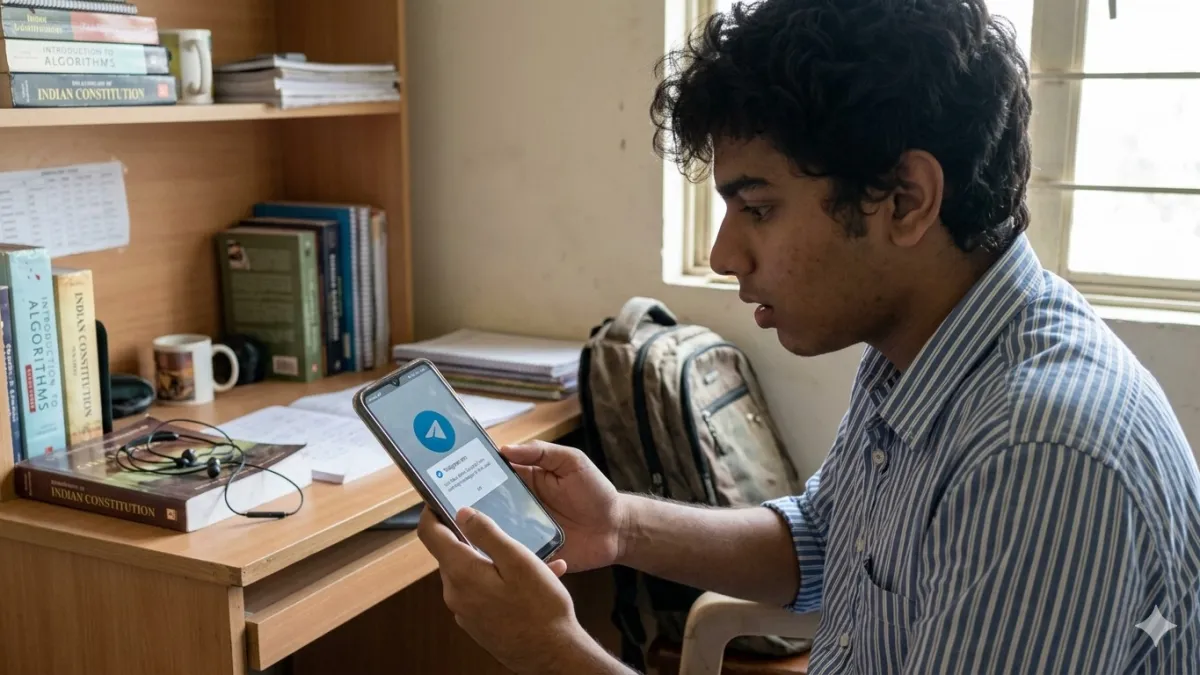
MeitY restricts Telegram in India under IT Act Section 69A ahead of NEET (UG) 2026 re-exam to curb cheating and paper leaks.
The Ministry of Electronics and Information Technology (MeitY) has temporarily restricted access to the Telegram messaging platform in India until June 22, 2026, marking a significant intervention in the country’s digital landscape. This directive, issued under Section 69A of the Information Technology Act, 2000, aims to safeguard the integrity of the NEET (UG) 2026 re-examination scheduled for June 21, raising immediate questions about regulatory oversight and the operating environment for global technology firms in a critical market.
The government’s action follows recommendations from the National Testing Agency (NTA), which cited the organized exploitation of Telegram by cheating syndicates. Beyond the blanket restriction, Telegram has also been mandated to disable its message-editing feature within India until June 30, 2026. This specific measure targets the alleged fabrication of post-examination "paper leak" evidence, where timestamps and content were reportedly altered after exams to create false narratives, thereby undermining public trust in the examination system.
While the NTA welcomed the directives as calibrated and necessary, emphasizing their limited duration and public interest rationale, the move highlights the escalating challenges faced by digital platforms operating across diverse regulatory regimes. Such targeted interventions, even if temporary, contribute to a perception of regulatory unpredictability, a factor that can influence investment sentiment and operational strategies for technology companies assessing market risk in India.
What It Means
This intervention represents more than just a temporary block; it signals an increased assertiveness by Indian authorities in governing digital communication channels. The utilization of Section 69A for a time-bound, event-specific restriction sets a precedent, demonstrating the government's willingness to implement granular controls over platform functionality beyond outright bans. This could trigger a re-evaluation of compliance frameworks for other messaging and social media platforms, compelling them to consider enhanced content moderation capabilities and rapid response protocols tailored to national security and public order mandates.
My read is that the immediate financial implications for Telegram are likely contained given the short duration, yet the broader message for the digital ecosystem is palpable. Companies must increasingly balance global operational standards with localized regulatory demands, particularly in markets like India, which are characterized by a vast digital user base and evolving digital sovereignty imperatives. The emphasis on preventing evidence fabrication through specific feature disablement also suggests a more sophisticated understanding by regulators of how platform functionalities can be weaponized, pushing platforms towards greater feature-level accountability.
Background
The NEET (National Eligibility cum Entrance Test) is India's most significant medical entrance examination, attracting millions of aspirants annually. Its outcome determines access to highly coveted medical and dental college seats, making it a high-stakes event that has unfortunately been plagued by controversies surrounding paper leaks, impersonation, and organized cheating rackets for years. These recurring incidents have eroded public confidence, placing immense pressure on the National Testing Agency and the government to ensure fair and transparent processes.
The government's intensified efforts to curb such malpractices reflect a broader national push for examination reform and integrity. Past measures have included stricter invigilation, enhanced digital surveillance, and punitive actions against perpetrators. The current move to target Telegram directly underscores a tactical shift towards proactive platform-level intervention, acknowledging the role digital communication channels play in facilitating illicit activities. This is not an isolated incident but rather part of a discernible trend where governments globally are grappling with the dual challenge of fostering digital innovation while mitigating the misuse of platforms for anti-social or unlawful purposes.
The Precedent
The targeted nature of this block, specifically its limited duration and the precise disabling of the message-editing feature, establishes a nuanced regulatory precedent. Unlike broader internet shutdowns or indefinite platform bans seen in other contexts, this action demonstrates a calibrated approach, ostensibly balancing public interest with minimal disruption. However, it simultaneously signals a growing capacity and willingness of the state to exert control over platform architectures and user experiences for specific, time-bound objectives. This could lead to demands for greater data access and content control capabilities from platforms, particularly as regulatory bodies seek to pre-empt rather than merely react to emergent threats.
From a global perspective, this intervention places India squarely within a trend of increasing digital sovereignty, where nations assert greater control over digital infrastructure and content within their borders. While the stated aim is public order and examination integrity, the implications extend to wider debates on freedom of speech, surveillance capabilities, and the operational autonomy of global technology companies. This action could embolden other regulatory bodies to explore similar granular controls, requiring platforms to develop more sophisticated, geographically specific compliance mechanisms.
Moving forward, market participants and digital rights advocates will closely monitor the effectiveness of these measures and their long-term impact on platform operations in India. Key triggers to watch include potential legal challenges to the Section 69A directive, Telegram's strategic response to such interventions, and any subsequent policy pronouncements from MeitY regarding digital platform accountability. The success or failure of this targeted block in curbing exam malpractices may also inform future regulatory strategies, potentially shaping the operational landscape for all digital communication services in India.
Frequently asked questions
Why is Telegram blocked in India?
Telegram access in India is restricted until June 22, 2026, by MeitY due to security concerns for the NEET (UG) 2026 re-examination. This aims to prevent paper leaks and cheating.
When will Telegram access be restored in India?
Telegram app access is blocked until June 22, 2026. The message-editing feature is disabled until June 30, 2026.
What is NEET (UG) 2026?
NEET (UG) 2026 is India's National Eligibility cum Entrance Test for undergraduate medical courses. A re-examination is scheduled for June 21, 2026, following paper leak controversies.
What is Section 69A of the IT Act?
Section 69A of the Information Technology Act, 2000, allows the Indian government to block public access to information through any computer resource for reasons like public order or national security.
Why was Telegram's message-editing feature disabled?
The NTA requested disabling Telegram's message-editing feature until June 30, 2026, to prevent its exploitation for fabricating "paper leak" evidence by altering timestamps and content after exams.
Who ordered the Telegram block?
The Ministry of Electronics and Information Technology (MeitY) issued the order to block Telegram, acting on recommendations from the National Testing Agency (NTA).