Mandatory update for smart glasses permanently disables camera if privacy LED is destroyed, combating misuse and boosting trust.
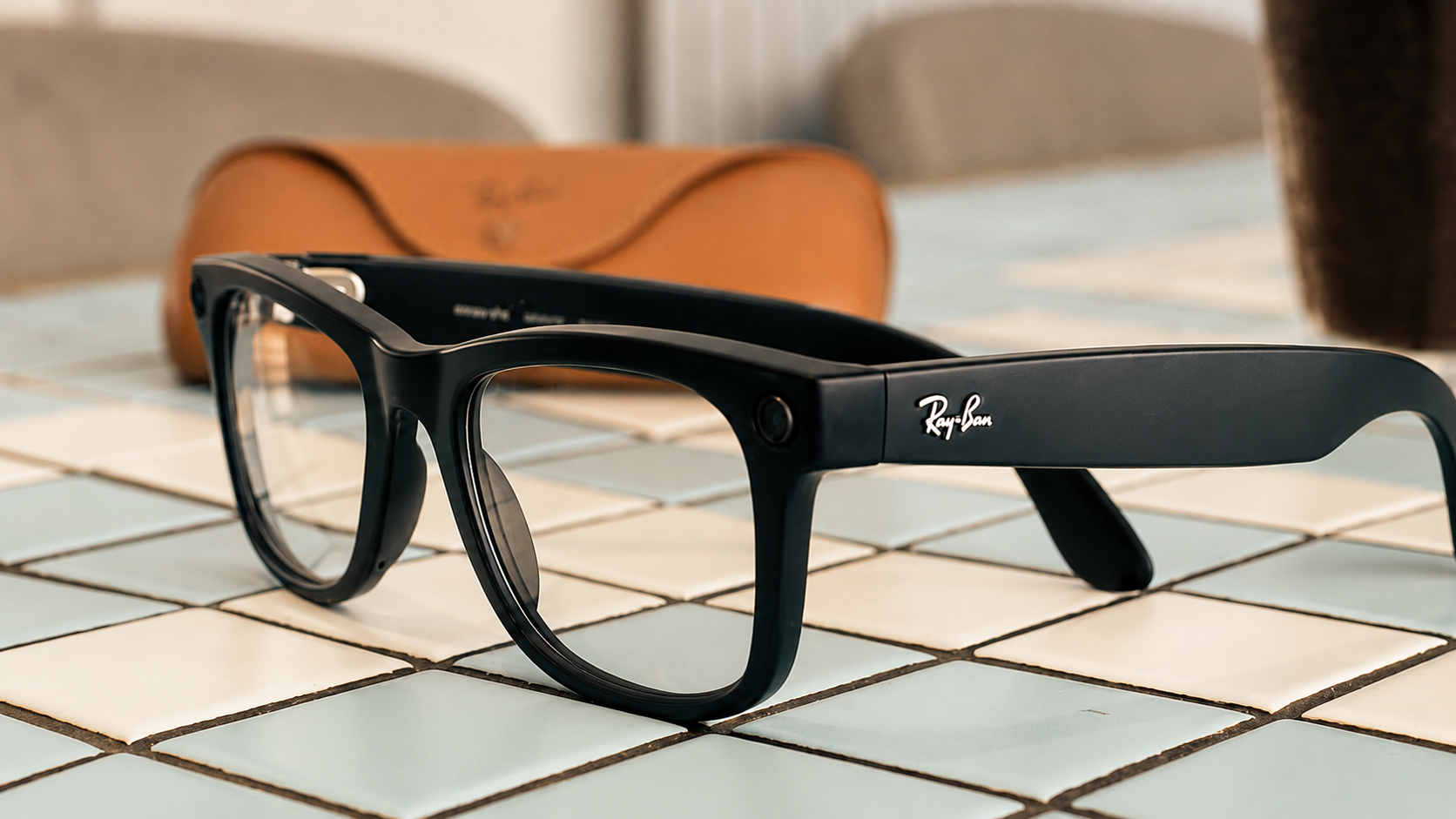
Meta Platforms Inc. is rolling out a mandatory software update for its Ray-Ban and self-branded smart glasses, which will permanently disable the camera function if the device detects physical tampering or destruction of its privacy indicator light, a decisive move aimed at directly addressing pervasive privacy concerns. This significant policy shift is designed to bolster consumer trust in its nascent wearable technology ecosystem and could proactively mitigate future regulatory pressures, which is critical for the broader adoption of augmented reality devices as the company continues its substantial investment in the metaverse. The update, now actively deploying to all users, prevents the glasses from capturing any photos or videos if the embedded capture LED is found to be physically altered or removed. This builds upon existing safeguards introduced with the second generation of Meta's smart glasses, which automatically blocked camera functionality if the privacy light was merely covered, ensuring a visual cue of recording activity remained visible to bystanders. The company has acknowledged a growing trend of individuals and third-party services attempting to circumvent these indicators, sometimes through sophisticated physical modifications, to enable surreptitious recording. Meta has stated its commitment to combating these illicit modifications, indicating efforts to remove advertisements and listings for such alteration services across its platforms, including Marketplace. Furthermore, the company is reportedly considering legal action against individuals or businesses found to be promoting or performing these privacy-compromising modifications. This aggressive stance underscores the company's recognition of the reputational and regulatory risks associated with perceived surveillance capabilities in its hardware.
What This Means for Meta's Wearables Strategy
This mandatory update represents a crucial pivot in Meta's strategy to position its smart glasses not as a surveillance tool, but as a socially acceptable extension of personal technology. Building consumer trust is paramount for the mainstream adoption of any new form factor, particularly one that integrates cameras and microphones into daily life. The perception of privacy and ethical use cases directly impacts market entry and scalability, especially in an emerging sector where public apprehension can quickly stall innovation. The decision reflects a broader industry challenge where the utility of cutting-edge technology often collides with societal expectations for privacy and transparency. By proactively enforcing this measure, Meta seeks to differentiate its product line and set a precedent for responsible innovation in the competitive and rapidly evolving smart glasses market. This move could influence how potential competitors, including those rumored to be developing similar devices, approach privacy safeguards in their own product designs.
The Context: Navigating Smart Glasses and Public Trust
Smart glasses, since their earliest iterations, have faced significant public backlash primarily due to privacy concerns surrounding their integrated cameras. Devices like Google Glass in the early 2010s encountered widespread public resistance, leading to the moniker "glassholes" and bans in various public and private spaces, ultimately contributing to its commercial failure as a consumer product. Meta, with its considerable investment in augmented reality and the metaverse, cannot afford to repeat these missteps. The company's partnership with Ray-Ban, a globally recognized eyewear brand, was a strategic attempt to normalize the form factor and integrate smart features into a widely accepted consumer product. However, the underlying privacy anxieties have persisted, exacerbated by reports of misuse. This update is a direct response to those criticisms and reflects a learning curve from past industry experiences, aiming to instill confidence in a category critical to Meta's long-term vision of an immersive digital future. This initiative also aligns with a broader trend of increased regulatory scrutiny on major technology companies concerning data collection and user privacy. Governments and consumer advocacy groups worldwide are pushing for more transparent and secure digital ecosystems. By taking a leading role in enforcing privacy features on its hardware, Meta could potentially pre-empt future legislation, positioning itself as a responsible innovator rather than a reactive one in the highly sensitive domain of wearable technology. Looking ahead, key triggers to watch will include the public reaction to this mandatory update, which could range from improved trust to user frustration over perceived control loss. Monitoring the effectiveness of Meta’s proposed legal actions against modification services will also be critical, as will any shifts in adoption rates for its smart glasses post-update. Furthermore, the responses from other technology giants rumored to be entering the smart glasses market, such as Apple and Google, will be indicative of whether this becomes an industry-wide standard for privacy and transparency in wearable computing.
Frequently asked questions
What is the new mandatory update for Meta & Ray-Ban smart glasses?
Meta is rolling out a mandatory software update that will permanently disable the camera function on its Ray-Ban and self-branded smart glasses if the device detects physical tampering or destruction of its privacy indicator light.
Why is Meta implementing this camera disabling update?
This update is designed to address intense public backlash and growing privacy concerns surrounding smart glasses, particularly to thwart users who modify the privacy light for nefarious recording.
How does Meta detect if the privacy light has been tampered with?
Meta's smart glasses have internal mechanisms to detect if the capture LED has been blocked, physically tampered with, or destroyed. If detected, the camera is automatically disabled.
Does this update affect all Meta and Ray-Ban smart glasses?
Yes, the update is actively rolling out now and is mandatory for all users of Meta Glasses and Ray-Ban Meta glasses.
What actions is Meta taking against services that modify smart glasses?
Meta is working to remove ads, posts, and Marketplace listings for services that alter smart glasses to disable the LED, and legal action against these individuals and businesses is on the table.
Is this feature unique to Meta's smart glasses?
Meta states that no other kind of camera has implemented such a strong safeguard, and they are proud to lead the industry forward in this aspect of privacy protection.