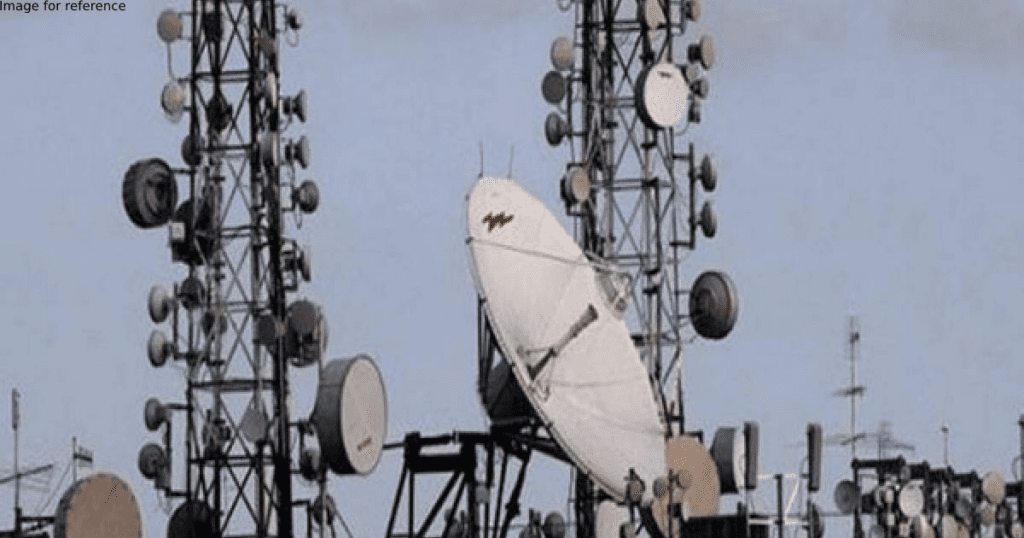
India is considering regulating internet communication services

Share via:

India has proposed regulating internet-based communication services by requiring platforms to obtain a licence in order to operate in the world’s second largest wireless market.

The Draft Indian Telecommunication Bill, 2022, proposed by the Department of Telecommunications seeks to consolidate and update three old rules: the Indian Telegraph Act, 1885, the Indian Wireless Telegraphy Act, 1933, and the Telegraph Wires (Unlawful Protection) Act, 1950. In the event of “any public emergency or in the interest of public safety,” the 40-page draught proposes granting the government the ability to intercept messages transmitted via internet-powered communication services. It also shields the government from any legal action.

Disclaimer

We strive to uphold the highest ethical standards in all of our reporting and coverage. We StartupNews.fyi want to be transparent with our readers about any potential conflicts of interest that may arise in our work. It’s possible that some of the investors we feature may have connections to other businesses, including competitors or companies we write about. However, we want to assure our readers that this will not have any impact on the integrity or impartiality of our reporting. We are committed to delivering accurate, unbiased news and information to our audience, and we will continue to uphold our ethics and principles in all of our work. Thank you for your trust and support.

Popular

More Like this

India is considering regulating internet communication services

India has proposed regulating internet-based communication services by requiring platforms to obtain a licence in order to operate in the world’s second largest wireless market.

The Draft Indian Telecommunication Bill, 2022, proposed by the Department of Telecommunications seeks to consolidate and update three old rules: the Indian Telegraph Act, 1885, the Indian Wireless Telegraphy Act, 1933, and the Telegraph Wires (Unlawful Protection) Act, 1950. In the event of “any public emergency or in the interest of public safety,” the 40-page draught proposes granting the government the ability to intercept messages transmitted via internet-powered communication services. It also shields the government from any legal action.

Disclaimer

We strive to uphold the highest ethical standards in all of our reporting and coverage. We StartupNews.fyi want to be transparent with our readers about any potential conflicts of interest that may arise in our work. It’s possible that some of the investors we feature may have connections to other businesses, including competitors or companies we write about. However, we want to assure our readers that this will not have any impact on the integrity or impartiality of our reporting. We are committed to delivering accurate, unbiased news and information to our audience, and we will continue to uphold our ethics and principles in all of our work. Thank you for your trust and support.

Website Upgradation is going on for any glitch kindly connect at office@startupnews.fyi

More like this

Corsair RM850x SHIFT 850W power supply review: Platinum performance...

Why you can trust Tom's Hardware Our expert reviewers spend...

Pudgy Penguins Bring NFT Characters to the Las Vegas...

Pudgy Penguins ran an animated display on the...

Russian enthusiasts planning do-it-yourself DDR5 memory amidst the worldwide...

An enterprising Russian enthusiast has taken to building his...

Popular

Upcoming Events

Qualcomm Snapdragon X Elite’s latest Linux benchmarks show significant...

Things aren't looking too rosy for Snapdragon X Elite...

Today’s NYT Mini Crossword Answers for Dec. 26

Looking for the most recent Mini Crossword answer? Click here for today's...

Mintoak to raise fresh funding at Rs 2,500 Cr...

Merchant SaaS platform Mintoak is set to raise...