SoftBank's Vision Fund reduces its holding in Indian eyewear giant Lenskart to 9.88%, crystallizing significant returns.
Japan's SoftBank Group Corp. has divested a significant portion of its stake in Indian eyewear retailer Lenskart Solutions Pvt. Ltd., selling over 3 percent for approximately Rs 2,873 crore. This strategic move, which reduces SoftBank's holding to 9.88 percent from an initial 13.13 percent through its Vision Fund arm, signals a continued focus on crystallizing returns from its extensive venture portfolio amidst evolving global market dynamics and a drive for enhanced liquidity across its investment vehicles.
The transaction represents a notable monetization event for SoftBank, a prolific investor in India's burgeoning tech ecosystem. By offloading over 3 percent of its equity in Lenskart, the Japanese conglomerate secures substantial capital, reflecting its ongoing strategy to selectively exit mature private investments. This divestment underscores a broader trend of institutional investors recalibrating their portfolios to lock in gains and manage exposure to growth-stage companies as the pathway to public markets becomes more discerning.
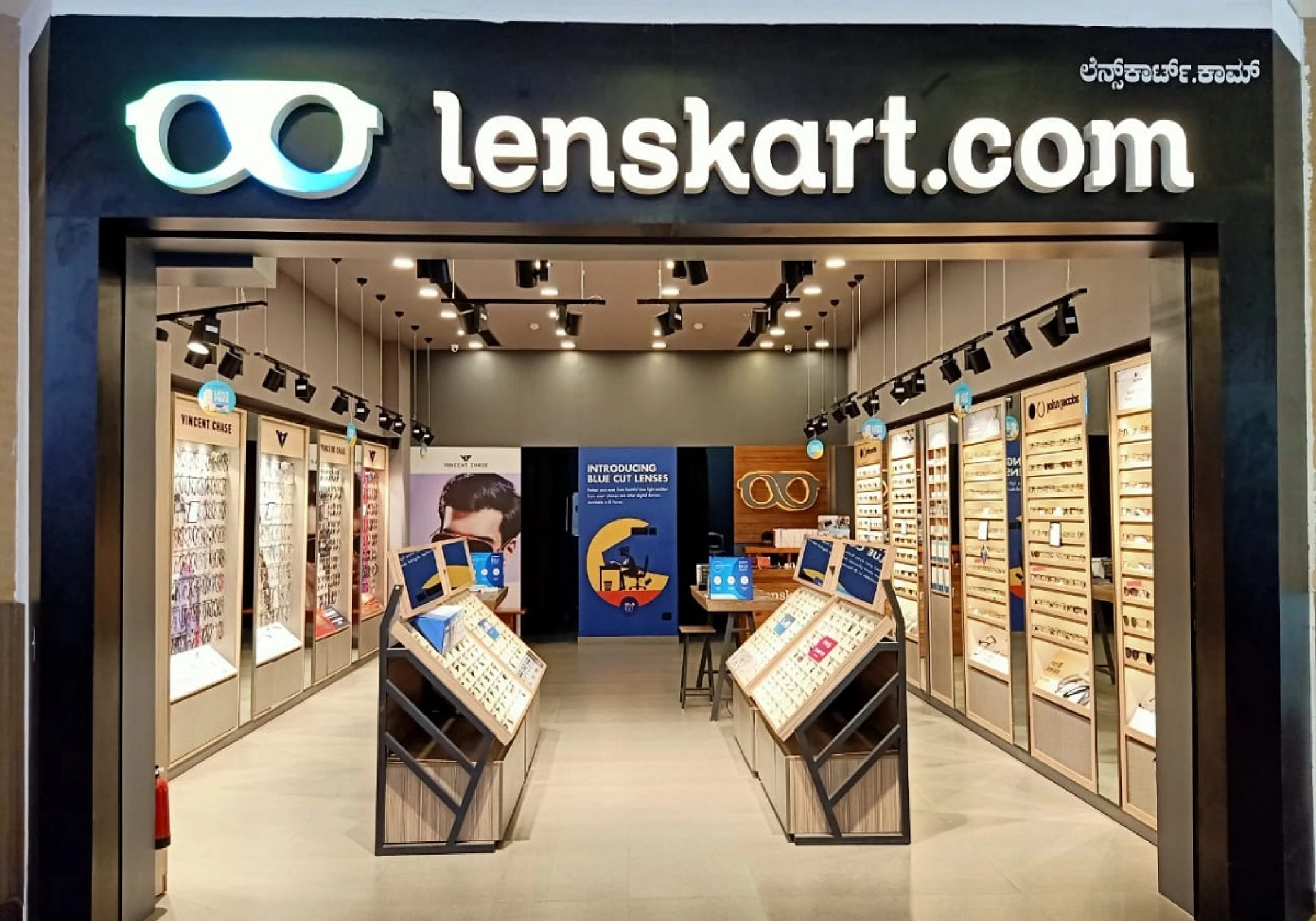
Lenskart, a prominent player in India's optical retail sector, has benefited from significant venture capital backing, enabling its expansion across both online and offline channels. SoftBank's partial exit at a valuation implied by the Rs 2,873 crore sale price for over 3 percent suggests a robust increase in Lenskart's enterprise value since the initial investment, providing a positive signal for other investors in the company and the broader Indian startup landscape.
What It Means
This transaction holds multifaceted implications for both SoftBank and the wider venture capital market, particularly in Asia. For SoftBank, the sale aligns with its stated objective of actively managing its portfolio, generating liquidity for new investments, and returning capital to limited partners. Following a period of aggressive investment, particularly through its Vision Funds, SoftBank has increasingly focused on prudent capital allocation and demonstrating tangible exits to assuage investor concerns regarding valuations and long-term return profiles.
The partial divestment in Lenskart also provides a critical valuation benchmark for the private market. As public market conditions remain volatile, the ability to execute substantial secondary sales at attractive prices offers a pathway for investors to realize value without immediately pursuing a full initial public offering. This flexibility is crucial for late-stage growth companies like Lenskart, which can continue their expansion trajectory while providing liquidity options for early backers.
SoftBank divested an over 3% stake in Lenskart for Rs 2,873 crore, equating to a significant valuation for the Indian eyewear retailer and marking a key liquidity event for the Japanese conglomerate.
Furthermore, such strategic sales can influence investor sentiment toward specific sectors or geographies. The successful execution of a substantial secondary transaction in an Indian direct-to-consumer brand like Lenskart validates the growth potential of India's consumer technology market, potentially encouraging further inbound investment from global private equity and venture capital firms looking for similar opportunities.
Background
SoftBank's journey with Lenskart began as part of its expansive investment strategy in India, a market it identified early for its immense digital consumption potential. The Japanese tech conglomerate, through its Vision Fund, has been a cornerstone investor in numerous high-growth Indian startups, deploying billions of dollars across sectors ranging from e-commerce and ride-hailing to fintech and logistics. SoftBank typically targets companies with strong market leadership, scalable business models, and significant disruptive potential, characteristics that Lenskart has consistently demonstrated within the optical retail segment.
Lenskart, founded in 2010, has evolved into a dominant omnichannel player, integrating online sales with a vast network of physical stores across India and expanding its footprint internationally. Its business model, leveraging technology for customized eyewear solutions and a robust supply chain, resonated with SoftBank's investment thesis focused on digital transformation and market disruption. SoftBank's initial investment provided critical capital for Lenskart to accelerate its expansion, enhance its technological infrastructure, and solidify its market position against both traditional and emerging competitors.
Looking ahead, market participants will closely monitor SoftBank's remaining stake in Lenskart and its broader portfolio management strategy. Further partial exits or a complete divestment would signify ongoing efforts to optimize its holdings and could precede a potential public listing for Lenskart. Observers will also be watching the performance of Lenskart as it navigates competitive pressures and seeks to capitalize on India's growing consumer market, with any subsequent funding rounds or strategic partnerships offering further insights into its long-term trajectory and valuation prospects.
Frequently asked questions
Who sold a stake in Lenskart Solutions?
Japan's SoftBank Group Corp. has divested a significant portion of its stake in Indian eyewear retailer Lenskart Solutions Pvt. Ltd.
How much stake did SoftBank sell in Lenskart?
SoftBank sold over 3% of its stake in Lenskart Solutions.
What was the value of SoftBank's stake sale in Lenskart?
The stake sale was valued at approximately Rs 2,873 crore.
What is SoftBank's remaining stake in Lenskart after the sale?
After the divestment, SoftBank's holding in Lenskart through its Vision Fund arm is reduced to 9.88% from an initial 13.13%.
Why did SoftBank sell part of its Lenskart stake?
This strategic move signals SoftBank's continued focus on crystallizing returns from its extensive venture portfolio, optimizing its investments.
Which fund arm was involved in the Lenskart divestment?
SoftBank's Vision Fund arm was involved in the divestment, as it held the initial 13.13% stake in Lenskart Solutions Pvt. Ltd.