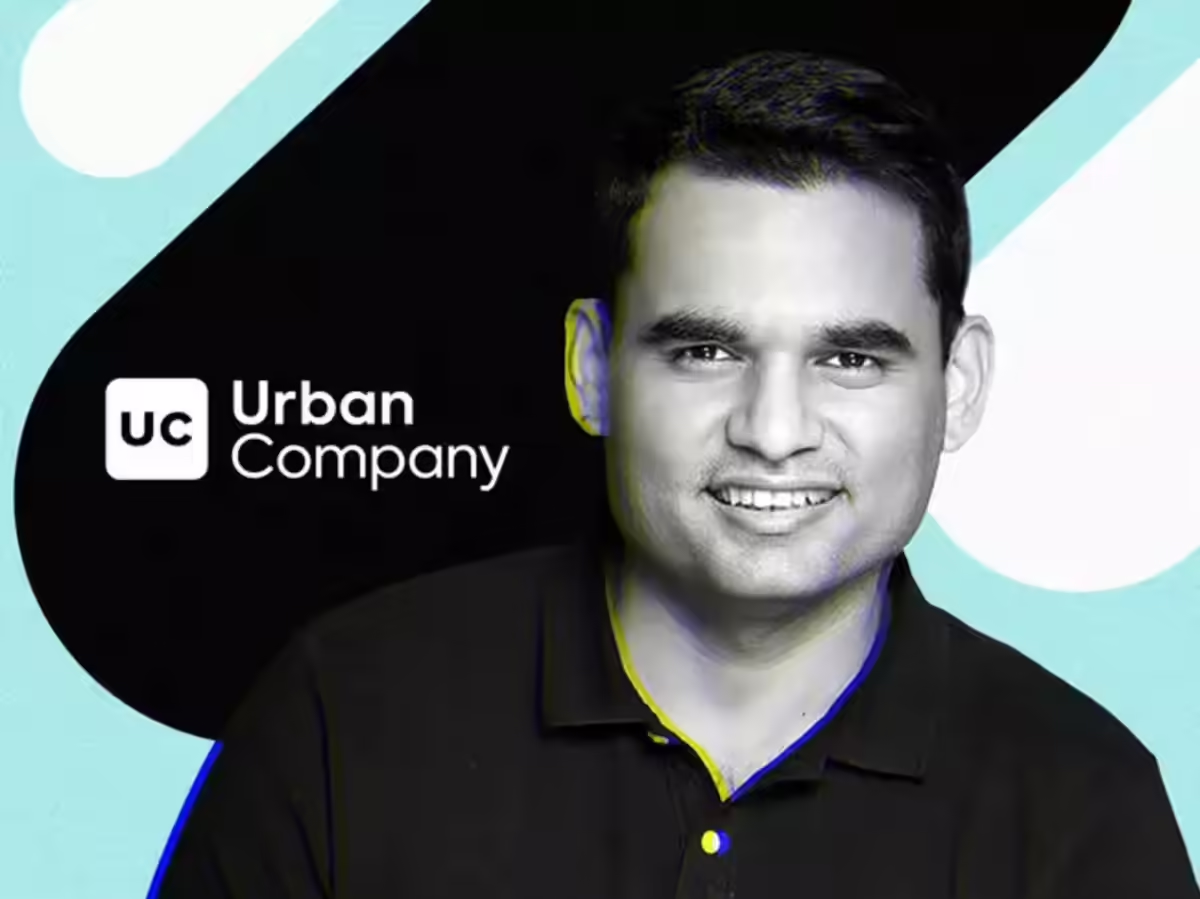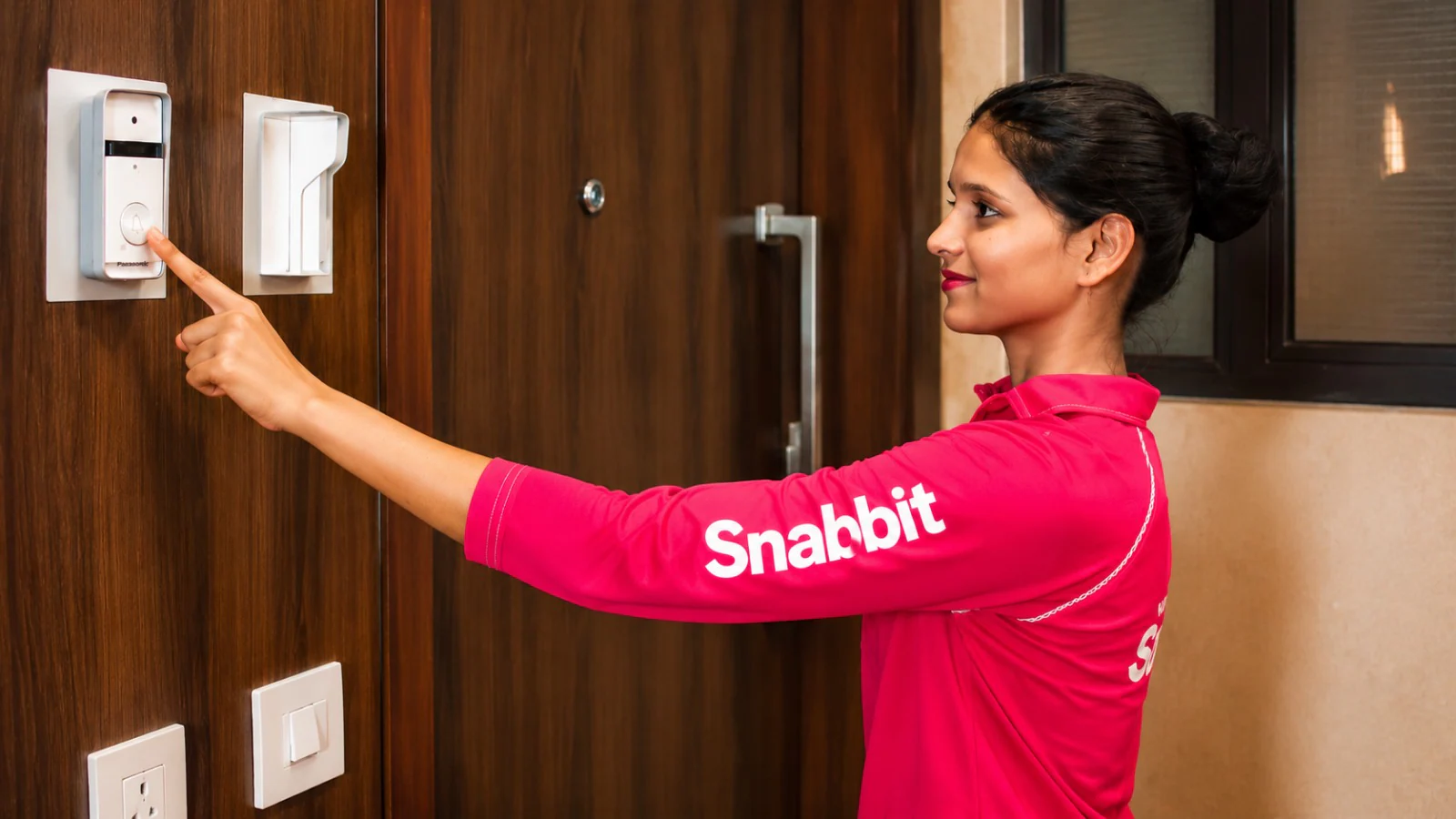
Snabbit CEO Aayush Agarwal clarifies policy, asserting no customer homes were ever filmed, contrasting sharply with competitor Pronto's AI training controversy.
Bengaluru-based home services platform Snabbit firmly declared in May 2026 that it has never recorded videos inside customer homes for any purpose.
The clarification followed a significant backlash against competitor Pronto, which faced scrutiny over reports of using service staff to film residential interiors to train physical AI.
Snabbit Founder and CEO Aayush Agarwal explicitly stated the company rejected overtures from other players to implement similar AI training workflows.
The incident underscores critical privacy concerns and the paramount importance of trust in India's burgeoning home services sector.
The delicate balance between technological innovation and customer privacy in India’s rapidly expanding home services sector faced intense scrutiny in May 2026, as Bengaluru-based Snabbit moved swiftly to distance itself from a controversial competitor. Snabbit, a platform connecting users with domestic service providers, issued a categorical assurance that it does not, and has never, recorded videos inside customers' homes. This decisive statement by Founder and CEO Aayush Agarwal directly responded to a privacy storm engulfing fellow startup Pronto, which reportedly utilized its field staff to film customer interiors to gather data for physical AI development. The controversy surrounding Pronto erupted following an *Entrackr* report detailing its alleged practice of filming residential spaces. This information was further corroborated by a memo from Pronto investor Glade Brook Capital, which stated, "Pronto is seeking to formalize India’s vast informal labor markets and in the process generate data to help train physical AI and robotics." Physical AI, defined as artificial intelligence operating in the real world through machines and robots rather than solely on screens, requires immense volumes of real-world data to learn and perform complex tasks like cleaning or cooking. Pronto's model, as described, aimed to leverage its network of service professionals already performing these manual tasks for this critical data collection. In the immediate aftermath of the revelations, industry peers were quick to address the escalating privacy concerns. Snabbit's Aayush Agarwal took to X (formerly Twitter) to unequivocally clarify his company’s stance. "Since this morning, people have reached out asking whether @just_snabbit does anything similar to the recent reports about a competitor recording inside customers' homes. The answer is clear and unequivocal: We do not," Agarwal stated. He further emphasized the deep trust customers place in Snabbit's verified and well-trained experts, asserting that "No customer's home has ever been recorded by us, in any way... their privacy is absolute. We don't take that lightly." Agarwal also revealed that Snabbit had been approached by "several players" to establish similar video-recording workflows for AI training but had consistently rejected such propositions, choosing to prioritize customer trust over data acquisition. "But understanding something and deploying it in our customers' homes are two very different things. We have not done the latter, have no partnership with anyone in this regard, and have no intention of changing that," he added. Urban Company, another prominent player in the at-home services market, similarly issued a statement confirming it does not engage in such recording practices.
India's home services market is projected to reach approximately $50 billion (INR 4.15 Lakh Crore) by 2030, underscoring the critical need for robust privacy frameworks as technology integrates deeper into daily domestic life.
Why It Matters
The Pronto controversy and Snabbit’s swift counter-response bring into sharp focus the complex ethical dilemmas at the intersection of emerging AI technologies and consumer privacy, particularly within India's unique socio-economic context. For startups operating in the home services sector, trust is not merely a brand value; it is the fundamental currency of their business model. Customers inviting service professionals into their private spaces inherently extend a significant degree of trust, which can be irrevocably shattered by perceived privacy breaches. The push to "formalize India’s vast informal labor markets" for the purpose of generating AI training data, while potentially disruptive for technological advancement, must navigate these deep-seated societal expectations and privacy norms with extreme caution. This incident also highlights a broader challenge for the Physical AI ecosystem globally: the sheer volume of real-world, labeled data required for effective training. Companies like Pronto saw an opportunity in the existing human workforce to bridge this data gap. However, the outcry demonstrates that the means of data collection are as crucial as the ends, especially when it involves sensitive personal spaces. For the Indian startup ecosystem, this serves as a stark reminder that innovation cannot outpace ethical considerations and user consent, particularly in high-trust sectors. The precedent set by companies like Snabbit, who explicitly reject such data collection methods despite understanding the technology, could shape future industry standards for privacy and data governance.
What's Next
The fallout from the Pronto episode is likely to trigger increased scrutiny on data collection practices across the entire Indian home services and Physical AI landscape. Startups in this domain will face mounting pressure to articulate transparent data privacy policies and actively demonstrate their commitment to safeguarding customer information. Moving forward, clear consent mechanisms, robust data anonymization techniques, and potentially industry-wide ethical guidelines for AI data collection in sensitive environments will become imperative. Companies that proactively champion privacy and build trust through ethical data practices are poised to gain a significant competitive edge, reaffirming that consumer confidence remains the bedrock of sustainable growth in this critical sector.
Frequently asked questions
What did Snabbit's founder say about customer home recordings?
Snabbit founder Aayush Agarwal stated that his company has never recorded videos inside customer homes for any purpose, differentiating Snabbit from competitor Pronto.
What was the controversy with Pronto?
Pronto faced scrutiny for allegedly using service staff to film residential interiors to train physical AI, leading to a significant public backlash.
Who is Aayush Agarwal?
Aayush Agarwal is the Founder and CEO of Snabbit, a Bengaluru-based home services platform.
What kind of company is Snabbit?
Snabbit is a Bengaluru-based home services platform that provides various services to customers, emphasizing privacy.
When did Snabbit make this clarification?
Snabbit firmly declared its policy on not recording customer homes in May 2026, following the Pronto controversy.
Why is customer privacy important in home services?
Customer privacy is crucial in home services to build trust and ensure individuals feel secure about professionals operating within their private living spaces.