Alibaba's $1.5B bid for Pupu, a Fujian-based instant grocery delivery platform, signals major consolidation in China's competitive online grocery market.
Alibaba is looking to make a massive splash in China's hyper-competitive online grocery market, reportedly offering a staggering $1.5 billion to acquire Pupu, one of the last independent instant grocery delivery platforms. This isn't just a big number, it's a strategic move that could reshape how millions of consumers get their daily essentials and fundamentally alter the landscape for brands trying to reach them.
Here's what happened: The e-commerce behemoth's reported bid for the Fujian-based delivery service significantly outstrips an earlier $600 million offer from Sun Art Retail, a major Chinese hypermarket operator. This signals Alibaba's aggressive intent to consolidate its position in the rapidly expanding and fiercely contested grocery delivery sector, a market that has only accelerated its growth since the pandemic.
Pupu is a formidable player, boasting more than 30 billion yuan, or about $4.43 billion, in annual revenue. Its strength lies in its efficient 30-minute delivery network, currently spanning approximately 10 cities across key regions like Fujian, Guangdong, Sichuan, and Hubei. For Alibaba, bringing Pupu into its ecosystem would mean instantly gaining access to this established infrastructure and a loyal customer base, crucial for winning the "last mile" delivery battle.
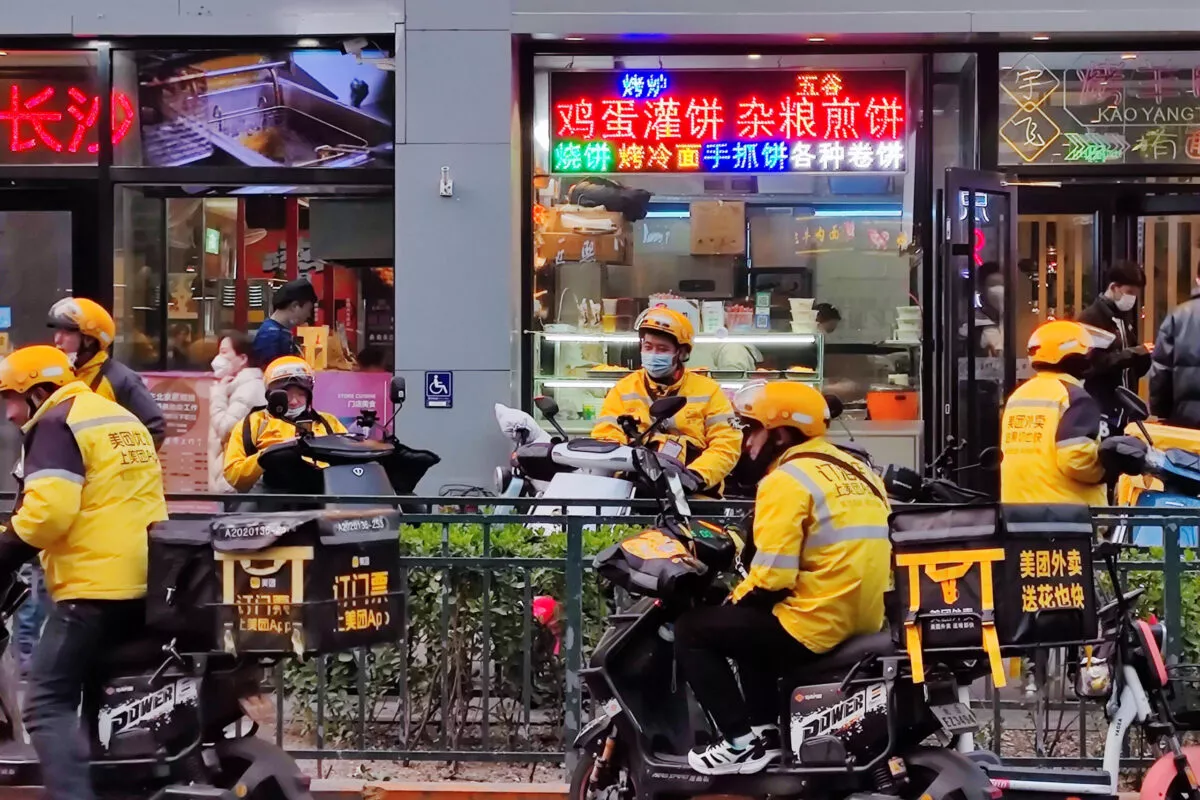
This isn't an isolated incident but rather a clear acceleration of consolidation in China's online grocery space. Another tech giant, Meituan, recently agreed to acquire Dingdong's China business for $717 million, a deal still awaiting antitrust clearance. It's clear that the major platforms are no longer just building organically; they're buying up successful independent operators to lock down market share and fend off rivals.
Why this matters for your daily routine and for brands
For the average consumer, these massive investments by tech giants like Alibaba and Meituan translate directly into faster, more reliable, and often cheaper access to groceries. The 30-minute delivery promise, once a novelty, is quickly becoming an expectation, and the battle for dominance means continuous innovation in logistics and customer experience. This competition ultimately drives convenience, but also means fewer independent choices as larger platforms absorb smaller ones.
From a marketing and brand perspective, this consolidation is huge. Instant grocery apps are no longer just about transactions; they're becoming integral parts of consumers' daily routines, high-frequency touchpoints that offer unparalleled data insights into purchasing habits. For brands, securing prime placement and visibility within these consolidated ecosystems becomes paramount. It shifts the marketing battleground from traditional retail shelves to digital app interfaces, where algorithms and platform partnerships dictate discovery and distribution.
My read is that this move underscores a critical strategic pivot for Alibaba. Despite its immense digital prowess, the company recognizes that deep integration with physical retail and hyper-local delivery is indispensable for long-term customer loyalty and defense against rivals. It’s about creating a truly seamless online-to-offline experience, turning grocery into a cornerstone of its "super app" strategy, where users can access a multitude of services from a single platform. This isn't just about selling groceries; it's about owning the consumer's daily life cycle.
Navigating the regulatory tightrope
However, an acquisition of this scale in China's tech landscape doesn't come without significant hurdles. The regulatory environment has dramatically shifted, with Beijing demonstrating a strong resolve to curb monopolistic practices among its tech giants. Alibaba, in particular, has faced intense scrutiny, having been fined a staggering 18.2 billion yuan, or about $2.69 billion, for abusive market conduct. Meituan also received a 3.4 billion yuan, or $502 million, fine for similar issues.
This history means any potential sale of Pupu to a major platform like Alibaba will undoubtedly face rigorous antitrust clearance. Regulators are keenly watching for moves that could further concentrate market power or stifle competition. The government's stance is clear: while innovation is encouraged, unchecked expansion leading to monopolies will be penalized. For Alibaba, this means the strategic value of Pupu must be carefully weighed against the potential for regulatory pushback and the need to demonstrate fair competitive practices.
Ultimately, the reported $1.5 billion offer for Pupu by Alibaba is more than just a financial transaction; it's a potent signal of the ongoing, high-stakes battle for dominance in China's online consumer market. It highlights the strategic imperative for tech giants to secure last-mile delivery capabilities and integrate deeply into consumers' daily lives, even as they navigate an increasingly complex and regulated landscape. The outcome of this bid, and the subsequent regulatory review, will offer crucial insights into the future shape of e-commerce and consumer services in China.
Frequently asked questions
What is Alibaba offering to acquire Pupu?
Alibaba has reportedly offered US$1.5 billion to acquire Pupu, a Fujian-based instant grocery delivery platform. This bid significantly tops an earlier US$600 million offer from Sun Art Retail, indicating high interest in the company.
What is Pupu, and where does it operate?
Pupu is a Fujian-based instant grocery delivery platform, operating a 30-minute delivery network across approximately 10 cities in provinces including Fujian, Guangdong, Sichuan, and Hubei.
Why is the acquisition of Pupu significant in China's online grocery market?
Pupu is noted as one of the last independent online grocery companies in China not yet acquired, making its potential sale to a major player like Alibaba a significant step in market consolidation.
What other major deals are happening in the Chinese online grocery sector?
Consolidation is strong, with Meituan recently agreeing to buy Dingdong's China business for US$717 million, although that deal is still awaiting antitrust clearance.
Could the Pupu acquisition face regulatory challenges?
Yes, any sale of Pupu to a major platform like Alibaba could face regulatory scrutiny, given that China’s antitrust regulator has previously fined Alibaba and Meituan for abusive market conduct.
What is Pupu's annual revenue?
Pupu generates more than 30 billion yuan (US$4.43 billion) in annual revenue.