Waymo launches 'Premier' membership for loyal riders, accelerating its robotaxi expansion and nationwide ad campaign for market dominance.
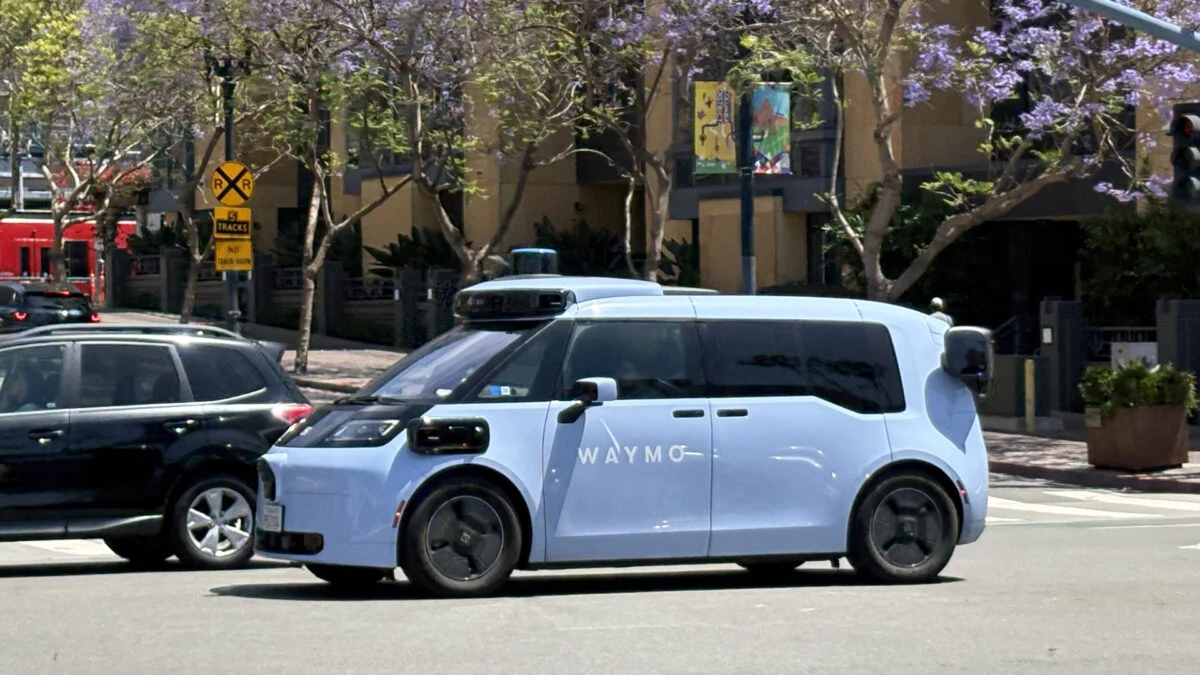
Waymo, Alphabet's pioneering robotaxi service, is poised at a critical juncture in its ambitious quest for nationwide dominance. With a newly unveiled 'Premier' subscription plan and an aggressive national advertising campaign, the company signals a dual strategy: deepen engagement with its existing user base while simultaneously building broader brand awareness and trust across the United States. This multifaceted approach suggests a sophisticated evolution in Waymo's commercialization strategy, moving beyond a singular focus on technological perfection to address the complex market realities of public perception, regulatory hurdles, and, crucially, sustained profitability.
For years, the prevailing wisdom surrounding autonomous vehicles (AVs) held that the primary, if not sole, barrier to widespread adoption was technological maturity. The narrative often centered on the race to achieve "Level 5" autonomy, where vehicles could operate without human intervention in all conditions. Companies like Waymo were seen as engineering marvels, meticulously developing and testing their self-driving systems, with the implicit assumption that once the technology was undeniably safe and reliable, the market would naturally follow. In this view, profitability would stem from the sheer scale of operations, with advanced tech enabling superior service at a competitive cost. Waymo's rigorous testing protocols, its confined operational design domains, and its claims of a system "10 times safer than a human driver" in its operating cities, all reinforce this conventional focus on technological superiority as the ultimate differentiator.
However, recent moves by Waymo challenge this singular tech-first perspective, suggesting a more nuanced understanding of the path to market leadership. The introduction of Waymo Premier, an invite-only membership program for select riders in San Francisco, Los Angeles, and Phoenix, represents a significant pivot. Priced at $29.99 a month, Premier offers perks like priority pickups, 10% Waymo Cash back on every trip, early access to Waymo in new cities, and up to five free cancellations monthly. While presented as an "elevated experience" for loyal customers, this subscription model is far more than a mere amenity; it is a strategic step towards building a recurring revenue stream and fostering customer loyalty in a capital-intensive industry grappling with significant losses.
Alphabet’s 'Other Bets' segment, which encompasses Waymo, reported a $2.1 billion operating loss in the first quarter, despite generating $411 million in revenue. These figures underscore the immense investment required to develop and scale autonomous technology. In this context, the Premier subscription is not just about enhancing rider experience; it is a pragmatic move to improve Average Revenue Per User (ARPU) and customer Lifetime Value (LTV). By securing a predictable monthly income from its most engaged users, Waymo can partially offset its substantial operational costs and demonstrate a clearer path to monetization for investors. This strategy mirrors a broader trend in the tech and transportation sectors, where subscription models have become a vital tool for stable revenue generation and customer retention. Uber One, for instance, has successfully amassed 50 million members who drive half of Uber's gross bookings, illustrating the potent financial impact of such programs.
The timing of Premier's launch alongside Waymo's aggressive expansion plans further highlights this strategic shift. The company recently announced its service area would soon encompass over 1,400 square miles across 11 cities, exceeding the size of Rhode Island, with international expansion to London and Tokyo also on the horizon. To support this growth, Waymo is scaling production at its Phoenix-area factory to tens of thousands of vehicles annually and has acquired a 5,500-acre proving ground in Arizona, formerly used by Apple for its canceled self-driving car project. These investments signal a commitment to rapid scaling, but scaling without a robust business model is unsustainable. The Premier plan, therefore, acts as a financial anchor, seeking to maximize revenue from the most valuable customer segments as the physical footprint expands.
Moreover, the national advertising campaign, set to debut during a high-profile FIFA World Cup match, indicates a concerted effort to shape public perception and build brand trust ahead of wider deployment. The campaign's focus on safety – portraying the Waymo Driver as a tireless, infallible alternative to human drivers – directly addresses a major non-technical hurdle for AV adoption: public skepticism and fear. High-profile incidents involving other autonomous vehicle operators have underscored the fragility of public trust, making a proactive messaging strategy crucial. By pre-positioning Waymo as the safer alternative, even in cities where its cars are not yet permitted, the company is laying essential groundwork for future regulatory approvals and market acceptance. This approach acknowledges that even perfect technology will falter without public confidence and a clear value proposition.
Waymo’s pivot from pure engineering to aggressive monetization signals the official end of the autonomous vehicle "hype cycle." For years, AV startups operated as well-funded research labs, assuming technical perfection would automatically unlock profitability. By introducing a subscription model alongside massive infrastructure expansion, Alphabet is acknowledging a brutal market reality: scaling hardware is a capital-intensive nightmare. Waymo is wisely taking a page from the SaaS playbook, leveraging predictable recurring revenue (ARPU/LTV) to offset massive operational losses. Winning the AV race is no longer just about building the smartest driver; it’s about surviving the financial runway to mass adoption.
What strikes me here is the pragmatic evolution of Waymo's strategy. While the company still champions its technological prowess, it is increasingly operating like a mature enterprise focused on sustainable growth rather than just a research and development project. The Premier subscription, despite its invite-only, limited rollout, is a crucial experiment in price sensitivity and feature packaging within the AV market. It allows Waymo to test the waters for premium services and loyalty programs, gathering valuable data on what customers are willing to pay for beyond basic transportation. This gradual, data-driven approach to commercialization stands in contrast to some competitors who have pushed for broader, less-controlled rollouts, sometimes leading to public backlash and regulatory scrutiny. By focusing on its most loyal riders first, Waymo can refine its offering before a wider launch, mitigating risks and optimizing its revenue potential.
The broader market context reveals a clear trend towards hybrid business models in the autonomous vehicle space. While the long-term vision remains mobility-as-a-service, the immediate financial pressures and the protracted timeline for full autonomy necessitate diverse revenue streams. Waymo’s Premier plan is not an isolated development but rather a symptom of an industry maturing beyond its initial hype cycle. It signals a recognition that technology alone, no matter how advanced, cannot guarantee commercial success. Regulatory bodies, public sentiment, and a compelling economic model are equally vital components. The challenge of scaling AVs beyond specific geofenced areas, combined with the intense capital expenditure, means that every potential revenue stream and every effort to build brand equity becomes critical. The subscription model offers a form of financial stability that can help bridge the gap between heavy investment and future mass adoption.
The acquisition of the Arizona proving ground further illustrates this comprehensive approach. While public road testing is essential, a dedicated, controlled environment allows for accelerated development and testing of edge cases that might be too risky or impractical to conduct on public streets. This infrastructure investment, combined with the scaling of vehicle production, underscores the massive operational footprint Waymo is building. The Premier subscription, therefore, can be viewed as an attempt to financially fortify this expansive and expensive operational base, extracting more value from early adopters who are willing to pay for an enhanced, reliable experience.
In conclusion, Waymo's rollout of its Premier subscription and its national advertising push signify a pivotal shift in its strategy. The conventional wisdom that technological superiority alone would pave the way for mass adoption is being augmented, if not challenged, by a robust commercial strategy. This approach acknowledges the persistent financial losses within Alphabet’s 'Other Bets' and the critical need for recurring revenue streams and strong customer loyalty. By simultaneously cultivating a premium, committed user base and broadcasting its safety message nationwide, Waymo is attempting to de-risk its ambitious expansion, navigating the complex interplay of technology, business model innovation, and public trust. The ultimate success of robotaxis in the United States will hinge not just on their ability to drive themselves, but on their ability to build a sustainable, profitable business that earns the sustained confidence of regulators and the public alike.
Frequently asked questions
What is Waymo Premier and who can join?
Waymo Premier is an invite-only subscription program initially offered to select loyal riders in San Francisco, Los Angeles, and Phoenix. It provides perks such as priority pickups, 10% Waymo Cash back, and early access to new cities.
How much does Waymo Premier cost and what benefits does it offer?
The Waymo Premier program costs $29.99 a month. Members receive priority pickups, 10% Waymo Cash back on every trip, early access to Waymo in new cities, and up to five free cancellations a month.
Which cities is Waymo expanding into?
Waymo is rapidly expanding its service area, which will soon cover over 1,400 square miles across 11 cities in the US. The company also has plans for international expansion, starting with London and Tokyo.
Is Waymo launching a national advertising campaign?
Yes, Waymo is planning to air its first national ad campaign during the FIFA World Cup. The campaign will focus on the safety of its self-driving platform, claiming its driver system is 10 times safer than a human driver.
How does Waymo Premier compare to other ride-hailing subscriptions like Uber One?
Waymo Premier, priced at $29.99 a month, offers perks like priority pickups and cashback. Uber One costs $9.99 a month and has reached 50 million members, driving significant gross bookings for Uber across rides and food delivery.
What are Waymo's plans for its robotaxi fleet and production?
Waymo plans to expand production at its Phoenix-area factory to tens of thousands of vehicles per year. The company also recently acquired a 5,500-acre proving ground in Arizona to support its scaling efforts.