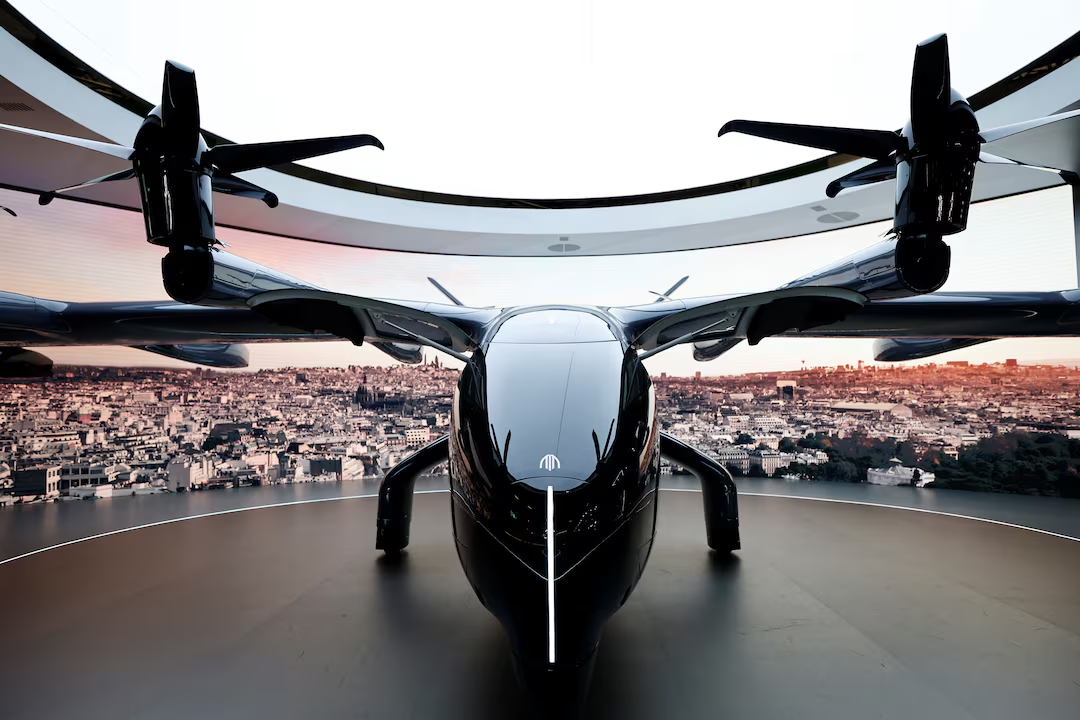
The US is fast-tracking air taxis and supersonic jets, promising to transform your daily commute and revolutionize future travel options.
The US is Pushing to Fast-Track Air Taxis and Supersonic Jets — Here's Why Your Future Commute Could Be Very Different
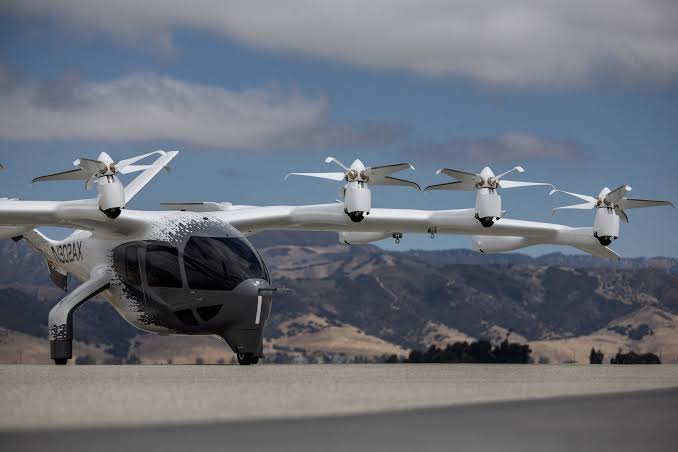
The United States government is actively working to accelerate the development and deployment of advanced air mobility (AAM) technologies, which include electric vertical takeoff and landing (eVTOL) aircraft, often called air taxis, and next-generation supersonic passenger jets. This ambitious push aims to fundamentally transform how people and goods move, promising faster, more efficient, and potentially more sustainable travel options for regular citizens. It marks a significant governmental commitment to reshaping the future of transportation across both short urban distances and long-haul international routes. Here's what happened: Federal agencies like the FAA, NASA, and the Department of Transportation are collaborating with industry leaders to streamline regulatory processes, invest in critical infrastructure, and overcome the technical hurdles that have historically slowed the adoption of such revolutionary technologies. This coordinated effort signals a serious intent to make these futuristic modes of transport a reality much sooner than many might expect. The goal is to establish the U.S. as a global leader in an emerging aerospace sector projected to be worth trillions. Companies like Joby Aviation and Archer Aviation are leading the charge in the eVTOL space, developing aircraft designed for urban and regional travel, capable of taking off and landing vertically without a traditional runway. These aircraft promise to alleviate urban congestion by offering a new dimension of mobility. On the supersonic front, Boom Supersonic is making strides with its Overture jet, aiming to reintroduce commercial supersonic travel that ended with the Concorde, but with vastly improved fuel efficiency and reduced noise. The current regulatory landscape, primarily overseen by the Federal Aviation Administration (FAA), is built around conventional fixed-wing aircraft and helicopters, posing unique challenges for novel designs like eVTOLs. Certifying these new aircraft for commercial operation, integrating them safely into existing air traffic control systems, and ensuring public acceptance regarding noise and safety are paramount. NASA’s role involves extensive research into air traffic management systems specifically tailored for the high-density operations envisioned for urban air mobility. The Department of Transportation, meanwhile, is looking at the broader infrastructure implications, including the development of "vertiports" – dedicated landing and charging stations for eVTOLs – and ensuring connectivity with existing ground transportation networks. This holistic approach from the government indicates an understanding that the success of these technologies depends on more than just the aircraft itself; it requires a complete ecosystem. It’s a complex undertaking that combines cutting-edge engineering with robust regulatory foresight.
Why the US is Betting Big on Aerial Innovation
The strategic importance behind this accelerated timeline is multi-faceted, extending beyond mere convenience. For one, it's about global competitiveness; countries like China and those in Europe are also heavily investing in advanced aviation, and the US aims to maintain its historical leadership in aerospace innovation. This push directly supports high-tech job creation, fosters advanced manufacturing within the US, and positions American companies at the forefront of a rapidly expanding global market. My read on this situation is that the US government views this not just as a transportation upgrade, but as a critical component of future economic growth and national security. There's a significant environmental dimension to this as well, particularly with eVTOL aircraft. Many of these vehicles are designed to be fully electric, offering a zero-emission alternative for short-to-medium distance travel, aligning with broader decarbonization goals. While supersonic travel has faced historical criticism for its environmental impact, new designs are incorporating sustainable aviation fuels (SAFs) and more efficient engine technologies to drastically reduce their carbon footprint. This dual-track approach addresses different market needs while pushing the envelope on sustainable aviation. The market potential is staggering, with various analyses projecting the AAM market alone to reach hundreds of billions, possibly even trillions, of dollars within the next two decades. This attracts substantial private investment, but governmental support provides the necessary stability and regulatory clarity for these nascent industries to truly take flight. It’s worth understanding why this isn't just a niche play; it's a foundational shift that could redefine urban planning and intercontinental travel.
What This Means for Your Future Travel
For the everyday traveler, the implications of these developments are profound, albeit still several years away for widespread adoption. Imagine commuting across a major city in minutes, bypassing gridlock entirely, or crossing oceans in half the time it currently takes. While initial costs for air taxi services are expected to be premium, akin to luxury ride-sharing, the long-term vision involves making them increasingly affordable and accessible as technology scales and operational efficiencies improve. This would democratize rapid air travel in ways previously unimaginable, creating new hubs of connectivity. The integration of air taxis into urban environments will necessitate the careful planning and construction of vertiports, which will need to be strategically located for convenience while minimizing noise and visual impact on communities. This isn't just about aircraft; it's about designing a new layer of urban infrastructure that seamlessly connects with existing public transit and road networks. The success of this integration hinges on close collaboration between technology developers, urban planners, and local communities, ensuring that these new modes of transport enhance, rather than disrupt, daily life. On the supersonic front, the reintroduction of commercial flights promises to shrink the world, allowing for business meetings in distant time zones to become single-day affairs, and opening up new possibilities for tourism and global commerce. The focus is on making these flights not just fast, but also comfortable, quiet (from a passenger perspective), and environmentally responsible through innovations like low-boom technology and SAFs. This could reshape global business travel and cultural exchange. The path to widespread adoption is not without its hurdles. Public acceptance, driven heavily by perceived and actual safety, remains paramount. The FAA's rigorous certification processes are designed to ensure these vehicles meet the highest safety standards, which is a non-negotiable for public trust and commercial viability. This involves extensive testing, robust data analysis, and iterative design improvements before these aircraft can carry passengers routinely. It’s a testament to the aerospace industry’s commitment to safety that these new technologies are undergoing such intense scrutiny. Ultimately, the US government's initiative to fast-track air taxis and supersonic planes is more than just an investment in new vehicles; it's a strategic move to secure leadership in the next generation of transportation. It reflects a belief that these technologies can address pressing challenges from urban congestion and environmental impact to global connectivity and economic growth. While the skies won't be teeming with air taxis and supersonic jets overnight, this concerted effort lays the groundwork for a future where our relationship with travel is fundamentally reimagined. The journey will be complex, but the potential rewards in terms of efficiency, sustainability, and human connection are immense.
Frequently asked questions
What is the US doing to accelerate air travel technology?
The US government is actively pushing to fast-track the development and deployment of advanced air mobility (AAM) technologies, including air taxis (eVTOLs) and next-generation supersonic passenger jets, to revolutionize future transportation.
What are air taxis?
Air taxis are electric vertical takeoff and landing (eVTOL) aircraft designed for short-distance passenger transport, offering an alternative to traditional ground-based commutes.
When will air taxis be available?
While the US is speeding up development, widespread commercial availability of air taxis for public use is still several years away, with initial rollouts expected in the late 2020s or early 2030s.
What are supersonic passenger jets?
Supersonic passenger jets are aircraft designed to fly faster than the speed of sound, aiming to drastically reduce long-distance international travel times.
How will these technologies change commutes?
These technologies could significantly change commutes by offering faster, potentially more direct travel options, reducing reliance on congested road networks and expanding urban and regional mobility.
What is advanced air mobility (AAM)?
Advanced Air Mobility (AAM) is an aviation concept that encompasses the development of new air transportation systems, including eVTOL aircraft and other innovative technologies, for moving people and cargo.